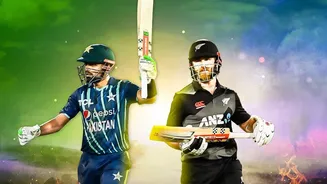

Beyond the Scorecard
Cricket has always been a game of numbers: runs, wickets, averages, and strike rates. But the modern era of player analysis goes far deeper than the traditional scorecard. We have moved from simply recording 'what' happened to understanding 'how' and 'why'
it happened. This shift is powered by an explosion of data collection technologies that capture thousands of data points per match. Ball-tracking systems like Hawk-Eye, originally for umpiring, now provide a wealth of information on a bowler's release point, speed, swing, and spin. Every aspect of the ball's journey is recorded and analyzed. This granular data forms the foundation upon which AI builds its insights, offering a more detailed picture of player performance than ever before. It's the difference between knowing a batsman was dismissed and knowing they have a 70% chance of getting out to an in-swinging delivery in the first ten overs.
The Tools of a New Trade
A new generation of hardware is at the heart of this data-driven approach. Smart balls with embedded microchips can transmit real-time data on speed, spin, and seam position from the moment the ball is delivered. Similarly, smart bats with sensors in the handle can track bat speed, swing trajectory, and the angle of impact. Beyond the equipment, players themselves are often fitted with wearable sensors that monitor everything from heart rate and workload to movement patterns and fatigue levels. These tools work in unison, feeding a constant stream of information to AI platforms. Systems like Hawk-Eye and other computer vision technologies use multiple high-speed cameras to track every movement on the field, creating a three-dimensional model of the game. This isn't just for broadcasting; it's the raw material for deep strategic analysis.
Turning Data into Decisions
Collecting data is one thing; making it useful is another. This is where AI and machine learning algorithms excel. Coaches and analysts now use sophisticated dashboards that translate billions of data points into actionable insights. For example, an AI model can analyze a batsman's historical performance and reveal a specific weakness against left-arm spinners bowling over the wicket. Armed with this knowledge, a team can develop a tailored bowling strategy for that specific player. During live matches, AI can run simulations to recommend optimal field placements or suggest the best time for a powerplay. This allows teams to adapt their tactics in real time based on evolving match conditions and opponent behavior. It’s a level of strategic depth that moves beyond intuition alone, grounding captaincy decisions in hard data.
Scouting and Developing Future Stars
AI's influence extends far beyond the professional circuit. It is fundamentally changing how talent is identified and nurtured. Scouting is no longer just about watching a few highlight reels. Franchises in leagues like the IPL are using AI to sift through performance data from domestic leagues around the world, identifying undervalued players or rising stars that human scouts might have missed. For aspiring cricketers, AI-powered coaching apps are democratizing access to elite-level training. A young player can use their smartphone camera to record their batting stance or bowling action, and an AI system can provide instant feedback, comparing their technique to professional benchmarks and suggesting specific drills for improvement. This personalized approach also extends to injury prevention, with AI models analyzing biomechanical data to flag potential overuse or flawed movements before they lead to serious issues.