



The Golden Spice: Turmeric (Haldi)
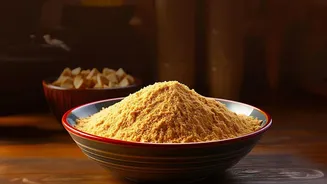
A staple in every Indian kitchen, turmeric is a powerhouse of medicinal properties. Its active compound, curcumin, has potent anti-inflammatory and antioxidant effects that are crucial for a strong immune system. During the monsoon, when the risk of infection
is high, incorporating turmeric into your daily cooking can help your immune cells fight off harmful pathogens. For maximum benefit, Ayurveda suggests pairing it with a pinch of black pepper to enhance curcumin's absorption. A warm glass of 'haldi doodh' before bed is a timeless remedy to keep seasonal illnesses at bay.
The Warming Root: Ginger (Adrak)
Ginger is another kitchen essential renowned for its health benefits, especially during the rainy season. It contains gingerol, a compound with powerful anti-inflammatory and antioxidant properties. Ginger is particularly effective in soothing sore throats and combating respiratory infections, which are common during this time. It also aids digestion, which can become sluggish in the humid weather. Starting your day with a cup of hot ginger tea (adrak chai) is a simple and effective way to warm up your body and boost your defences.
The Pungent Powerhouse: Garlic (Lehsun)
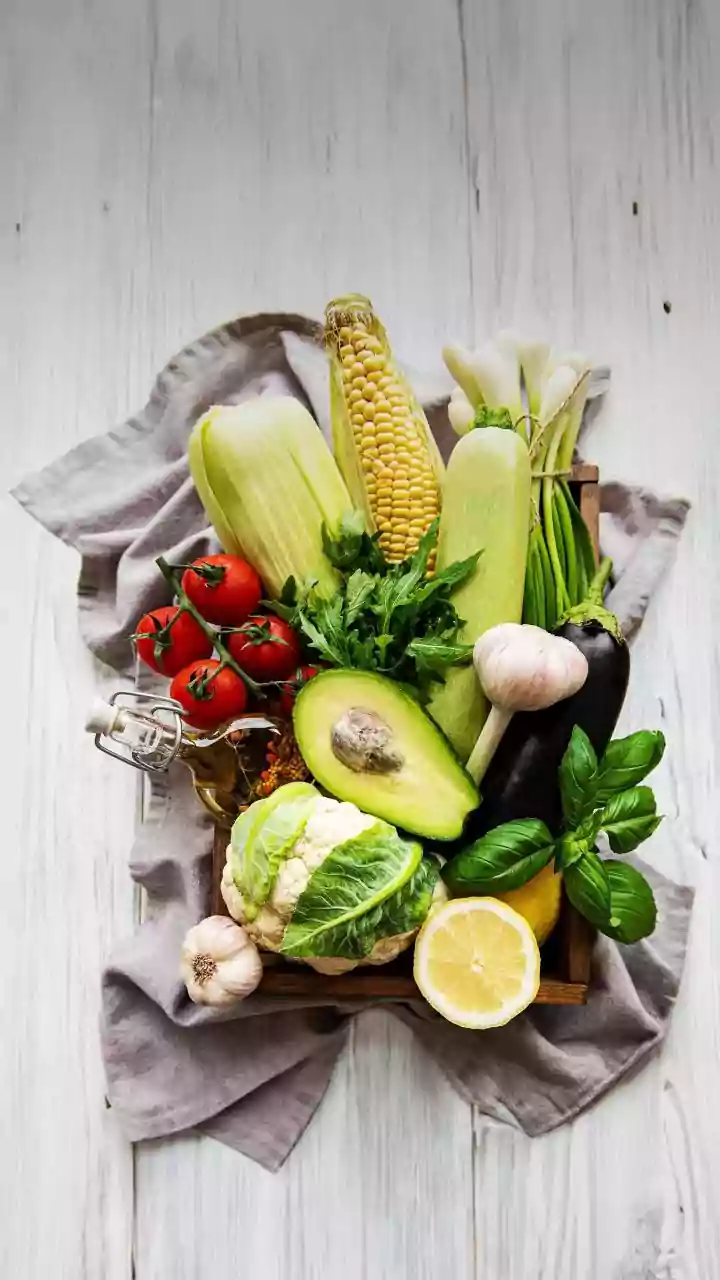
Valued as nature's antibiotic, garlic is a formidable ally for your immune system. When crushed or chopped, it releases a compound called allicin, which has strong antibacterial and antiviral properties. Regular consumption of garlic can enhance the activity of white blood cells, helping them combat viruses like the common cold and flu. Its ability to fight off harmful pathogens makes it an excellent addition to your monsoon diet to help protect against common waterborne illnesses.
The Gut Guardian: Yogurt (Dahi)
A healthy gut is the foundation of a strong immune system, as a significant portion of your immune cells reside there. Yogurt, or dahi, is a fantastic source of probiotics—beneficial live bacteria that support gut health. These good bacteria help maintain a healthy digestive system and protect against pathogens. Including a bowl of homemade curd in your daily meals is a simple yet powerful way to strengthen your body's natural defences. Spiced buttermilk (chaas) is another excellent way to reap these probiotic benefits.
The Vitamin C Champions: Seasonal Fruits
The monsoon brings an abundance of fruits rich in Vitamin C, a crucial nutrient for a robust immune system. Vitamin C helps increase the production of white blood cells, which are the body's primary line of defence against infection. Look for seasonal delights like pomegranates, papayas, apples, and pears. Pomegranates are packed with antioxidants, while papayas contain enzymes that aid digestion. Including a variety of these fresh, seasonal fruits in your diet provides essential vitamins and minerals that keep you energised and protected.
The Green Protectors: Leafy Vegetables
While you should be cautious about raw vegetables during the monsoon, properly washed and cooked leafy greens are incredibly beneficial. Vegetables like spinach are loaded with antioxidants and beta-carotene, which can increase the infection-fighting ability of our immune systems. Other good choices that are light and easy to digest include bottle gourd (lauki) and bitter gourd (karela). These vegetables provide essential vitamins and minerals that protect your cells and support overall health.
The Nutrient-Dense Nibbles: Nuts and Seeds
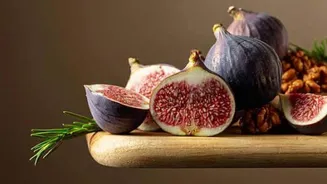
For a crunchy, nutrient-packed snack, turn to nuts and seeds. Almonds, in particular, are rich in Vitamin E, a fat-soluble antioxidant that is key to a healthy immune system. Nuts and seeds also provide healthy fats, protein, and other antioxidants that help maintain energy levels and strengthen the body’s natural defences. A small handful of almonds, walnuts, or pumpkin seeds each day is an easy way to repair cells and support your immune response during the challenging monsoon months.