



The Forest, Reborn and Reimagined
Conventional wisdom dictates that wildlife safaris are best planned for the dry winter or scorching summer months, when water sources are scarce and animals congregate obligingly for tourists. But this overlooks the subcontinent’s most dramatic seasonal
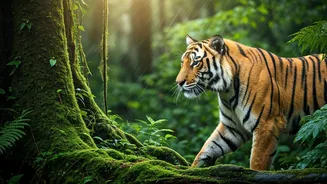
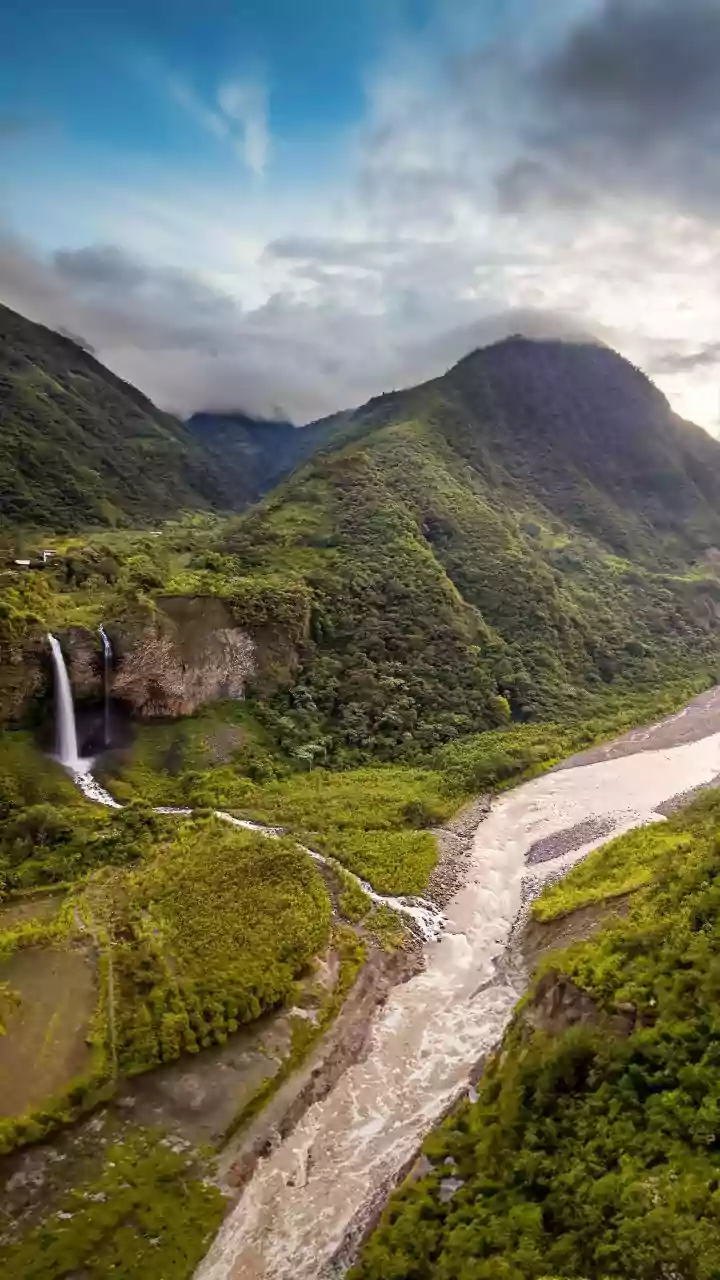
transformation. The monsoon doesn’t close the forest down; it awakens it. The first rains wash away months of dust, unleashing the scent of petrichor and painting the landscape in a thousand shades of emerald. The forest floor becomes a carpet of new growth, trees drip with moisture, and the air hums with the chorus of insects and frogs. This isn't just a safari; it's a full-sensory immersion into a world reborn.
Debunking the 'Off-Season' Myth
A common misconception is that all national parks shut down completely from June to October. While it's true that the core zones of many famous tiger reserves—like Kanha, Bandhavgarh, and Ranthambore—close due to inaccessible muddy tracks, the adventure doesn't stop. Many parks keep their buffer zones open, which are teeming with life. Furthermore, several national parks and sanctuaries across the country remain fully or partially accessible, offering a unique and less crowded experience. These safaris provide a chance to see the jungle's ecosystem in its most robust and dynamic state, far from the madding crowds of peak season.
Where to Find Your Monsoon Adventure
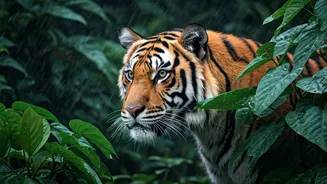
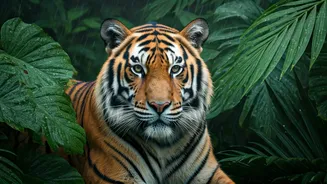
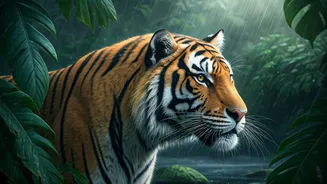
Several destinations welcome the intrepid traveller during the rains. The buffer zones of Tadoba-Andhari Tiger Reserve in Maharashtra offer excellent chances of sighting tigers who often use the safari tracks for easier passage through the dense vegetation. In Uttarakhand, the Jhirna and Dhela zones of Jim Corbett National Park remain open year-round. Down south, Periyar Tiger Reserve in Kerala offers a completely different experience with its famous boat safaris on the lake, where you can watch herds of elephants bathing against a backdrop of misty hills. Similarly, parks in the Western Ghats, like Bhadra Wildlife Sanctuary in Karnataka, become a haven for birdwatchers and macro photographers.
A Different Cast of Characters
While spotting a big cat in the dense, rain-fed foliage can be more challenging, a monsoon safari shifts the focus to the entire ecosystem. This is the prime time for birding, as resident species are in their breeding plumage and often more active. It's a festival for herpetologists, with countless species of frogs, snakes, and lizards making an appearance. Herbivores like deer and gaur are in their element, feasting on the abundant fresh grass. You might see a peacock dancing in the rain, its feathers iridescent against the grey sky, or witness a pack of wild dogs (dholes) on the move. It teaches you to appreciate the forest for all its inhabitants, not just the apex predators.
A Photographer’s Dream
For photographers, the monsoon offers unparalleled opportunities. The harsh sunlight of summer is replaced by a soft, diffused light that makes colours pop and eliminates sharp shadows. The dramatic, overcast skies create a moody and atmospheric backdrop for your subjects. Every leaf glistens with raindrops, creating natural jewels that are perfect for macro shots. The vibrant greens of the foliage contrast beautifully with the earthy tones of the animals. It’s a chance to capture not just a portrait of an animal, but the very soul and atmosphere of the jungle in its most verdant state.
Essential Tips for the Rainy Trail
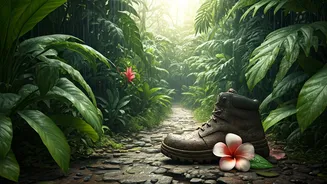
A monsoon safari requires a little extra preparation. Pack lightweight, quick-drying clothes in earthy colours. A reliable raincoat and waterproof protection for your camera and binoculars are non-negotiable. Good waterproof trekking shoes with a strong grip are essential for potentially slushy trails. Be prepared for leeches in some areas; leech socks or simple precautions like applying sanitiser can help. Most importantly, embrace the conditions. A bit of rain and mud is part of the adventure. The reward is a raw, unfiltered, and deeply beautiful encounter with nature.