

Life at High Altitude
Living at elevations over 11,000 feet poses unique physiological challenges. The reduced oxygen levels can slow down bodily functions, including digestion, often leading to discomfort and loss of appetite. Studies have shown that a significant number
of people visiting high-altitude areas experience gastrointestinal symptoms. To counteract this, Ladakhi culture developed a sophisticated culinary and beverage tradition designed to provide warmth, energy, and digestive support using locally available ingredients. These practices are not just about taste, but about survival and well-being in a harsh environment. Simple, warm, and high-carbohydrate meals are recommended, and this philosophy extends to their traditional drinks.
Gur-Gur Chai: The Quintessential Brew
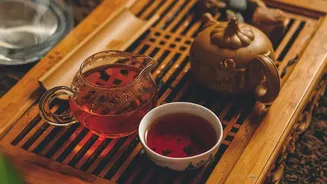
No discussion of Ladakhi drinks is complete without mentioning Gur-Gur Chai, or butter tea. An iconic beverage across the Himalayas, it is a rich, savoury, and warming concoction made from tea leaves, salt, and traditionally, yak butter. The ingredients are churned vigorously in a cylindrical wooden mixer, creating a creamy, soup-like consistency. This brew is perfectly adapted for the climate. The fat from the butter provides a much-needed source of high-calorie energy to combat the cold. The salt helps the body retain water and replenish electrolytes, a crucial function in the dry mountain air. For many locals, it's a staple for starting the day, offering warmth and a gentle boost to the digestive system.
Chhang: The Himalayan Barley Beer
Chhang is a mildly alcoholic fermented beverage, often called the 'beer of the Himalayas'. It is traditionally brewed from barley, a staple grain that thrives in Ladakh's climate. This cloudy, slightly sour drink plays a central role in social and cultural life, served during festivals, weddings, and community gatherings. While it is an alcoholic beverage, it is also traditionally considered a warming and digestive drink. The fermentation process introduces beneficial microbes, and when consumed in moderation, it is believed to aid gut health. A subtler, distilled version of Chhang is known as Arak, which is made for those who prefer a less strong flavour.
The Power of Wild Herbs
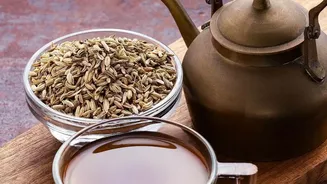
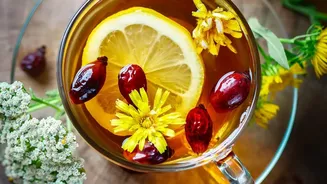
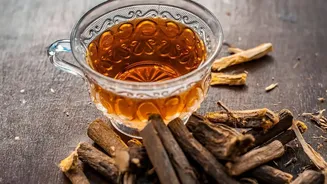
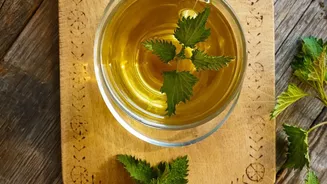
Beyond the staple drinks, Ladakh's true medicinal power lies in its wild herbs, which are often infused into teas and other brews. The extreme conditions force these plants to produce high levels of potent protective compounds like antioxidants and flavonoids. One of the most celebrated is sea buckthorn, a bright orange berry locally known as 'Leh berry' or 'wonder berry'. Traditionally used in Amchi medicine, sea buckthorn is packed with vitamins and Omega fatty acids and is known to support digestion and prevent discomfort. Other herbs like wild mint (pholo), stinging nettle (zatsot), and wild caraway (kosnyot) are also brewed into herbal teas, each with a history of use for cleansing the body, boosting immunity, and aiding digestion.