



A New Era of Stargazing
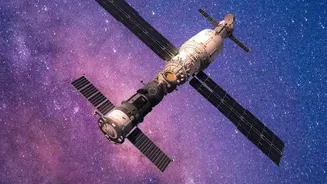
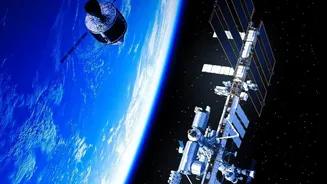
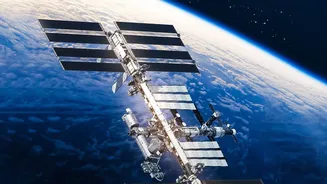
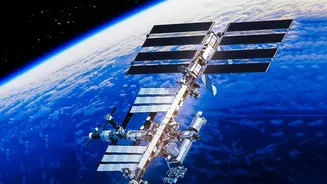
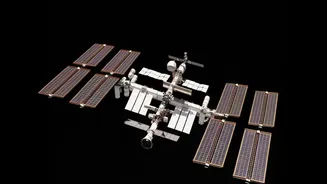
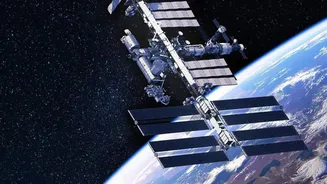
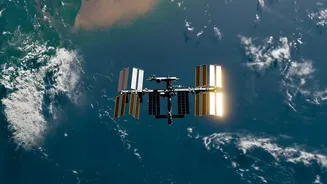
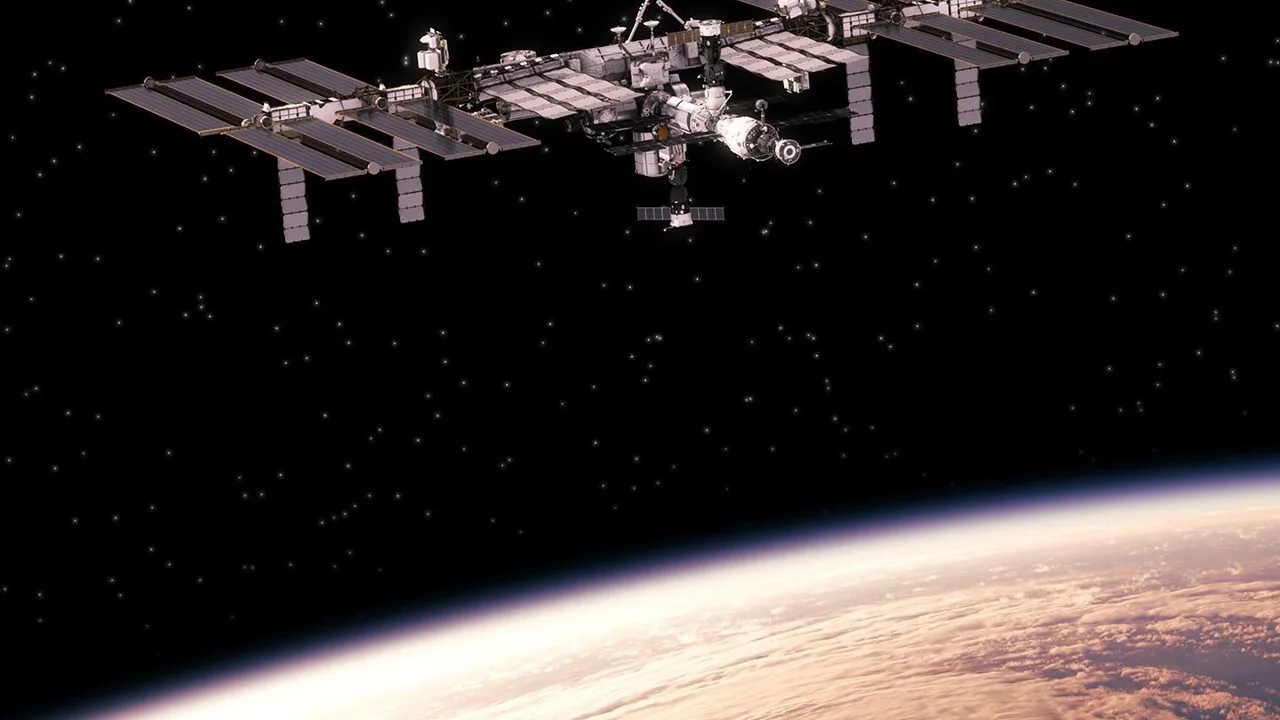
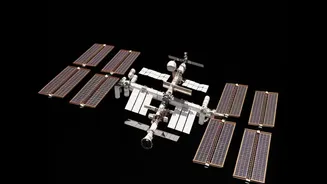
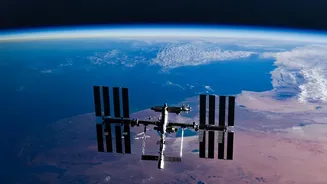
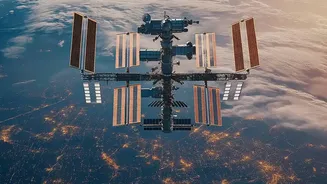
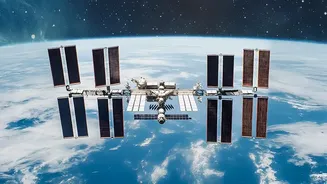
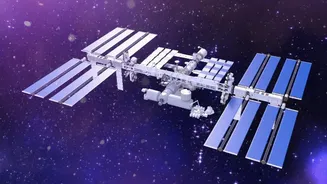
Spotting the International Space Station (ISS) as it glides across the sky is a breathtaking experience. It appears as a very bright, steady point of light moving faster than an airplane. For a few minutes, you can watch a football-field-sized habitat
with astronauts on board, orbiting Earth at over 28,000 kilometres per hour. In the past, knowing when it would pass over your specific location required consulting complex charts. Today, thanks to the GPS and processing power in your pocket, a new generation of skywatching apps does all the heavy lifting for you. These applications can pinpoint your location and provide precise predictions for ISS passes and other visible satellites. Many even use augmented reality (AR) to overlay information directly onto your camera's view, guiding you to the exact spot in the sky.
NASA's Spot The Station: The Official Guide
For those specifically interested in the ISS, NASA offers its own free and official app called 'Spot The Station'. It’s designed to be simple and focused. The app provides a list of upcoming sighting opportunities for your location, complete with data on how long the pass will last and how bright it will be. Its best feature is the reliable notification system that alerts you minutes before a visible pass is about to begin. The app also includes an augmented reality view that uses your phone's camera to show you the station's trajectory across the sky, taking the guesswork out of where to look. Beyond tracking, it offers news and facts about the current mission and the astronauts on board.
SkyView Lite: The All-in-One Planetarium
If you want to identify more than just satellites, SkyView Lite is an excellent all-rounder. This app turns your phone into an AR window to the cosmos, identifying stars, constellations, planets, and satellites simply by pointing your device at the sky. It’s incredibly intuitive for beginners and works day or night. While its main draw is star and constellation identification, it also tracks major satellites like the ISS and the Hubble Space Telescope. The free version, SkyView Lite, is robust and ad-free, offering a fantastic experience without needing to pay for upgrades. For casual observers who are curious about everything above them, not just the man-made objects, this is a perfect starting point.
Heavens-Above: For the Dedicated Observer
For enthusiasts who want more detail, the Heavens-Above app is a powerhouse. While its interface is more data-driven than graphical, it provides highly accurate and detailed pass predictions for a vast catalogue of satellites, not just the ISS. You can look up Starlink satellite trains, amateur radio satellites, and even find the location of bright comets. A key feature is that it performs calculations locally on your phone, so you only need an internet connection every few days to update orbital data. The app tells you the start time, highest point, end time, and brightness for each pass, giving you a complete script for your viewing session. It's the go-to choice for those who want to move beyond casual spotting into more dedicated satellite tracking.
Tips for the Best Viewing Experience
Once you have your app, a few simple tips can make your satellite spotting a success. First, check the pass predictions for a high-elevation pass (closer to 90 degrees is better) as these are longer and brighter. Second, check your local weather; clouds are the ultimate spoiler. Head out a few minutes early to a spot with a clear view of the horizon, preferably away from bright city lights. Give your eyes a moment to adjust to the darkness. Finally, know the direction in which the satellite will appear. The ISS and other satellites become visible because they are high enough to reflect sunlight, even when it's dark on the ground. They often disappear abruptly as they enter Earth's shadow, which is a fascinating sight in itself.