


The Great Grain Revival
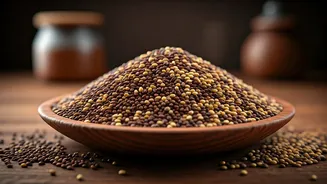
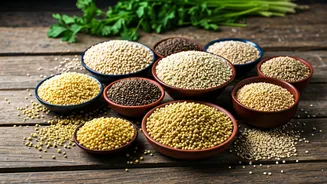
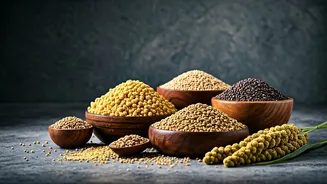
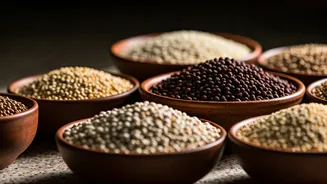
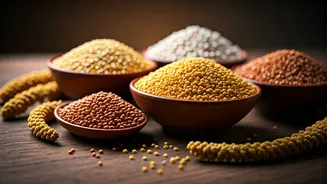
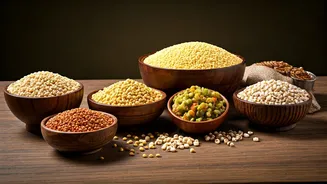
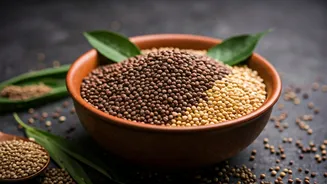
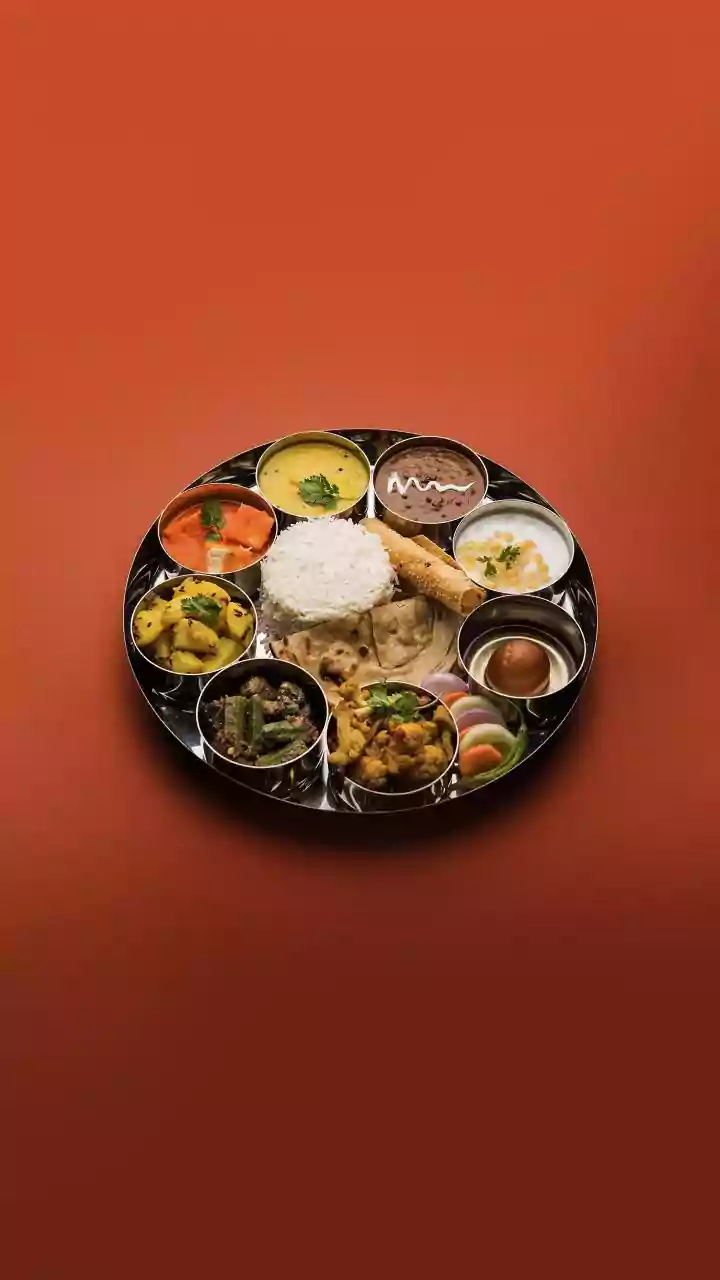
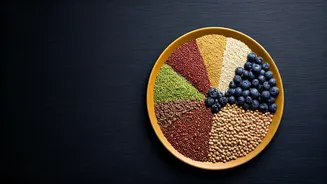
For decades, wheat and rice dominated the Indian thali. But now, ancient grains are making a remarkable comeback. Millets like ragi, jowar, and bajra, once considered humble foods, are now celebrated as superfoods. [7, 18] Thanks to a major push from
the government, which promoted 2023 as the 'International Year of Millets', and a growing awareness of their health benefits, these grains are finding a place on urban tables. [7, 19] They are gluten-free, high in protein and fibre, and require less water to grow, making them both a healthy and sustainable choice. [18] Projects like the Millet Revival Project are helping to connect farmers with consumers and reintroduce these versatile grains through engaging recipes and stories. [4] This isn't just about nostalgia; it’s a conscious shift towards diversifying our plates and embracing indigenous nutrition. [12]
Beyond the Masala Dabba
The traditional spice box, or masala dabba, remains the heart of the kitchen, but it's getting new neighbours. Globalisation has brought a world of flavours to our doorsteps. Ingredients once considered exotic, like Kashmiri chili, amchur (dried mango powder), and kasuri methi (dried fenugreek leaves), are becoming more common. [3, 29, 40] Alongside them, you'll now find chia seeds, flax seeds, and moringa powder, as health consciousness drives consumers to incorporate 'functional foods' into their diets. [2, 26] There's also a growing curiosity for regional Indian cuisines, with unique spices from Kerala, Goa, and Nagaland gaining popularity. [2] This new, expanded spice rack reflects a confident Indian consumer who is rooted in tradition but eager to experiment. [11]
The Plant-Based Push
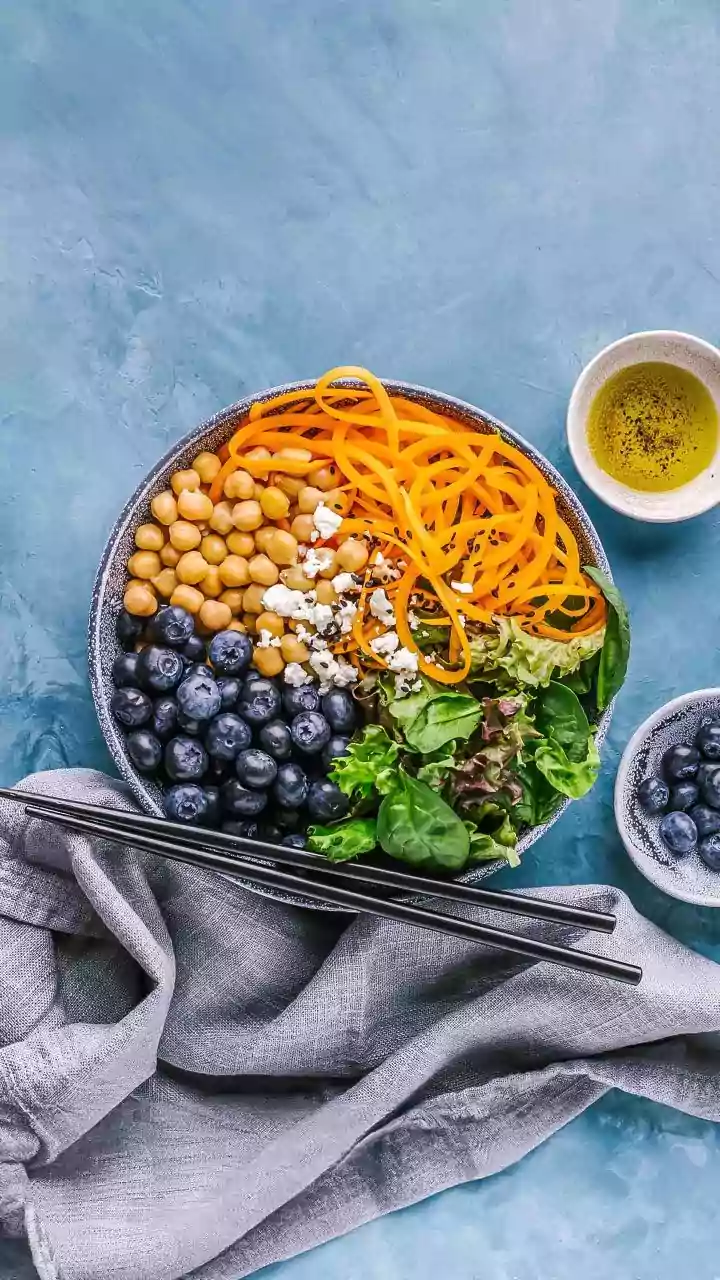
While India has a large vegetarian population, the conversation is now shifting towards plant-based diets for reasons of health, ethics, and environmental sustainability. [13, 25] The market for plant-based milks and meat alternatives is projected to grow significantly by 2030. [5] Driven by health-conscious millennials and Gen Z, products like almond milk, soy milk, and mock meats are moving from niche health stores to mainstream supermarkets. [8, 13] This trend is not just about imitating Western habits; chefs are using Indian culinary logic to give plant-forward ingredients like jackfruit, lotus stem, and lentils centre-plate respect. [10] Plant-based dairy appears to be the strongest entry point, with nearly half of Indian households familiar with it. [8]
Technology in the Tadka
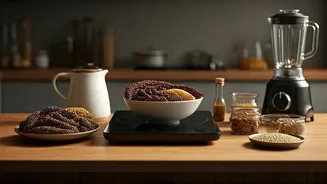
The upgrade isn't just about ingredients; it's also about the tools we use. Smart kitchen appliances are making Indian cooking faster, healthier, and more convenient. [17, 30] Air fryers, for instance, are becoming popular for making traditionally deep-fried snacks with less oil. [33] Instant Pots and other multi-cookers simplify the process of making dals and curries, while high-speed blenders and food processors cut down on prep time. [31, 32] As kitchens become more integrated into the smart home ecosystem, AI-driven cooking assistance, connected appliances that sync with each other, and app-controlled functions are becoming a reality. [17, 23] This technological shift is designed to reduce manual effort and energy consumption, catering to the busy lifestyles of modern families. [6, 23]
A Return to Roots, with a Twist
Paradoxically, even as kitchens get smarter, there's a renewed appreciation for traditional techniques. [9] Slow cooking methods like dum pukht, where food is sealed and steamed in its own juices, are being rediscovered. [9] There's also a revival of cooking in earthen pots, which impart a unique, earthy flavour to dishes. [9] This 'newstalgia'—a blend of nostalgia and innovation—is about understanding the science and wisdom behind ancestral practices. [2] Chefs and home cooks are prioritising technique over just chasing novelty ingredients, focusing on flavour development through fermentation, slow cooking, and using fire. [10] It’s about honouring regional authenticity with precision and care, proving that the future of food is as much about looking back as it is about moving forward. [11, 14]