



The Accessibility Advantage
What has changed for cultural travellers in Maharashtra? The answer lies in significant infrastructure upgrades. The Hindu Hrudaysamrat Balasaheb Thackeray Maharashtra Samruddhi Mahamarg, a 701-km expressway, has drastically reduced travel time between
major hubs like Mumbai, Nashik, and Aurangabad (now Chhatrapati Sambhajinagar). This, combined with better rail links and a growing network of tour operators, makes it feasible to connect disparate heritage sites without losing entire days to travel. The focus is shifting from long, strenuous journeys to more immersive experiences, allowing travellers to delve deeper into the state's artistic and historical legacy within a compact timeframe.
Day 1: Arrival in Mumbai, The Gateway
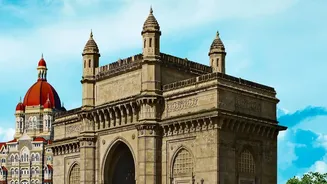
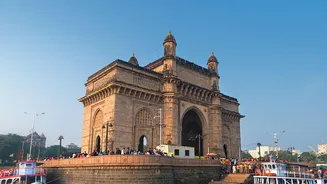
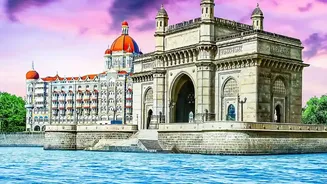
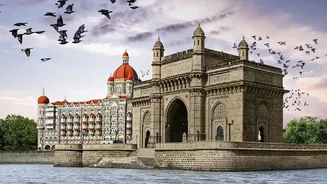
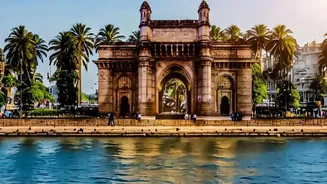
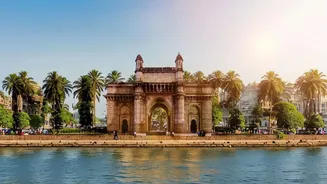
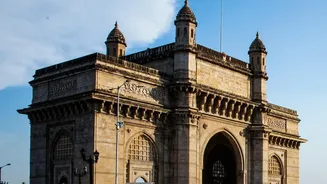
Your journey begins in Mumbai, India’s vibrant financial and entertainment capital. After settling in, dedicate the afternoon to exploring the colonial-era architecture of South Mumbai. Start at the iconic Gateway of India, an imposing arch erected to commemorate the 1911 visit of King George V. From there, a short ferry ride takes you to the Elephanta Caves, a UNESCO World Heritage site featuring magnificent rock-cut temples dedicated to Lord Shiva. In the evening, take a leisurely stroll along Marine Drive, famously known as the 'Queen’s Necklace', to watch the sunset over the Arabian Sea. This relaxed start allows you to soak in the city's atmosphere before the main heritage leg of your trip begins.
Day 2: Journey to Aurangabad & Local Treasures
An early start takes you to Aurangabad, the historical heart of the Marathwada region. Thanks to improved road and air connectivity, what was once a long haul is now a manageable half-day journey. Upon arrival, check into your hotel and head out to see the Bibi Ka Maqbara. Often called the 'Taj of the Deccan', this beautiful mausoleum was commissioned by the Mughal emperor Aurangzeb in memory of his wife, Dilras Banu Begum. Its design was inspired by the Taj Mahal, and it stands as a testament to Mughal architectural ambitions in the Deccan. Later, explore the Aurangabad Caves, a series of 12 rock-cut Buddhist shrines that offer a quiet and less-crowded glimpse into the region's ancient spiritual life.
Day 3: The Grandeur of Ellora and Daulatabad
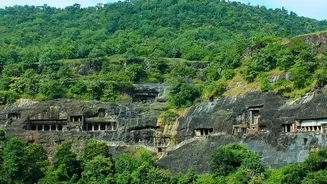
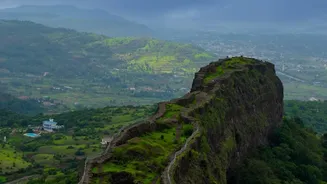
Prepare for a day of architectural marvels. A short drive from Aurangabad lies the Ellora Caves, one of India’s most spectacular UNESCO World Heritage sites. Unlike Ajanta, Ellora features a stunning mix of Hindu, Buddhist, and Jain rock-cut temples, monasteries, and monuments carved over five centuries. The centerpiece is the Kailasa Temple (Cave 16), the world’s largest single monolithic excavation. On your way back to Aurangabad, stop at the formidable Daulatabad Fort. This 12th-century fortress is an engineering marvel, renowned for its ingenious defensive systems, including a complex maze of passages and a steep, moat-flanked ascent that made it nearly impregnable.
Day 4: The Painted Caves of Ajanta
Today is dedicated to the world-renowned Ajanta Caves, located about 100 km from Aurangabad. These 30 rock-cut Buddhist cave monuments date from the 2nd century BCE to about 480 CE. What makes Ajanta truly exceptional are the vivid murals and paintings that adorn the walls, considered masterpieces of Buddhist religious art. The paintings depict the Jataka tales—stories of the Buddha's previous lives—and provide a detailed portrait of life in ancient India. A full day is necessary to appreciate the artistry and serenity of this incredible site. The journey from Aurangabad is straightforward, with private taxis and state-run buses readily available.
Day 5: Pune’s Peshwa Legacy and Departure
On the final day, travel from Aurangabad to Pune, Maharashtra’s cultural capital. The improved road network makes this a comfortable drive. Once in Pune, immerse yourself in its rich Maratha history. Visit Shaniwar Wada, the fortified seat of the Peshwa rulers of the Maratha Empire. Though partially destroyed by a fire, its grand foundations and gateways still evoke an era of power and influence. Depending on your flight or train schedule, you can also visit the Aga Khan Palace, a place of great historical significance where Mahatma Gandhi was imprisoned during the Quit India Movement. This final stop provides a poignant contrast to the ancient and medieval sites, rounding off a comprehensive cultural tour of Maharashtra.