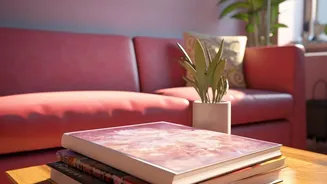




Start with a Natural Colour Palette
The foundation of an earthy aesthetic is a colour scheme inspired by nature. These tones are inherently calming and can make a small room feel more open and cohesive. Think of colours like terracotta, sage green, sandy beige, and warm greys. These muted
hues serve as a perfect backdrop. Start with the largest surfaces, like your walls. A warm white or a soft greige can instantly make a room feel brighter and more expansive. Then, layer in warmer tones through furniture and textiles. A terracotta accent wall, for instance, can add depth and warmth without overwhelming the space. The beauty of these colours is that they all have a brown pigment at their base, which means they layer together harmoniously, creating a soothing and grounded atmosphere.
Incorporate Rich, Natural Textures
An earthy room is a tactile one. Texture is crucial for adding visual interest and warmth, preventing the neutral colour palette from feeling flat. Introduce a variety of natural materials through your furnishings and accessories. Think jute or sisal rugs, which feel great underfoot and define a space. Swap heavy curtains for lighter linen or cotton drapes that allow natural light to filter through. Woven baskets are a stylish solution for storage, hiding clutter while adding a rustic touch. Look for furniture made from natural woods like oak, maple, or cane. Even small additions, like clay pottery, stone coasters, or a woollen throw on the sofa, contribute to a layered, sensory experience that makes a home feel cosy and authentic.
Bring the Outdoors In with Greenery
Plants are the most literal way to bring the outdoors in, and they are essential for an earthy aesthetic. They add a vibrant touch of colour, purify the air, and have been proven to reduce stress. In a small apartment, you need to be strategic. Choose a variety of plants and place them at different heights to draw the eye upwards. Consider low-maintenance options that thrive in Indian climates, such as snake plants, ZZ plants, or pothos. If floor space is limited, think vertically. Hanging planters, wall-mounted shelves for pots, or even a small vertical garden on a balcony can add a lush feel without taking up valuable square footage. This practice, known as biophilic design, is about creating a connection to nature indoors, which is especially important in urban environments.
Embrace Organic Shapes and Forms
Nature rarely deals in perfectly straight lines. To soften the often boxy feel of a small apartment, incorporate furniture and décor with organic, curved shapes. A round coffee table, a mirror with a soft oval shape, or a sofa with rounded arms can break up the monotony of sharp angles and make the space feel more fluid and inviting. This also applies to smaller decorative items. Look for handmade ceramic vases with imperfect shapes, bowls made from natural wood with a live edge, or art that depicts natural forms. These subtle curves and irregularities mimic the patterns found in nature, contributing to a more relaxed and less formal atmosphere in your home.
Master Your Lighting
Lighting plays a critical role in how a space feels, especially a small one. Aim for a layered lighting plan that combines different types of light. Maximise natural light by keeping window treatments sheer and using mirrors to reflect light around the room. For artificial light, avoid a single, harsh overhead fixture. Instead, use a combination of sources. A pendant lamp over a dining area, a floor lamp in a reading nook, and table lamps on side tables create pools of warm, inviting light. Opt for bulbs with a warm tone to enhance the cosy, earthy colours of your décor. Smart lighting can also be a great addition, allowing you to dim the lights in the evening to create a relaxing, intimate mood.