





Defining Value Beyond the Bill
When we talk about 'value' in travel, it's easy to default to a simple cost comparison. On paper, a budget guesthouse in Vietnam will almost always be cheaper per night than a five-star beach resort. A private room in a family-run guesthouse can cost as little
as $15-$30, while boutique hotels sit comfortably in the $60-$150 range. In contrast, luxury resorts can command prices from $150 to over $400. But the real conversation about value goes deeper. It’s about the quality of the experience, the authenticity of the interactions, and the richness of the memories you bring home. For an increasing number of travellers, value is found in connection and culture, not just convenience and cocktails by the pool.
An Invitation to Authentic Culture
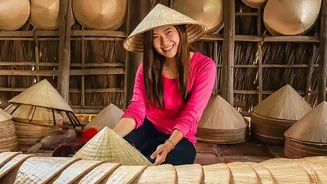
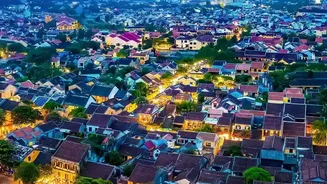
Mega-resorts are often self-contained worlds. With private beaches, multiple international restaurants, and sprawling pools, they are designed to keep you on-property. While comfortable, this can insulate you from the very country you came to visit. Boutique guesthouses and homestays, on the other hand, are woven into the fabric of their locations. Many are restored heritage buildings, from French colonial villas in Hanoi to traditional wooden homes in Hoi An, offering an immersive sense of place. Staying in one means you step out your door and into the rhythm of local life—the morning calls of street vendors, the scent of pho from a nearby stall, and the sight of lanterns lighting up an ancient street. These properties are often owned and run by local families, providing direct insight into Vietnamese hospitality and culture that a corporate hotel chain simply cannot replicate.
Service That Knows Your Name
The service model is another key differentiator. At a large resort, service is professional and standardized, delivered by a large staff. It's efficient, but often impersonal. In a boutique hotel or guesthouse with only 10 to 30 rooms, the experience is profoundly different. The owner might be the one checking you in, offering you a welcome tea, and sharing stories about their city. Staff often act more like local guides than employees, recommending hidden cafes, helping you book a tour with an honest operator, or even teaching you a few words of Vietnamese. This personalized attention—where the host remembers your breakfast preference or gives you a hand-drawn map to their favourite market—is a form of luxury that can't be measured in star ratings.
A Genuine Taste of Vietnam
Food is central to any Vietnamese travel experience. Mega-resorts often feature impressive international buffets designed to cater to a global palate, alongside a fine-dining Vietnamese option. It’s good, but can feel generic. Smaller guesthouses offer a more intimate culinary journey. Breakfast might feature local specialties like Banh Mi or a regional noodle soup, cooked to order. Many hosts take pride in sharing home-cooked meals or directing guests to the best street food spots that aren't in any guidebook. In places like the Tra Que Vegetable Village near Hoi An, you can even join a cooking class at your guesthouse using herbs picked from the garden just moments before. This is where you find the true flavours of Vietnam—not in a buffet line, but at a family table.
Location as an Experience
Location isn't just about geography; it's about immersion. Many boutique hotels are strategically located in the heart of historic districts, like Hanoi's Old Quarter or the UNESCO-listed center of Hoi An. This allows you to explore the most atmospheric parts of the city on foot, discovering winding alleyways and ancient temples at your own pace. In contrast, many large-scale beach resorts are situated on more isolated stretches of coastline in places like Da Nang or Phu Quoc, requiring a taxi or shuttle to get anywhere. While a private beach has its appeal, for travellers who want to feel connected to the life of a city, a centrally located boutique stay offers unbeatable value.