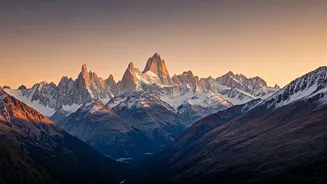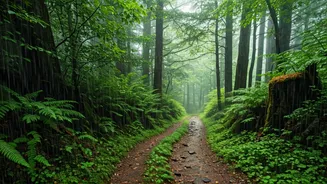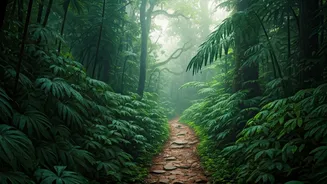

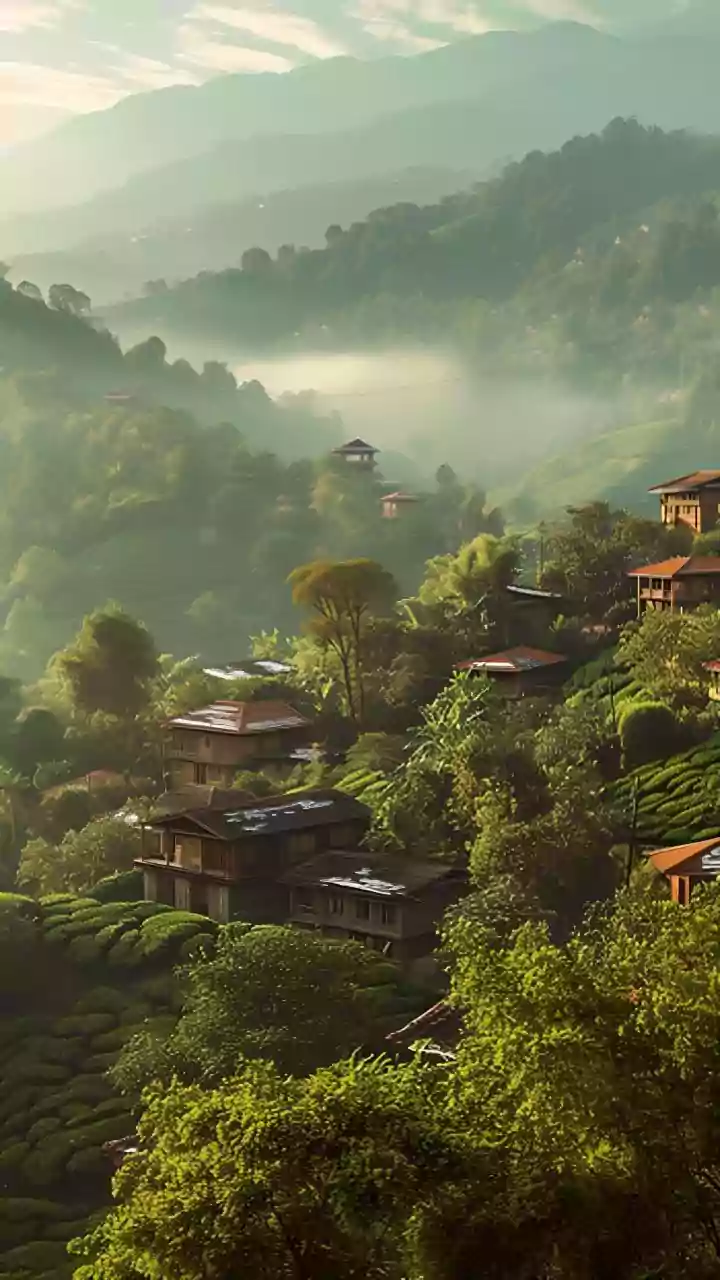
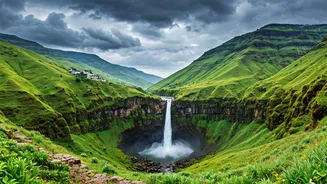


A Mythical, Magical Place
Nestled in the Chamoli district, the Valley of Flowers National Park is more than just a beautiful destination; it's a place steeped in legend and ecological wonder. A designated UNESCO World Heritage Site, this high-altitude valley is believed to be the mythical
'Sanjeevani' from the Ramayana, the place where Lord Hanuman found the life-saving herb. For centuries, its existence was a local secret, known only to shepherds who feared the fairies they believed inhabited it. It was formally discovered and put on the map in 1931 by British mountaineer Frank S. Smythe, who stumbled upon it after a successful expedition to Mount Kamet. Today, it stands as a testament to the raw, untamed beauty of the Himalayas.
The Perfect Time to Visit
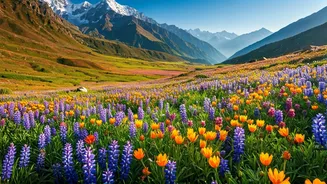
Timing is everything when it comes to the Valley of Flowers. For most of the year, this enchanting landscape is buried under a thick blanket of snow. But as the monsoon rains arrive, the valley undergoes a magical transformation. The ideal window to witness this spectacle is from mid-July to mid-August. During this period, the snow has melted, and over 500 species of wildflowers bloom in a breathtaking display of purples, yellows, reds, and blues. Visiting before July means you'll encounter lingering snow and fewer flowers, while a trip after August will see the blooms begin to wilt as autumn approaches and the valley prepares for its long winter slumber.
The Journey to Paradise
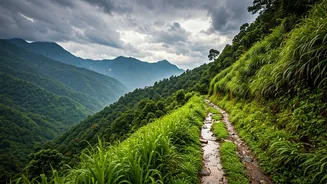
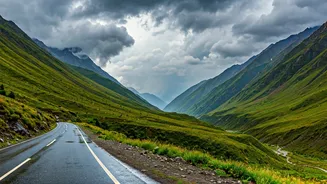
Reaching the valley is an adventure in itself, a rewarding trek that adds to the magic of the destination. The journey typically begins at Govindghat, a small town near Joshimath. From there, it's a 14-kilometre trek to the base camp, Ghangaria. This part of the trail, which runs alongside the gushing Pushpawati River, is moderately challenging but can be covered on foot, by pony, or via a porter. Ghangaria is a simple but bustling hamlet with basic guesthouses and eateries, serving as the resting point for pilgrims heading to both the Valley of Flowers and the sacred Hemkund Sahib Gurudwara. After an overnight stay here, you’ll embark on the final, shorter trek of about 3-4 kilometres into the core zone of the valley.
A Carpet of Alpine Flora
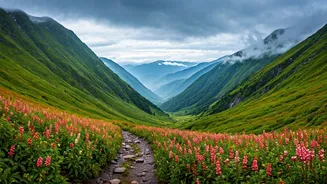
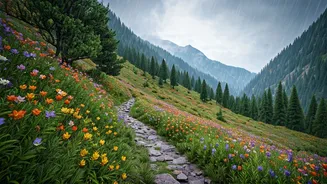
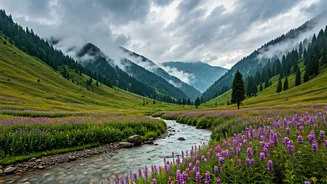
The moment you enter the valley, the effort of the trek melts away. You are greeted by an endless meadow carpeted with flowers of every imaginable hue. The air is crisp and filled with a gentle floral fragrance. The landscape is dotted with iconic Himalayan blooms like the elusive Blue Poppy, the sacred Brahma Kamal, Cobra Lilies, and countless varieties of primulas, orchids, and daisies. The park authorities have wisely banned overnight camping inside the valley to protect its fragile ecosystem. This means you must enter and exit on the same day, which preserves the pristine nature of the site and ensures that your experience is as pure as the landscape itself.
Essential Tips for Your Trek
A trip to the Valley of Flowers requires some planning. First, you'll need a permit, which can be obtained at the forest department checkpoint just after Ghangaria. Since Ghangaria is the only place to stay, it’s wise to book your accommodation in advance, especially during the peak season. Pack light, but pack smart: a good pair of waterproof trekking shoes, a raincoat, warm layers, and a basic first-aid kit are non-negotiable. The weather in the Himalayas is notoriously unpredictable. Acclimatise properly to the altitude to avoid sickness. Hiring a local guide is also recommended; they can point out rare flowers and share fascinating stories about the region.