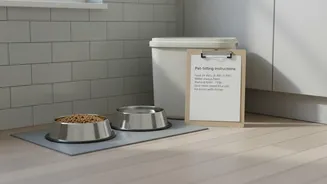



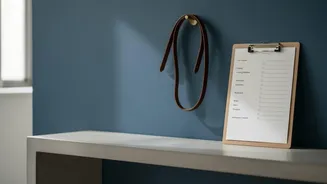
The Core Details: What, When, and Where
The foundation of any good feeding guide is specificity. Simply writing "feed the dog twice a day" is not enough. Your sitter, who may be caring for multiple pets, needs unambiguous instructions. Start by listing the exact brand and type of food your
pet eats. For example, "He eats one cup of 'Brand X' small-breed chicken and rice formula." Then, state the precise times for each meal, like "7:30 AM and 6:00 PM." Finally, tell the sitter exactly where the food is stored, whether it's in a pantry, a specific cupboard, or a sealed container on the counter. The more detailed you are, the less room there is for error.
Make Portion Control Foolproof
Overfeeding is one of the most common mistakes well-intentioned owners and sitters make, and it can lead to health problems like obesity. Don't rely on the sitter to "eyeball" the amount. The instruction to "use the red scoop" can be misinterpreted if there are several scoops. Instead, provide a dedicated, standard measuring cup and specify the exact measurement, such as "1/2 cup, levelled." For maximum clarity, consider pre-portioning each meal into individual, labelled ziplock bags for each day you're gone. This removes all guesswork and ensures your pet gets the exact amount of food they need, every single time. It's a simple step that provides ultimate peace of mind.
Establish a Clear Policy on Treats
Treats are often an overlooked source of extra calories and potential dietary upset. Your sitter will naturally want to bond with your pet, and offering treats is an easy way to do that. Be explicit about your rules. Specify what kind of treats are allowed, how many they can have per day, and when it's appropriate to give them (e.g., "one dental chew after his evening walk"). It is equally important to list foods that are off-limits or toxic, such as chocolate, onions, grapes, or any other items your pet has a sensitivity to. A clear "yes" and "no" list prevents accidental harm and keeps your pet's diet consistent.
Address Water and Special Requirements
Hydration is just as important as food. Note your pet's water habits. Do they have a gravity-fed water dispenser that needs refilling? Do they prefer their bowl in a specific spot? Let the sitter know to check and refresh the water daily. If your pet takes any supplements or medications with their food, the instructions must be crystal clear. List each medication by name, its dosage, the time it should be given, and exactly how to administer it (e.g., "crush one small pill and mix it into his wet food at dinner"). Consider physically labelling medications to avoid any mix-ups, especially in a multi-pet household.
Create a 'What If' Plan
Even with the best instructions, things can sometimes go sideways. What should the sitter do if your pet refuses to eat? Provide simple troubleshooting steps, such as trying to hand-feed a few pieces of kibble or adding a small amount of warm water. More importantly, define the point at which they need to contact you or a veterinarian. For example, "If he hasn't eaten for 24 hours, please call me. If he also seems lethargic, call the vet immediately." This empowers the sitter to act confidently in an unexpected situation. Make sure your vet's name, address, and phone number—along with the number for a 24/7 emergency animal hospital—are listed prominently.