




The Nutritional Powerhouse on Your Plate
Millets are celebrated for their impressive health benefits. Unlike refined grains such as white rice or maida, millets are whole grains packed with dietary fibre, complex carbohydrates, and plant-based protein. This high fibre content aids digestion,
keeps you feeling full for longer, and helps in weight management. Millets also have a low glycemic index, which means they release sugar into the bloodstream slowly, preventing energy spikes and crashes, making them an excellent choice for managing blood sugar levels. They are naturally gluten-free and loaded with essential minerals like iron, calcium, magnesium, and phosphorus, contributing to overall health.
Meet the Millet Family
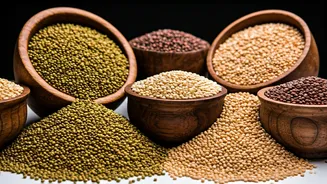
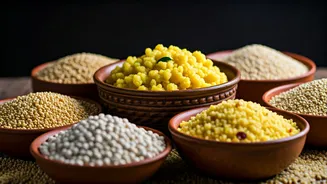
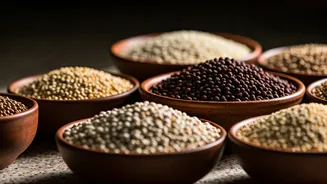
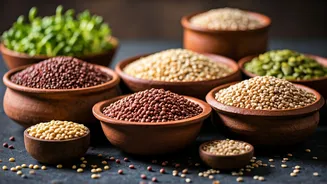
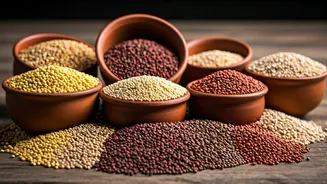
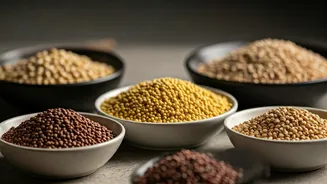
The key to variety is knowing the different types of millets and their unique qualities. Each one brings a distinct taste, texture, and nutritional profile to the table. * **Ragi (Finger Millet):** Known as the 'calcium king', Ragi is exceptional for bone health, making it ideal for children and the elderly. It has a nutty, earthy flavour and gives a lovely deep colour to dishes like dosas and laddoos. * **Jowar (Sorghum):** With a mild taste, Jowar is a great starting point for those new to millets. It is rich in antioxidants and fibre, promoting heart health and good digestion. It's traditionally used to make flatbreads like bhakri. * **Bajra (Pearl Millet):** This millet is an energy booster, high in iron and protein. It has a bold, earthy flavour and warming properties, making it a staple in winter meals like bajra roti and khichdi. * **Foxtail Millet (Kangni):** Light on the stomach and heart-friendly, foxtail millet has a mild flavour and can be used as a substitute for rice in dishes like upma, pulao, or lemon rice.
Beyond the Bhakri: Creative Meal Ideas
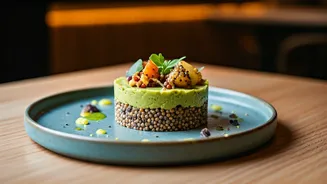
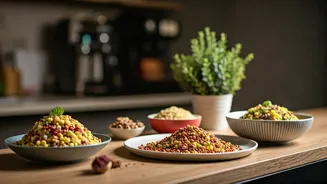
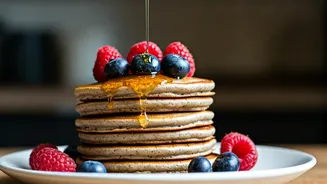
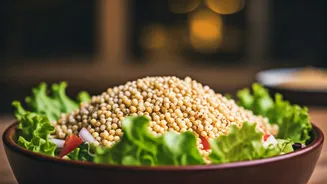
Incorporating millets into your diet doesn’t have to be complicated. You can easily introduce them into every meal of the day. For breakfast, swap your regular porridge or upma with one made from foxtail millet or ragi for a filling start. You can also make instant dosas with ragi flour or fluffy idlis. For lunch and dinner, the possibilities are endless. Use cooked millets as a base for salads, or replace rice in pulao, khichdi, and biryani. Millet flour can be mixed with your regular wheat flour to make more nutritious rotis. You can even create healthy snacks like millet tikkis or bake cookies and cakes using millet flour. The mild, nutty taste of most millets allows them to absorb the flavours of other ingredients, making them incredibly versatile.
Simple Tips for Cooking Millets
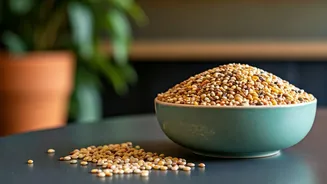
Cooking millets is simple, but a few tips can help you get the perfect texture. Toasting millets in a dry pan for a few minutes before cooking can enhance their nutty flavour. Soaking is another important step for some millets like foxtail millet, which helps in better digestion and cooking. The general water-to-millet ratio for a fluffy, rice-like consistency is typically 1 cup of millet to 2 cups of water, but this can vary. You can cook them in a pressure cooker, a saucepan on the stove, or even in a rice cooker. Don't be afraid to experiment. Start by substituting a portion of rice or wheat in your favourite recipes with millets and gradually find what works best for you and your family.