





The Monsoon's Allure and Its Dangers
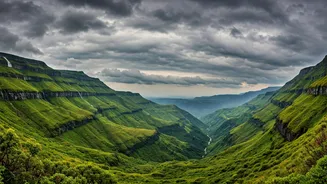
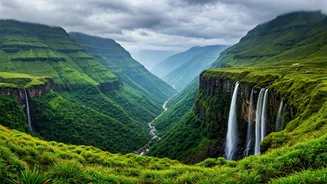
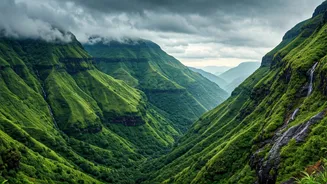
There is nothing quite like the Sahyadris in the rain. The parched summer landscape gives way to a vibrant green carpet, waterfalls cascade down ancient rock faces, and a cool mist hangs in the air. It’s a magical time that tempts city dwellers from Mumbai,
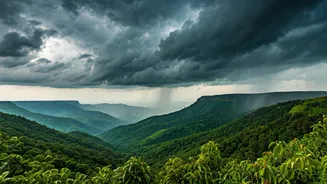
Pune, Bengaluru, and beyond to seek a weekend escape. However, this romantic image is paired with significant risk. The same rains that bring the Ghats to life can trigger dangerous landslides, cause flash floods in narrow gullies, and make roads treacherous. With the southwest monsoon now active across the region, authorities like the India Meteorological Department (IMD) have issued alerts for heavy rainfall in parts of Maharashtra, Goa, Karnataka, and Kerala. These are not just casual warnings; they signal a real potential for disruption and danger, making it vital for travellers to move beyond the pretty pictures on social media and engage in serious planning.
Your Essential Pre-Trip Toolkit
Spontaneity is a wonderful part of travel, but a monsoon trip to the Ghats isn’t the time for it. Your first and most critical step is to become a diligent weather watcher. Start by regularly checking the IMD website, which provides district-wise warnings, including colour-coded alerts (yellow, orange, red) that indicate the severity of expected weather. Beyond national forecasts, tune into local news sources for on-the-ground conditions. Pay close attention to advisories from district administrations or disaster management authorities, which may announce road closures or travel restrictions, particularly for popular but vulnerable ghat sections. Finally, make a direct phone call. Contact your hotel, resort, or homestay a day or two before you travel. Ask them about the immediate local conditions, the state of the roads leading to their property, and if they are aware of any specific local advisories. This direct information is often the most reliable and up-to-date you can get.
Plan for Safety, Not Just Scenery
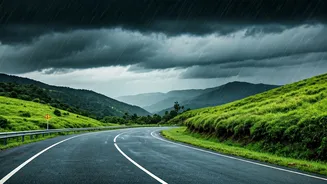
A safe monsoon itinerary is a flexible one. As you plan your route, try to stick to major highways and well-maintained roads, which are more likely to remain open and are monitored by authorities. Avoid remote routes or little-known shortcuts that could leave you stranded. One of the most important rules for monsoon travel in the hills is to avoid driving at night. Heavy rain, dense fog, and poor visibility dramatically increase the risk of accidents. Plan your travel to ensure you reach your destination well before sunset. It's also wise to have a Plan B. If a red alert is issued for your chosen destination, be prepared to change your plans or postpone your trip. Check the cancellation and rescheduling policies of your hotel and transport when you book. Prioritising your safety is always more important than sticking to a rigid schedule.
Trekking: Know Your Trail
For adventure seekers, trekking is a primary draw. However, organisations like the Akhil Maharashtra Giryarohan Mahasangh (AMGM) urge extreme caution during the monsoon. The risk is not just about slippery paths; it’s about making smart trail choices. Experts suggest that gradual fort trails with wide, clear paths, such as Lohagad or Visapur, are generally safer. In contrast, trails involving steep vertical climbs, narrow gullies exposed to flash floods (like Harishchandragad’s Nalichi Vaat), or multiple swollen stream crossings become extremely dangerous. Never trek alone. Always go with an experienced group or a certified guide who understands the local terrain and weather patterns. Inform your family or friends of your exact itinerary and carry essential safety gear. And remember, no view or selfie is worth risking your life near a cliff edge or a powerful waterfall.
Pack a Monsoon-Proof Kit
Your packing list for a monsoon trip needs some specific additions. Start with the obvious: a reliable raincoat and waterproof footwear with good grip are non-negotiable. Choose synthetic, quick-drying clothes over cotton, which stays damp for a long time. Given the possibility of power cuts, a fully charged power bank for your mobile phone is an absolute essential. A basic first-aid kit, including antiseptic, bandages, and any personal medications, is also a must. To protect your electronics and important documents like your ID, carry them in waterproof bags or ziplock pouches. Finally, an insect repellent is a good idea, as the rains bring out all manner of bugs. Being well-prepared with the right gear can make the difference between a comfortable trip and a miserable, unsafe one.