






The Real Cost of 'Carefree' Swiping
It’s easy to justify putting a hotel stay or a few nice meals on a credit card, especially when you’re in vacation mode. But this habit comes with hidden costs. Studies have shown that people tend to spend more, and more often, when using a credit card compared
to cash. This is because swiping plastic feels less tangible than handing over physical money, a phenomenon known as delaying the “pain of paying.” That carefree spending can quickly lead to a cycle of debt. Interest charges on an unpaid balance mean you end up paying significantly more for your trip long after the memories have faded. What starts as a relaxing escape can become a source of prolonged financial pressure, with one trip’s debt lingering as you plan the next.
The Psychology of Spending
Behavioral scientists have long noted the difference between paying with cash and credit. Using a credit card can activate the reward centers in our brain, making spending feel good in the moment and encouraging impulse buys. One study found that shoppers using cards were more likely to buy unhealthy, impulsive food items. This isn't because of a lack of willpower; it’s a psychological response to a frictionless payment system. The immediate gratification of the purchase is separated from the consequence of the bill, which arrives weeks later. This mental distance makes it easier to overspend without even realizing it until the statement comes.
Create a 'Getaway Fund'
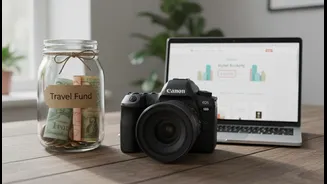
The most effective way to break this cycle is to create a dedicated savings account for your travel goals, often called a “sinking fund.” This is a pot of money set aside for a specific, planned expense. By separating your travel savings from your everyday checking or general savings accounts, you accomplish two things. First, you make your travel budget clear and finite; you can only spend what you’ve saved, which eliminates the risk of debt. Second, it makes saving a disciplined, intentional act. You’re less likely to dip into a fund earmarked for a specific goal, like a fun weekend away, for other non-essential purchases.
How to Start Your Fund
Setting up a weekend trip fund is straightforward. First, identify your goal. Decide on a realistic amount you’d like to have available for a few trips a year. Let’s say you want to save ₹40,000 for weekend getaways over the next 12 months. That means you need to save approximately ₹3,333 per month. Next, open a separate, high-yield savings account to house this fund. Keeping it separate is key to resisting temptation. The most crucial step is to automate your savings. Set up an automatic transfer from your main account to your new travel fund each payday. This “pay yourself first” approach ensures you are consistently working toward your goal without having to think about it. Even small, regular contributions add up significantly over time.
Enjoying Guilt-Free Travel
Once your fund is established, you can book your trips with confidence. Knowing the money is already there transforms the experience. Instead of worrying about every expense or facing a mountain of debt upon your return, you can truly relax and enjoy yourself. You’ll be able to make decisions based on a clear budget, not an abstract credit limit. This approach also encourages smarter travel planning. When you’re using your hard-earned savings, you’re more likely to look for good deals, travel during the off-season, and explore budget-friendly activities that are just as enriching. You can still use a credit card for the security and rewards it offers during the trip, but with the peace of mind that comes from knowing you can pay the balance in full immediately.