





The Problem of Hot Cities
Anyone who has walked barefoot on a dark asphalt road during a summer afternoon knows it absorbs a tremendous amount of heat. In cities across India, vast expanses of these dark surfaces—roads, parking lots, and roofs—create what is known as the 'urban
heat island' effect. These materials can absorb up to 95% of the sunlight that hits them, getting dangerously hot and radiating that heat back into the air long after the sun has set. This phenomenon makes cities significantly warmer than surrounding rural areas, increasing health risks, straining energy grids from air conditioner use, and worsening air quality.
What Are Cool Pavements?
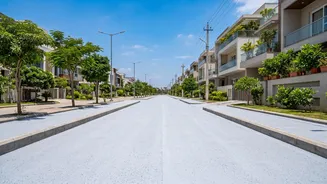
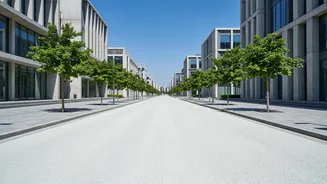
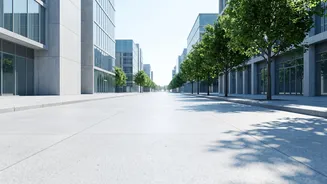
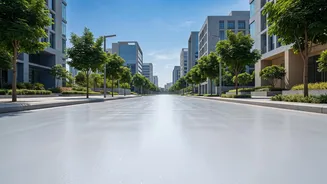
Think of it as the difference between wearing a black shirt and a white shirt on a sunny day. Cool pavements apply the same principle to our streets. The most common method involves applying a special 'cool coating'—a paint-like sealant that is much lighter in colour and more reflective than traditional black asphalt. These coatings are designed with a high solar reflectance (also called albedo), meaning they reflect more sunlight back into the atmosphere instead of absorbing it as heat. The result is a surface that stays dramatically cooler, even under the intense Indian sun.
The Science of Cooling
The effectiveness of cool pavements comes down to two key properties: solar reflectance and thermal emittance. Solar reflectance measures how much sunlight is reflected, while thermal emittance is the material's ability to release any heat it has absorbed. Standard dark asphalt has a very low albedo, absorbing most of the sun's energy. Cool coatings, often made with special pigments and binders, are engineered to maximize reflectance. The impact is immediate and significant. Studies and pilot projects, including those in hot cities like Phoenix and Los Angeles, have shown that these coatings can lower the pavement's surface temperature by as much as 10-15°C.
From Surface Heat to Cooler Air
While cooling the ground is impressive, the real goal is to lower the ambient air temperature that people actually feel. When deployed on a large scale across a neighborhood, the collective effect of cooler surfaces begins to make a difference. Cooler roads mean less heat is radiated into the surrounding air. Studies have measured a reduction in local air temperatures of 1-2°C. While that might not sound like much, this modest drop can be the difference between dangerous heat-stress levels and relative comfort, reduce the energy needed for air conditioning, and even slow the chemical reactions that form smog.
Adoption and Challenges in India
India is increasingly looking at passive cooling solutions, including cool pavements, to combat its severe heatwaves. Cities like Ahmedabad and Jodhpur are exploring strategies, and research at institutions like IIT Jodhpur is focused on developing durable and sustainable road technologies. However, there are challenges to consider. The initial cost of cool coatings can be higher than traditional sealants. There are also concerns about glare for drivers and pedestrians, and the reflective coatings can become less effective over time as they get dirty from traffic. Ensuring durability and finding cost-effective solutions tailored for Indian conditions are key hurdles to widespread adoption.