


A Green Answer to Grey Skies
The monsoon is a season of contrasts; while it brings welcome relief from the summer heat, the persistent rain can also lead to days spent indoors. This is where a balcony herb garden comes in. It’s more than just a hobby; it’s a way to engage with nature,
improve your well-being, and add a functional, beautiful element to your home. Tending to plants has been shown to reduce stress, and the simple act of nurturing a small garden can be a calming daily ritual. Beyond the mental health benefits, these gardens offer immediate practical rewards: fresh, aromatic herbs right at your fingertips, ready to elevate your daily chai, curries, and salads. It's a small but powerful way to make your urban space more sustainable, beautiful, and delicious.
Choosing Your Monsoon Champions
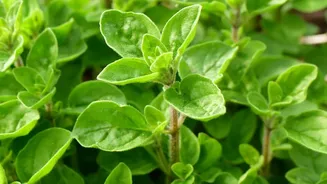
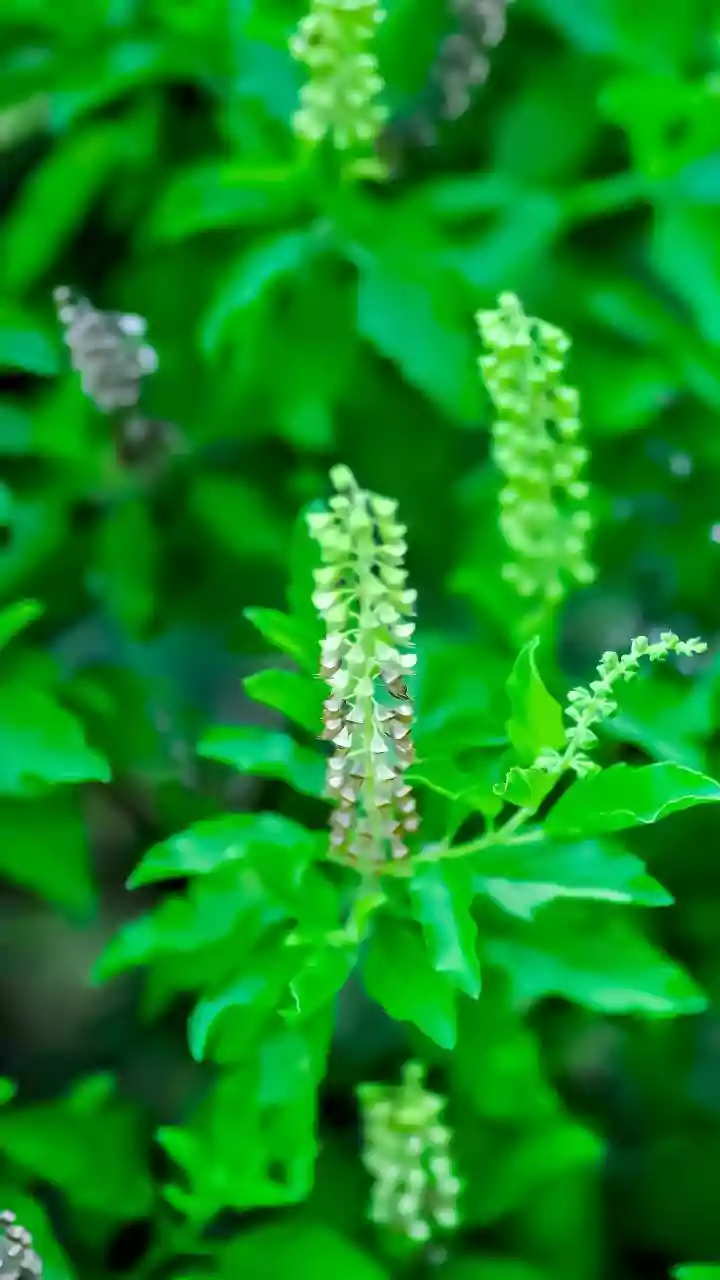
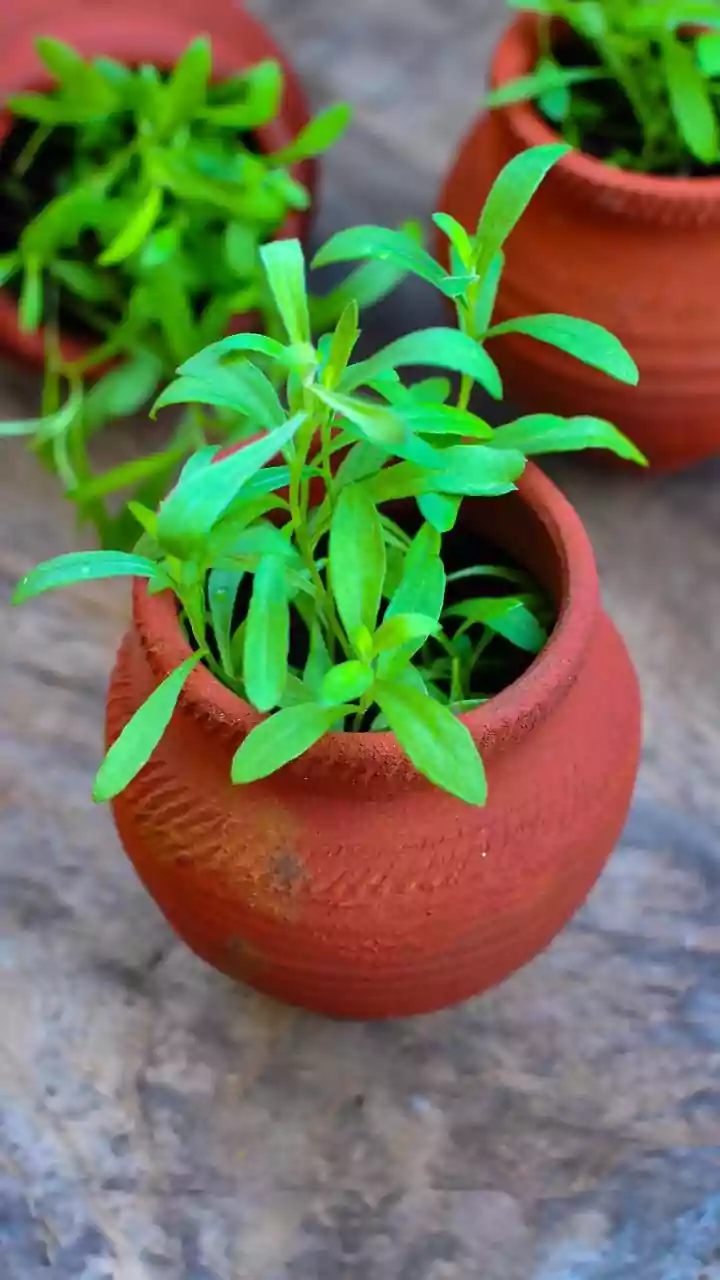
Not all herbs are created equal, especially when facing the Indian monsoon's humidity and heavy showers. The key is to choose plants that thrive in these specific conditions. Luckily, many herbs central to Indian cuisine are perfect candidates. Tulsi (Holy Basil) is a resilient choice, known for its immunity-boosting properties that are especially welcome during the damp season. Mint (Pudina) grows vigorously and is forgiving even for beginners; just be sure to keep it in its own pot as it tends to spread. Lemongrass, with its refreshing scent, also performs exceptionally well in warm, humid weather. Coriander (Dhaniya) can be grown successfully with good drainage, allowing you to snip fresh leaves for daily cooking. Even curry leaf plants, a staple in many kitchens, can be maintained in a large pot on a sunny balcony.
Setting Up Your Green Corner
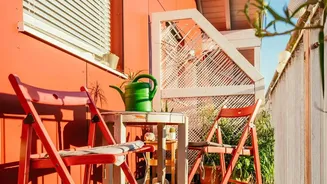
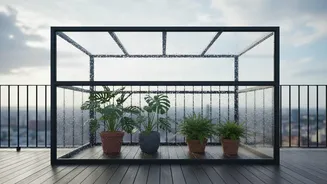
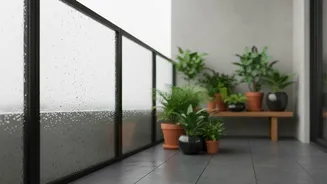
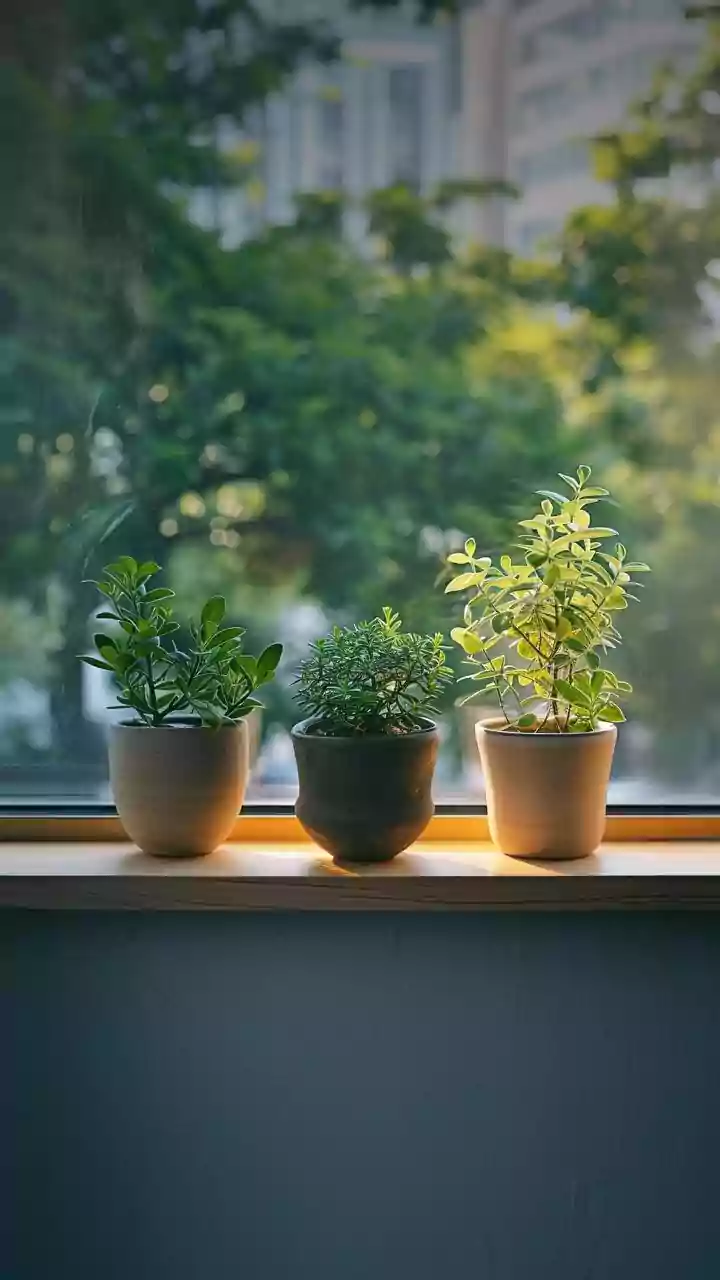
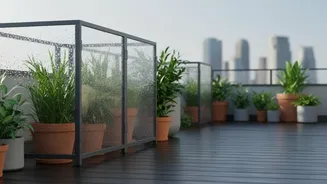
You don’t need a sprawling terrace to start; a few pots on a small balcony or even a window ledge will do. The single most important factor for a monsoon garden is drainage. Heavy rains can easily waterlog pots, leading to root rot. Choose terracotta or plastic pots with plenty of drainage holes. You can even place a layer of gravel or broken pot pieces at the bottom before adding soil. The soil itself should be light and well-aerated. A mix of garden soil, compost, and a bit of sand or coco peat is ideal for preventing compaction. To maximise a small footprint, think vertically. Use wall-mounted shelves, railing planters, or tiered stands to hold multiple pots without cluttering your floor space.
Essential Monsoon Care
While the monsoon provides natural watering, it also presents unique challenges. The primary rule is to avoid overwatering; always check if the top inch of the soil is dry before adding more water. On days with heavy downpours, you might not need to water at all. High humidity can also invite fungal diseases and pests. Ensure good air circulation between your plants by not overcrowding them. Regularly pruning your herbs not only encourages bushier growth but also helps improve airflow. Keep an eye out for common pests like aphids and mealybugs. A simple spray of diluted neem oil every couple of weeks can act as an effective, organic preventive measure. If possible, move delicate plants to a spot where they are shielded from the most intense rain to prevent damage.
From Balcony to Kitchen
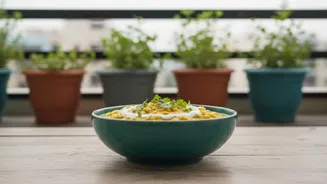
The ultimate reward of your herb garden is enjoying the harvest. Having fresh ingredients on hand transforms everyday cooking. Snip a few leaves of Tulsi and mint for a revitalising morning tea. Pluck fresh coriander to garnish dal and sabzi, adding a burst of flavour that store-bought herbs can't match. A few fresh curry leaves can instantly elevate a simple tadka. Lemongrass stalks can be bruised and steeped in hot water for a fragrant, calming beverage. Getting into the habit of regularly harvesting your herbs not only provides you with ingredients but also encourages the plants to grow more robustly. It closes the loop from planting a seed to tasting its rewards, a deeply satisfying experience in the heart of the city.