





Why 'Low-Impact' is a Game-Changer
When you're new to exercise, your joints aren't accustomed to the stress of repetitive impact. High-impact activities like running can be jarring, leading to pain in the knees, hips, and ankles. Low-impact exercise, by contrast, minimizes this stress.
These activities keep at least one foot on the ground or support your body with water or equipment, reducing the risk of injury and making it easier to stay consistent. This approach is ideal for beginners, individuals with arthritis or existing joint concerns, and anyone looking for a gentler way to get active without sacrificing results. Building a foundation with low-impact movements allows your body to adapt, grow stronger, and avoid the burnout that often comes from doing too much, too soon.
The Best Low-Impact Cardio Options
Cardiovascular exercise is essential for heart health, but it doesn't have to pound your joints. Swimming is often called the perfect low-impact workout because the water's buoyancy supports your body weight, removing almost all stress from your joints while providing a full-body workout. Studies show that swimming and other water-based exercises can significantly reduce joint pain and stiffness for people with osteoarthritis. Cycling, both on a stationary bike or outdoors, is another excellent choice. It builds leg strength and improves cardiovascular fitness while keeping your weight off your feet. For those who prefer the gym, the elliptical machine mimics running without the jarring impact. And never underestimate the power of walking; a brisk walk is a simple, effective, and accessible way to improve heart health and strengthen muscles.
Building Strength Without Strain
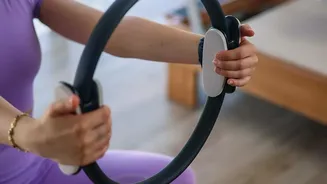
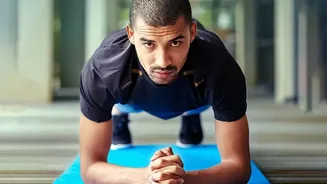
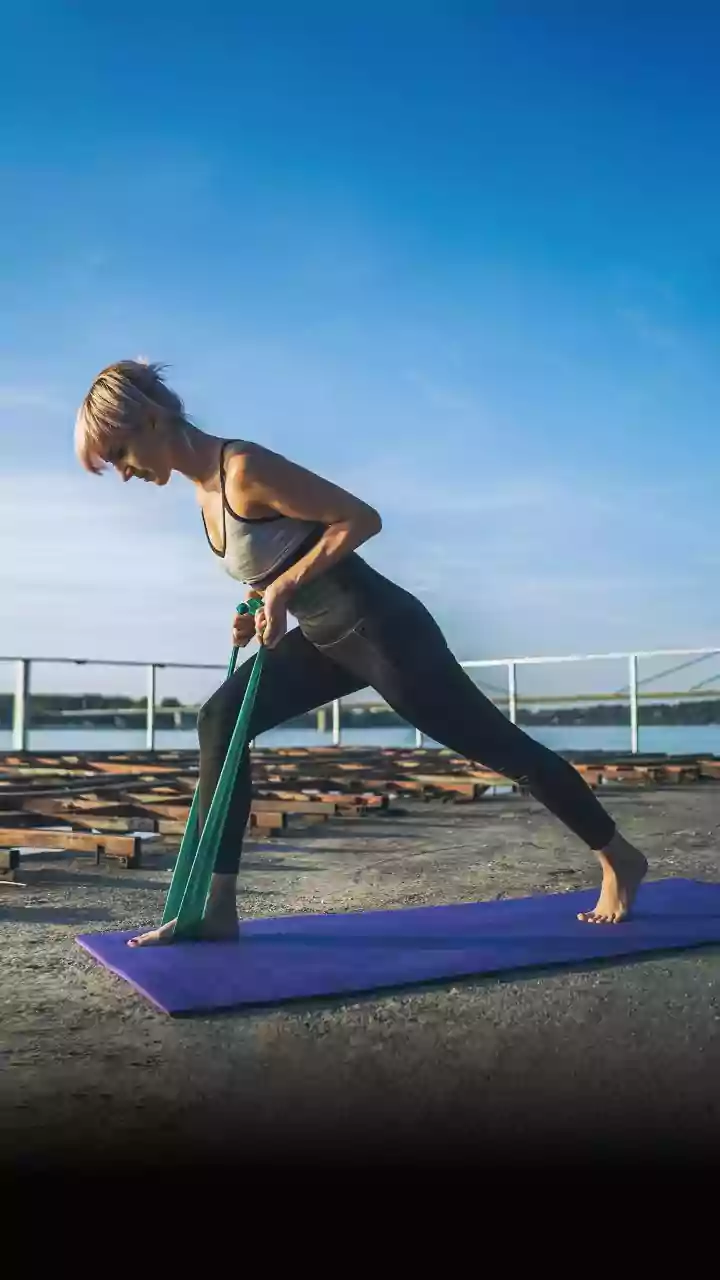
Strength training is crucial for supporting and protecting your joints. Stronger muscles act as shock absorbers, taking pressure off your knees, hips, and back. You don't need to lift heavy weights to see benefits. Start with bodyweight exercises like chair squats, where you use a chair for support, and glute bridges, which strengthen your hips and lower back. Wall pushups are a great way to build upper body strength before you're ready for the floor version. Resistance bands are another fantastic tool for beginners, allowing you to add challenge without heavy loads. The goal is to focus on controlled movements within a painfree range, gradually progressing as you get stronger. Experts recommend two to three strength sessions per week on nonconsecutive days to give your muscles time to recover.
Don't Forget Flexibility and Balance
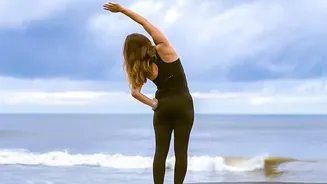
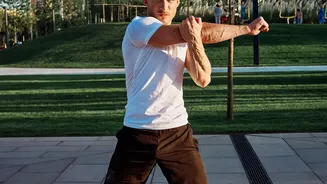
Flexibility and balance are the unsung heroes of joint health. Tight muscles can limit your range of motion and increase strain on your joints. Gentle stretching helps lengthen your muscles, improve blood flow, and keep your joints lubricated and moving smoothly. Activities like yoga and tai chi are particularly beneficial because they combine stretching, balance, and controlled movements. Chair yoga is an excellent modification for those who need extra support. Even a few minutes of daily stretching can make a significant difference, reducing stiffness and enhancing mobility over time. Think of it as essential maintenance for your body, helping to prevent injury and keep you moving comfortably.
How to Create Your Sustainable Routine
The best exercise routine is one you can stick with. Start smaller than you think you need to; consistency is far more important than intensity. Aim for just 10–20 minutes a few times a week, and gradually increase the duration as you feel more comfortable. Schedule your workouts like appointments to make them a non–negotiable part of your week. It’s also vital to choose activities you genuinely enjoy. If you hate the gym, don’t force it. A daily walk, a dance class, or swimming could be a better fit. Finally, listen to your body. It’s normal to feel some muscle soreness, but sharp pain is a signal to stop. On days when you feel sore or fatigued, opt for gentle movement like stretching instead of a full workout.