



Deconstructing the Data
The headline-grabbing trend comes from Yelp’s 2024 Trend Forecast, which analyses millions of searches on its platform to predict what we’ll be eating next. While the phrase “Keralan bowl” itself is a new creation, the data points to two powerful, converging
trends. First, searches for “Kerala” and its associated cuisine saw a staggering 111% increase, signalling a deep and growing curiosity for the region's unique flavours. Second, the “bowl” format continues its reign as the preferred way to eat for a generation that values convenience, health, and photogenic meals. The “Keralan bowl” is the delicious intersection of these two movements: the authentic, nuanced flavours of South India meeting the modern diner's desire for a complete, balanced meal in a single, easy-to-handle vessel.
What Exactly Is in a Keralan Bowl?
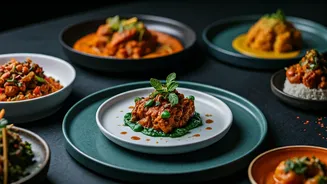
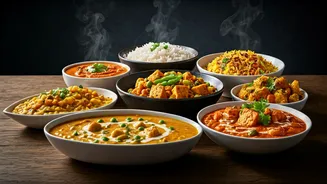
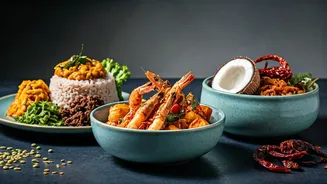
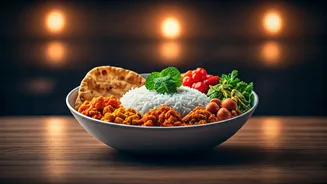
Imagine a vibrant mosaic of colours, textures, and tastes. At its base, a Keralan bowl typically features the region’s staple matta rice (a robust, nutty red rice). From there, it’s a build-your-own adventure with classic Keralan dishes. You might find a generous spoonful of avial, a thick stew of mixed vegetables in a coconut and yoghurt gravy. Alongside it could be thoran, a dry-fried dish of finely chopped vegetables like cabbage or green beans, stir-fried with grated coconut, mustard seeds, and curry leaves. For protein, options can range from a tangy fish curry (meen curry), simmered in a coconut milk and tamarind base, to a fragrant chicken stew, gently spiced with black pepper and cardamom. The final bowl is often garnished with fried shallots, more fresh curry leaves, or a crunchy papadum, creating a meal that is at once complex and comforting.
Why the Sudden Popularity?
The rise of the Keralan bowl isn’t happening in a vacuum. It’s a perfect storm of several cultural shifts. Firstly, there's the wellness factor. Keralan cuisine is inherently healthy, rich in vegetables, and uses healthy fats from coconut. Many dishes are naturally gluten-free and can be easily made vegan, ticking all the boxes for the modern health-conscious consumer. Secondly, the global palate is evolving beyond the generic “Indian food” umbrella, which has long been dominated by North Indian Mughlai dishes like butter chicken and naan. Diners are now actively seeking regional specificity, and Kerala’s distinct flavour profile—less heavy cream, more coconut, tamarind, and subtle spices—feels fresh and exciting. Finally, there's the undeniable appeal of the format. A bowl is a self-contained universe of food that promises balance, variety, and very little mess.
From Banana Leaf to Ceramic Bowl
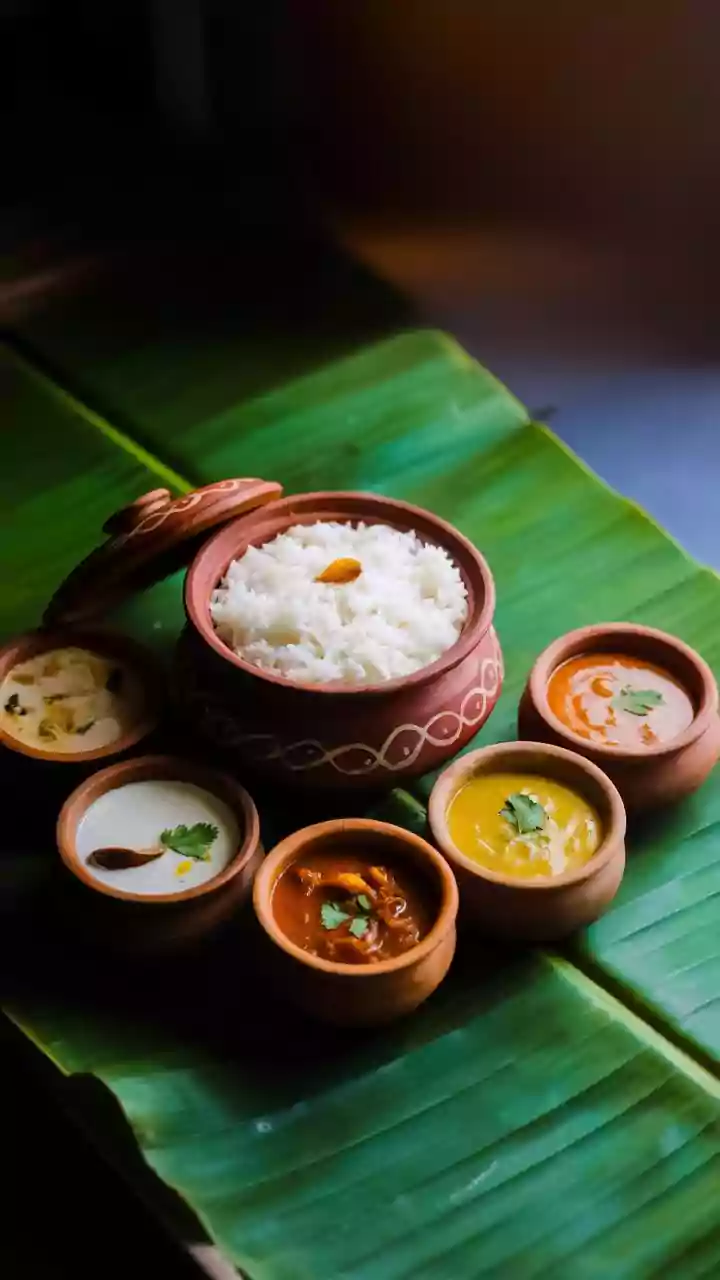
For anyone familiar with traditional Keralan dining, the “bowl” is a fascinating evolution. The quintessential Keralan feast, the sadya, is a sprawling, elaborate affair served on a fresh banana leaf, featuring dozens of small dishes that are eaten in a specific order. It’s a communal, celebratory experience. The Keralan bowl takes the spirit of the sadya—its variety, its balance of flavours—and repackages it for the fast-paced, individualistic rhythm of modern life. It’s a brilliant adaptation that honours the core components of the cuisine while making it accessible for a quick lunch or a weeknight dinner. It represents a bridge between deep-rooted tradition and the demands of a contemporary global diner, proving that authentic flavours don't need to be static; they can evolve and find new ways to shine.