








The Sweet Spot of Travel
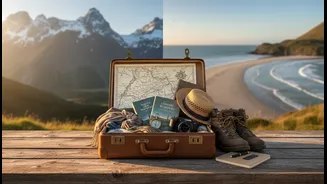
Shoulder season is the savvy traveler's secret, falling just before or after a destination's peak period. Think of Europe in May or October, when the summer masses have subsided but the weather is still pleasant and attractions remain open. This travel window
often combines the best of both worlds: more affordable flights and accommodation, and a more relaxed atmosphere. You spend less time in queues and more time soaking in the sights, allowing for a gentler pace and more meaningful interactions. Whether it's a coastal town after the summer rush or a ski resort before the holiday peak, shoulder season offers a chance to experience a place more deeply and comfortably.
The Art of Layering
The key to comfort in fluctuating weather is a smart layering system. This isn't just about throwing on a jumper; it’s a strategic approach built on three distinct levels. First is the base layer, which sits against your skin. Its job is to wick away moisture, so choose fabrics like merino wool or synthetic microfibers and avoid cotton, which traps sweat and leaves you feeling damp and cold. Next is the mid-layer, which provides insulation. This is your fleece pullover, cashmere sweater, or wool cardigan. Finally, the outer layer acts as your shell, protecting you from wind and rain. A packable, waterproof or water-resistant jacket is an essential component. This system allows you to easily add or remove pieces as conditions change, ensuring you’re prepared for a chilly morning, a warm afternoon, and a cool evening.
Your Essential Packing List
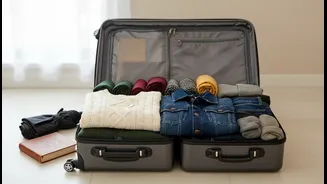
Building a versatile travel wardrobe around a neutral colour palette—like black, tan, or navy—is the most efficient way to pack. This ensures everything can be mixed and matched. Your core packing list for a week-long shoulder-season trip should revolve around this layering principle. Start with two or three base layer tops, like long-sleeve tees made from merino or a performance blend. Add one or two mid-layer pieces, such as a versatile sweater or a fleece vest. For bottoms, pack two pairs of versatile trousers or one pair of trousers and a skirt that can be dressed up or down. A single, reliable outer layer like a trench coat or lightweight waterproof jacket is crucial. For shoes, bring one comfortable walking pair and another slightly dressier option. With just a few well-chosen, high-quality items, you can create numerous outfits suitable for any weather.
Planning for a Rainy Day
A rainy forecast doesn't have to derail your plans. The trick is to build flexibility directly into your itinerary by having appealing indoor alternatives ready. Instead of simply defaulting to a major museum, think more creatively. Research local cooking classes, explore covered food markets, or book a session at an artisan workshop. Many cities have unique attractions like immersive art experiences, independent cinemas, or even quirky venues like an archery dodgeball arena or a board game cafe. Before you leave, create a list of potential indoor activities for each area you plan to visit. Using a tool like Google Maps to pin these locations can help you pivot quickly if the weather turns. This way, a rainy day becomes an opportunity to discover a different side of your destination, not a reason to stay in your hotel room.
Building a Flexible Itinerary
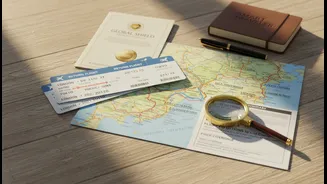
The best travel plans allow for spontaneity. Instead of scheduling every hour, think in broader blocks of time for morning, afternoon, and evening. Anchor your days with just one or two key reservations, like a dinner spot or a timed entry ticket for a must-see attraction. This leaves ample room to adapt. A flexible itinerary anticipates that things might change, whether due to weather, a recommendation from a local, or simply your energy level. By planning for both outdoor and indoor options and avoiding a packed schedule, you give yourself the freedom to enjoy the unexpected. This approach turns potential travel stress into an opportunity for discovery, ensuring a more relaxed and rewarding journey.