








Why We Feel So Lethargic
The monsoon, or 'Varsha Ritu' in Ayurveda, is a time when our digestive fire, or 'agni', is believed to be at its weakest. The high humidity and dampness in the air can slow down our metabolism, making it harder for our bodies to digest heavy, oily, and complex
foods. When we eat a plate of greasy samosas or rich curries, our digestive system has to work overtime. This diverts a significant amount of blood and energy to the stomach, leaving the rest of our body and brain feeling drained and sleepy. This post-meal slump is what we call the food coma, and it’s particularly pronounced during the rainy season.
Embrace Warm Soups and Broths
Instead of reaching for fried snacks, consider a warm bowl of soup. Soups are pre-digested to an extent, making them incredibly easy on the stomach. A light tomato shorba, a clear vegetable broth, or a flavourful rasam can be both comforting and nourishing. They help in hydration and provide essential nutrients without burdening your digestive system. Adding spices like ginger, black pepper, and a pinch of turmeric can further aid digestion and boost immunity, which is often compromised during this season.
The Goodness of Gourds
Monsoon brings with it an abundance of gourds, and for good reason. Vegetables like bottle gourd (lauki), ridge gourd (turai), pointed gourd (parwal), and even bitter gourd (karela) are light, have high water content, and are packed with fibre. They are easy to digest and help keep the system clean. A simple lauki sabzi or a light turai curry is a much better choice than a heavy paneer butter masala. These vegetables help maintain electrolyte balance and provide energy without the post-meal heaviness.
Rely on Light Grains and Lentils
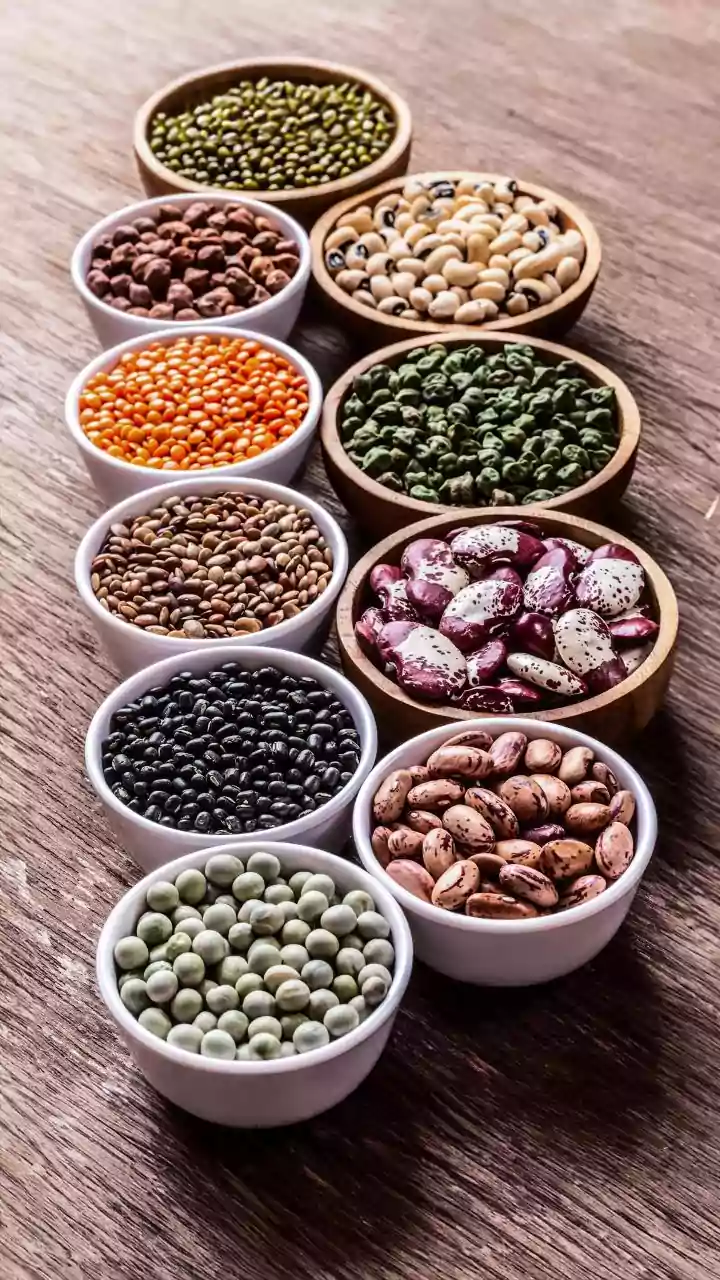
Heavy, refined flour-based foods like naan and white bread should take a backseat. Instead, opt for lighter grains like barley (jau), old rice, and millets. Moong dal, in particular, is hailed in Ayurveda as one ofthe easiest lentils to digest. A warm bowl of khichdi, made with rice and moong dal, is the ultimate monsoon comfort food. It’s a complete meal that provides protein and carbohydrates in a simple, digestible form. This one-pot wonder can be customized with vegetables and gentle spices for a wholesome meal that won’t weigh you down.
Spice It Right for Digestion
Spices are your best friend during the monsoon. They do more than just add flavour; they can actively help your weakened digestive system. Incorporate carminative and digestive spices into your cooking. Ginger (adrak), garlic (lehsun), asafoetida (hing), turmeric (haldi), coriander (dhania), and fennel seeds (saunf) are excellent choices. A cup of ginger tea can ward off colds and improve digestion, while a tadka of hing and cumin seeds in your dal can prevent gas and bloating. These simple additions can make a world of difference to how you feel after a meal.
What to Reduce (Yes, the Fried Stuff)
This is the tough part. While the heart wants what it wants, it’s wise to limit deep-fried foods. The high oil content is difficult to digest and can lead to bloating, acidity, and lethargy. Similarly, be cautious with leafy green vegetables like spinach and cabbage during this time, as the dampness can make them prone to dirt and germs. If you do have them, ensure they are washed thoroughly and cooked well. It’s also a good idea to limit dairy products like cheese and heavy creams, and avoid street food, as the risk of water-borne infections is highest during the monsoon.