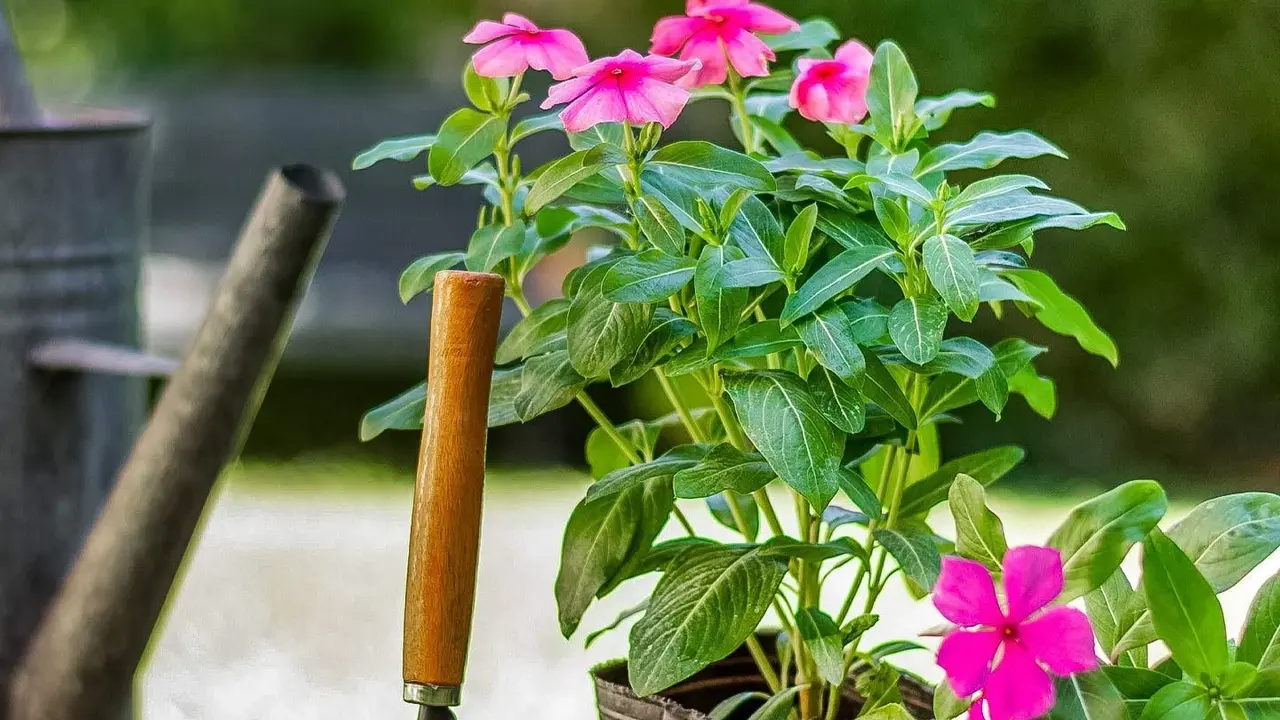






As late autumn arrives, the urge to tidy up your balcony garden can be strong. While cleaning is good, it's time to put down the heavy shears. Resisting a major prune is one of the kindest things you can do for your plants right now.
Understanding Your Plant's Autumn Slowdown
As the days get shorter
and temperatures drop, your plants get a clear signal: it’s time to prepare for winter. They enter a state of dormancy, which is like a deep sleep. During this time, they stop actively growing and instead focus on storing energy in their roots to survive the cold months. This is a crucial, natural process. Think of it as the plant conserving all its resources for a big comeback in the spring. All its energy is being drawn down from the branches and into its core and root system for safekeeping.
The Danger of Encouraging New Growth
Pruning is a stressor that signals a plant to heal and push out new growth. While that’s desirable in spring, it's a critical mistake in late autumn. A sudden trim can confuse the plant, prompting it to use its precious energy reserves to produce fresh, tender shoots and leaves. This new growth hasn't had time to 'harden off' or mature. As a result, it’s extremely vulnerable to the first hard frost, which can kill it back and cause significant damage to the plant, weakening it just when it needs to be at its strongest.
Open Wounds Invite Winter Problems
Every pruning cut is essentially a wound. In the spring and summer, plants are actively growing and can quickly seal these cuts, forming a protective layer of tissue. In late autumn, however, a plant's healing ability slows down dramatically as it enters dormancy. These open cuts become entry points for fungal diseases and pests that thrive in cool, damp winter conditions. An unhealed wound on a balcony plant, which is already dealing with the stresses of a container environment, is an open invitation for rot and infection to set in over the winter months.
Preserving Energy and Protecting From Frost
The branches and leaves that a plant holds onto through autumn are not just dead weight; they are storage units for vital nutrients. By pruning heavily in the fall, you are essentially throwing away the energy the plant has worked all summer to create and store. Furthermore, the existing network of branches provides a level of self-insulation, protecting the core of the plant from harsh winds and frost. Removing this buffer exposes more sensitive parts of the plant to cold damage. Even frost-damaged leaves can provide a small amount of insulation against subsequent cold snaps, so it’s often best to leave them until spring.
What To Do Instead: A Gentle Autumn Tidy
This doesn't mean you can't do anything. Late autumn is the perfect time for a gentle tidy_up. You can and should remove any branches that are clearly dead, diseased, or broken to prevent problems from spreading. Instead of pruning, focus on protection. Add a fresh layer of mulch to the top of your pots to insulate the roots. Grouping pots together can help them shelter each other from cold winds. If a severe freeze is forecast, you can wrap containers in burlap or an old blanket for extra warmth. The major reshaping and structural pruning can wait. The best time for that is late winter or early spring, just before the new growth begins.