




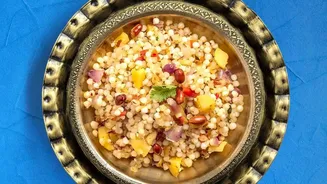

Sabudana Khichdi: The Instant Energy Booster
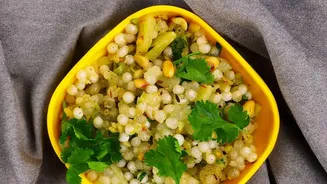
A staple in almost every household during fasting seasons, Sabudana Khichdi is more than just a tradition; it’s a powerhouse of quick energy. Made from tapioca pearls, this dish is predominantly composed of carbohydrates, which are the body's primary
source of fuel. This makes it perfect for a post-prayer meal or as a breakfast to kickstart your day, providing a rapid energy surge to keep you active. While sabudana itself is mainly starch, the dish becomes nutritionally balanced with the addition of roasted peanuts, which provide protein and healthy fats, and herbs like coriander and lemon juice that add freshness and vitamins. The key to a perfect, non-sticky khichdi lies in the soaking process; ensure the pearls are soaked just right until they are soft but not mushy. For a simple and delicious preparation, start by soaking one cup of sabudana for at least four to five hours. Heat a tablespoon of ghee in a pan, add a teaspoon of cumin seeds, a few curry leaves, and chopped green chillies. Sauté for a minute before adding a handful of roasted and coarsely crushed peanuts. Finally, add the drained sabudana, diced boiled potatoes, rock salt (sendha namak) to taste, and a squeeze of lemon juice. Mix well and cook for a few minutes until the sabudana turns translucent.
Kuttu Puris: For Sustained Strength
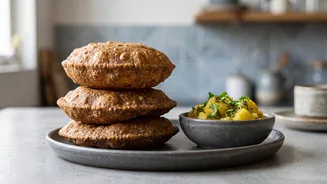
While sabudana offers a quick lift, Kuttu Puris provide long-lasting, sustained energy. Made from kuttu ka atta, or buckwheat flour, these puris are a gluten-free and nutrient-dense option for your Navratri meals. Unlike simple carbohydrates, buckwheat is a source of complex carbohydrates and fibre, which are digested more slowly. This slow release of energy helps prevent the sluggish feeling that can sometimes follow a fast, keeping you feeling full and energetic for hours. Buckwheat is also a good source of protein and essential minerals like magnesium, making it a truly wholesome choice. The dough can be a bit challenging as it lacks gluten, but the trick is to use warm water and knead it into a firm, smooth ball. To make the puris, mix one cup of kuttu ka atta with one large boiled and mashed potato, sendha namak, and a pinch of ajwain (carom seeds). Gradually add warm water to knead a stiff dough. Let it rest for 15 minutes. Then, take small portions, roll them into puris, and deep fry in hot oil until they are golden brown and crisp. These puris pair wonderfully with a simple vrat-special potato curry (aloo ki sabzi) or a cooling bowl of yoghurt.
Makhana Kheer: The Guilt-Free Indulgence
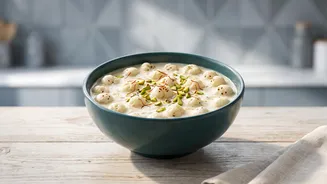
Fasting doesn't mean you have to give up on desserts. Makhana Kheer, a creamy pudding made from fox nuts, is the perfect way to satisfy your sweet cravings while sticking to your vrat regimen. Makhana, or lotus seeds, are incredibly light yet packed with nutrients. They are low in calories and fat but are a good source of protein and fibre, making this kheer a surprisingly healthy indulgence. This dessert provides a gentle energy boost without the heaviness of traditional sweets. The combination of makhana, milk, and nuts creates a rich and satisfying dish that can be enjoyed as a dessert or even a light meal on its own. To prepare this delightful kheer, start by dry roasting one cup of makhana in a pan until they become crisp. Set aside and crush half of them coarsely. In the same pan, bring four cups of full-fat milk to a boil. Add the whole and crushed makhana, a few saffron strands, and let it simmer on low heat, stirring occasionally until the milk thickens and the makhana softens. Add sugar or jaggery to your desired sweetness and a pinch of cardamom powder. Garnish with slivered almonds and pistachios before serving warm or chilled.