
The Evolution from Trend to Staple
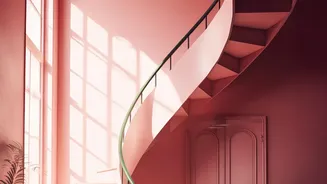
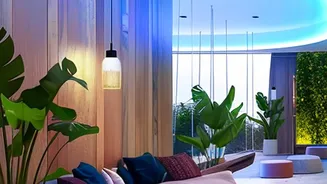
For the past few years, interior design has embraced softness, moving away from rigid, minimalist forms toward more welcoming, organic shapes. Curved sofas, arched cabinets, and round coffee tables brought a sense of calm and flow into our homes. In 2026,
this look is less a fleeting trend and more a permanent fixture in the designer’s toolkit. The rebalance means we're no longer just adding curves for the sake of it. Instead, the focus is on thoughtful integration. An entire room filled with only curves can feel unstructured and whimsical. The most sophisticated and inviting spaces now depend on the dynamic interplay between curved and linear forms to create a sense of harmony.
Achieving Balance with a Dominant Shape
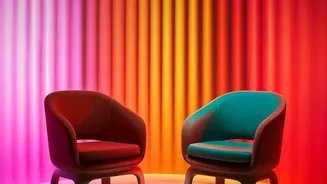
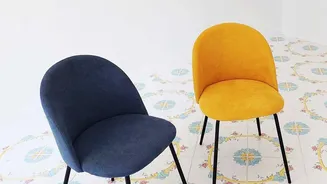
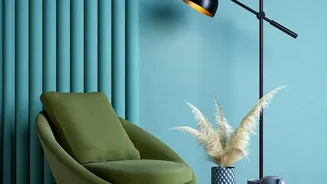
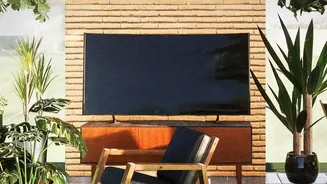
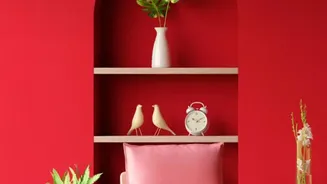
The secret to successfully mixing curves and straight lines is to avoid a 50/50 split, which can make a room feel chaotic. Instead, let one geometry lead while the other provides contrast. A good rule of thumb is to aim for a ratio where one style—either curved or linear—makes up about 70-80% of the room's main furniture pieces. For instance, anchor your living room with a strong, rectangular sofa and a linear media console. Then, introduce softness with a pair of sculptural, rounded accent chairs or a circular coffee table. This approach allows the contrasting shape to feel intentional and impactful, rather than accidental.
Create Deliberate Pairings
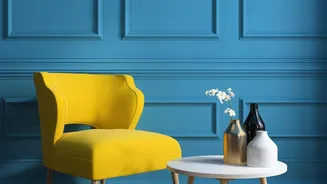
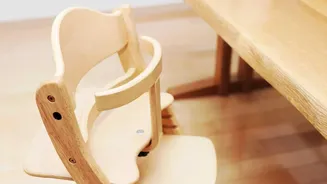
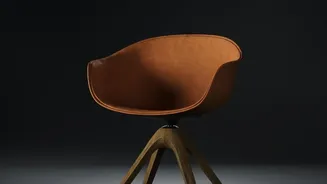
Think of mixing shapes as creating a series of small, interesting conversations throughout the room. The contrast is what makes each piece stand out. Place a statement curved sofa against a wall featuring crisp, rectangular panelling. Pair an angular, modern armchair with a soft, round ottoman. A rectangular dining table feels instantly more dynamic when surrounded by curved-back chairs. Even small details matter. An arched mirror hung above a straight-lined console table creates a beautiful focal point, balancing the structure of the table with the gentle curve of the mirror. The goal is to let the straight lines provide a grounding framework, allowing the curves to introduce softness and movement.
Use Texture and Material to Connect
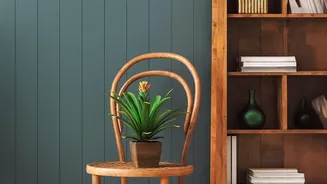
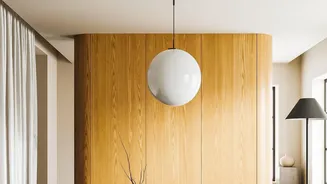
Materials and textures can act as a bridge between different shapes. Soft, tactile fabrics like bouclé, velvet, or wool naturally enhance the inviting nature of a curved sofa or chair. Pairing these plush textures with the sleekness of a metal-framed bookshelf or a stone-topped rectangular coffee table adds another layer of visual interest. Similarly, natural wood can complement both styles. The rich grain of a wooden sideboard can bring warmth that complements a curved chair, while its linear form provides structure. Don't be afraid to mix materials like leather, glass, and wood to create a rich, layered space where different forms and finishes feel cohesive.
Consider Scale and Flow
Before committing to a large curved piece, consider the room's overall size and traffic flow. A sweeping, curved sectional can look stunning, but it often requires more floor space than its linear counterpart, so be sure to measure carefully. The beauty of curves is their ability to guide the eye and improve movement through a space. Place a curved piece strategically to create a natural pathway, softening corners and making a room feel more open. In an open-plan living area, a curved sofa can cleverly delineate the lounge zone from the dining area without the need for a hard wall, maintaining a sense of connection and flow.