






The Core Principle: Devotion over Dogma
At its heart, the Janmashtami fast, or 'upvas,' is an act of devotion intended to purify the body and mind, helping a devotee focus on Lord Krishna. The Sanskrit word 'upvas' translates to 'drawing closer to the divine'. While the rules may vary, the underlying
intention is consistent: to spend the day in spiritual reflection, prayer, and remembrance of Krishna's life and teachings. The choice of fast often depends on personal health, age, family customs, and one's spiritual tradition. Ultimately, most traditions agree that the sincerity of devotion matters more than the strictness of the fast.
Smarta vs. Vaishnava: A Difference in Timing
One of the most significant distinctions arises from the Smarta and Vaishnava traditions, which sometimes results in Janmashtami being observed on two different days. Smarta followers often prioritize the Ashtami tithi (the eighth lunar day) prevailing at midnight, which is considered Krishna's birth time. Vaishnava traditions, including ISKCON, place emphasis on the Ashtami tithi that is active at sunrise. They also consider the Rohini nakshatra (constellation) to be a crucial element. This difference in astrological calculation can lead to separate dates for the festival and the fast.
Nirjala Vrat: The Most Austere Fast
The most rigorous form of fasting is the 'Nirjala' vrat, where devotees abstain from both food and water for the entire day. This demanding practice is typically undertaken by those who are in good health and have experience with such austerities. The fast usually begins at sunrise and is broken only after the midnight puja celebrating Krishna's birth, or sometimes even the next morning. Followers of ISKCON, for instance, often observe a strict fast until midnight. This practice is seen as a profound act of self-discipline and spiritual focus.
Phalahar Vrat: The Common Path
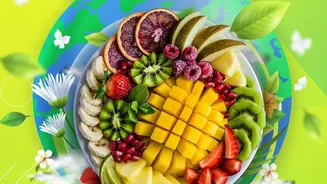
A more widely practiced and gentler option is the 'Phalahar' vrat. In this form of fasting, devotees abstain from grains, cereals, lentils, and regular table salt. However, they are permitted to consume fruits, milk and dairy products, and specific 'vrat-friendly' foods. This approach allows individuals to observe the fast without compromising their health, making it suitable for most people. It provides the necessary energy to engage in day-long devotional activities like singing bhajans and preparing for midnight celebrations.
What's on the Vrat Menu?
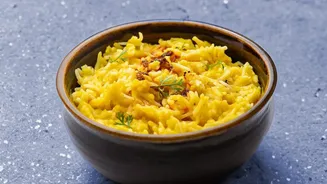
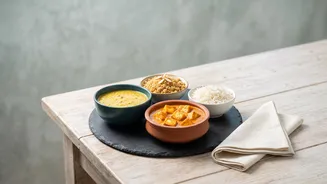
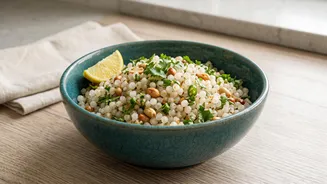
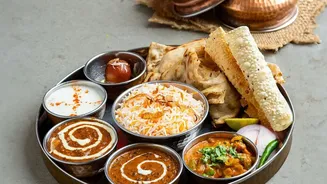
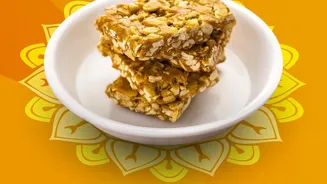
For those observing a Phalahar fast, a specific list of ingredients is permitted. This typically includes all fruits, dairy products like milk, curd, and paneer, and certain vegetables such as potatoes, sweet potatoes, and pumpkin. Grains are replaced with alternatives like Kuttu (buckwheat) flour, Singhara (water chestnut) flour, Sabudana (tapioca pearls), and Samak (barnyard millet). Regular salt is substituted with Sendha Namak (rock salt). Foods that are considered 'tamasic,' such as onion and garlic, are strictly avoided, as are non-vegetarian items and alcohol.
Breaking the Fast: The Parana
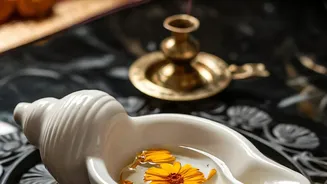
The act of breaking the fast, known as 'Parana,' is as significant as the fast itself. Many devotees break their fast after the midnight puja, once the bhog (food offering) has been made to Lord Krishna. This often involves consuming the 'prasad' from the offering. However, some traditions, particularly within Vaishnavism, dictate that the fast should only be broken the following day after sunrise, once both the Ashtami tithi and Rohini nakshatra have passed. The timing is crucial and often determined by consulting a local Panchang (Hindu almanac).