

1. Panchamrit
No Janmashtami puja is complete without Panchamrit, a sacred offering made from five key ingredients. This divine nectar symbolizes purity, strength, and sweetness. To prepare it, simply take a clean bowl and combine half a cup of raw milk, two tablespoons
of curd (yoghurt), one teaspoon of honey, one teaspoon of ghee (clarified butter), and one tablespoon of sugar. Mix these ingredients gently without whisking. You can also add a few holy basil (tulsi) leaves as a final touch before offering it. Its simplicity and deep spiritual significance make it an essential part of the festive rituals.
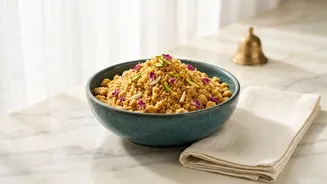
2. Dhaniya Panjiri
Dhaniya Panjiri is a unique and traditional Prasad specifically prepared for Janmashtami, often used to break the fast. Made from coriander powder, it's both aromatic and nutritious. To make it, heat a tablespoon of ghee in a pan and roast one-half cup of coriander powder on low flame until it turns fragrant and slightly changes color. In another pan, roast some chopped nuts like almonds and cashews, along with fox nuts (makhana) until they are crisp. Once the coriander powder cools, mix it with a quarter cup of powdered sugar, the roasted nuts, and some grated dry coconut. This flavourful mixture is a true festive delicacy.
3. Makhana Kheer
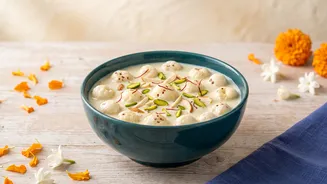
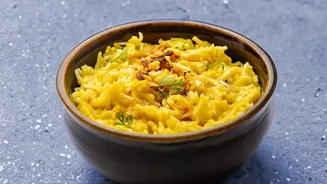
A creamy and delightful dessert, Makhana Kheer (fox nut pudding) is a popular choice for festive fasting menus. It's light, healthy, and incredibly easy to make. Start by roasting one cup of makhana in a teaspoon of ghee until they become crisp. You can lightly crush half of them to help thicken the kheer. In a separate pot, bring one litre of full-fat milk to a boil. Add the roasted makhana, a pinch of cardamom powder, and sugar to taste. Let it simmer on a low flame, stirring occasionally, until the milk thickens and the makhana softens into a creamy consistency. Garnish with slivered almonds and pistachios before serving.
4. Gopalkala (Dahi Poha)
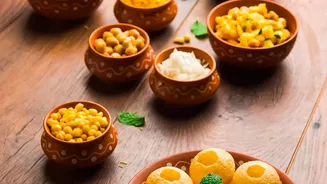
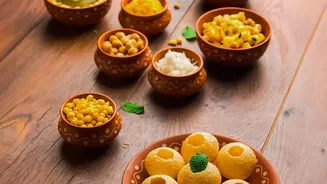
Gopalkala, also known as Dahi Poha, is a savoury and refreshing dish that is said to be one of Lord Krishna's favourites, reminiscent of his childhood antics. It's a no-cook recipe that’s perfect for a quick offering. To prepare, gently wash half a cup of flattened rice (poha) and drain the water completely. In a bowl, combine the poha with half a cup of fresh yoghurt, finely chopped cucumber, and salt to taste. Add a spoonful of grated coconut and some pomegranate seeds for texture and colour. For extra flavour, you can add a tempering of ghee, cumin seeds, and a finely chopped green chilli. Mix everything well and serve immediately.
5. Coconut Ladoo
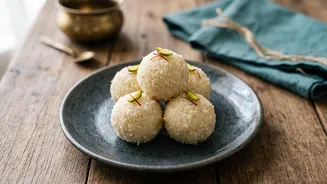
These sweet, chewy spheres are an instant hit and require very few ingredients, making them a festive favourite. The quickest way to make Coconut Ladoo is with condensed milk. In a pan, lightly roast two cups of desiccated coconut on low heat for a couple of minutes until it's fragrant but not browned. Add about half a can of sweetened condensed milk and mix well. Cook the mixture for a few minutes, stirring continuously, until it thickens and starts leaving the sides of the pan. Let it cool slightly, then grease your palms with a little ghee, take small portions of the mixture, and roll them into firm, round ladoos.
6. Rava Ladoo (Suji Ladoo)
Rava Ladoo, made from semolina (suji/rava), is another classic Indian sweet that is simple to prepare. In a heavy-bottomed pan, dry roast one cup of fine rava on low heat until it becomes aromatic and lightly golden. Set it aside to cool. Meanwhile, grind three-quarters of a cup of sugar with a few cardamom pods into a fine powder. In the same pan, heat a few tablespoons of ghee and roast a handful of cashews and raisins until golden. Add the roasted rava to the nuts, followed by the powdered sugar, and mix everything well. While the mixture is still warm, add a little warm milk, just enough to bind it together, and shape it into ladoos.