



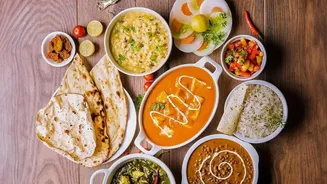

A Shift from the Standard
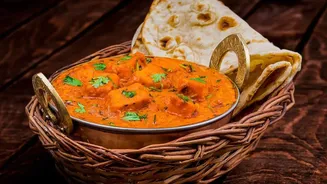
For years, contemporary Indian dining, especially during festivals, revolved around a well-known repertoire of dishes, often with roots in Punjabi and Mughlai cuisines. Ingredients like imported truffle oil and avocado were seen as markers of a premium
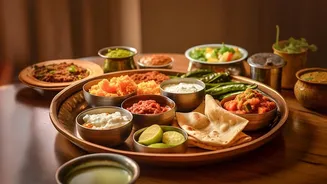
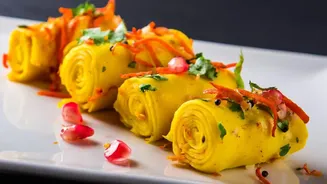
experience. However, a growing number of chefs are now challenging this norm. They are turning away from this homogenized approach and delving into the specific flavours of India's diverse states. This movement is about redefining Indian food beyond the usual butter chicken and biryani, instead celebrating the distinct ingredients and culinary traditions of various regions. The focus is shifting from imported novelty to the authenticity of what's grown locally, driven by a renewed curiosity from diners themselves.
The Champions of Terroir
Pioneering chefs are at the heart of this change, bringing hyperlocal delicacies from home kitchens to the forefront of fine dining. They are reviving forgotten recipes and showcasing ingredients that were once confined to specific communities or regions. For instance, chefs are exploring the cuisines of Kerala, where the backwaters offer fresh fish and raw mango, while the hills provide fragrant black pepper and cardamom. In Goa, restaurants are revisiting lost recipes, like hay-smoking mackerel, a tradition of the local fishing community. This trend is also amplified by independent, self-taught chefs who host pop-up dinners centered around their native cuisines, introducing a wider audience to these unique flavors.
A Pantry Reimagined
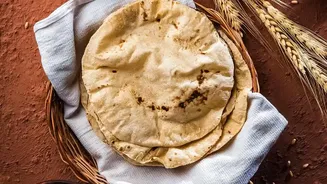
This new culinary identity is being built with a fascinating array of ingredients. Take the Gondhoraj lime from Bengal; its intense fragrance is now being used in contemporary cooking far beyond traditional kitchens. Similarly, the crunchy Sohphlang tuber from Meghalaya, with its earthy, nutty taste, is finding its way into fine dining. Forgotten spices like Kalpasi (stone flower), essential for the aroma in Chettinad cuisine, are being rediscovered for their smoky depth. Indigenous grains are also making a major comeback. Millets like ragi and jowar, once dismissed, are now celebrated in everything from flatbreads to modern salads. Even a festive Christmas feast can get a regional twist, with chefs incorporating local traditions like a Syrian Christian duck curry from Kerala or Goan pork roulade.
More Than Just a Meal
This movement is about more than just taste; it's a conscious decision towards sustainability and cultural preservation. The embrace of farm-to-table concepts, which saw a significant increase in recent years, strengthens the connection between consumers and their food's origins. By sourcing locally, restaurants support regional farmers and help preserve biodiversity, preventing unique ingredients from disappearing. This trend also has economic benefits, creating a more self-sufficient local economy and boosting culinary tourism. Reports indicate that over 90 percent of travelers are interested in culinary tours to experience authentic local flavours, making regional food a key driver for tourism.
A Return to Roots
Ultimately, this shift represents a deeper connection to heritage. For diners, it offers an experience that is both new and deeply rooted in tradition. It's an opportunity to taste the story behind the food—the geography, the community, and the history. After a period where global trends often overshadowed local ones, Indian consumers are now looking inwards, seeking products and experiences that reflect the country's own rich food heritage. The willingness to pay more for quality, transparency, and authenticity is driving this change. This isn't about rejecting global techniques; rather, chefs are using modern methods to elevate and present familiar Indian ingredients in new and exciting formats.