
The Dazzling Evening Star
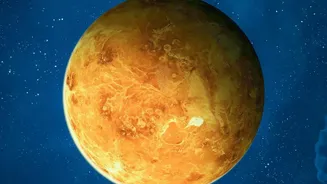
Venus is often called the "Evening Star" or "Morning Star" because it appears close to sunrise or sunset. In August 2026, it is dominating the evening sky. Thanks to its thick, reflective clouds and relative proximity to Earth, Venus shines more brightly
than any other planet or star in the night sky. Its brightness is so intense that you absolutely cannot miss it if you're looking in the right direction. This month offers a fantastic opportunity to see our planetary neighbour without any special equipment—just your own eyes.
When to Look for Venus
The best time to view Venus is in the hours just after the sun has set. Throughout August, the planet will be visible in the western sky, lingering even as the twilight fades into darkness. According to timeanddate.com, on August 21, 2026, Venus sets at approximately 9:31 PM in India, giving you a generous window to spot it after sunset. You don't need to rush; its visibility actually improves as the last rays of sunlight disappear. This viewing window will continue through September and October 2026, so you have plenty of evenings to enjoy the sight.
Where to Find It in the Sky
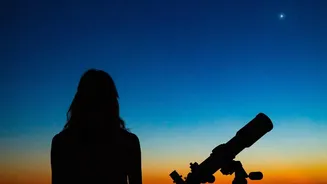
Finding Venus is simple: face the direction where the sun has just set, which is the west. As the sky begins to darken, look for the brightest point of light in that area. That’s Venus. You don't need a star map or a compass; its sheer brilliance makes it stand out. This month, Venus is located in the constellation of Virgo and is getting closer to the bright star Spica, which you may also be able to spot nearby. Just look west, and your eyes will naturally be drawn to the most brilliant object there.
Simple Tips for the Best View
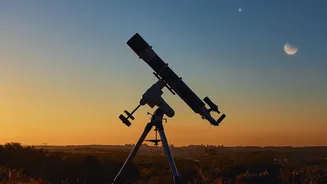
While Venus is bright enough to be seen from light-polluted cities, your experience will be even better if you can find a spot with a clear, unobstructed view of the western horizon. Getting away from the glare of streetlights and buildings will make the planet appear even more striking against the darkening sky. Give your eyes a few minutes to adjust to the darkness. Although no equipment is necessary, if you have a pair of binoculars, you might be able to see Venus as a small disc rather than just a point of light. A small telescope might even reveal its phase, similar to our moon.
Why Venus is So Special
As you gaze at its brilliant light, it's fascinating to consider what you're looking at. Venus is a world of extremes, with a crushing atmosphere and surface temperatures hot enough to melt lead. Its thick clouds of sulfuric acid are what make it so reflective and bright in our sky. Often called Earth's "sister planet" because of its similar size and composition, its environment is incredibly hostile. Interestingly, Venus also spins backward compared to most other planets in our solar system. So while it looks like a serene and beautiful point of light from here, it’s a reminder of the dynamic and diverse nature of our cosmic neighbourhood.