






The New Riverside Office
A quiet revolution is reshaping the work culture for a growing tribe of remote professionals in India. Tired of the concrete jungle and monotonous work-from-home routines, they are packing their laptops and heading for the hills. Their destination of choice
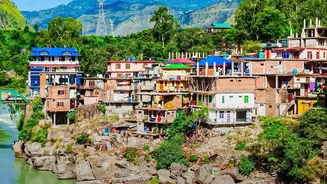
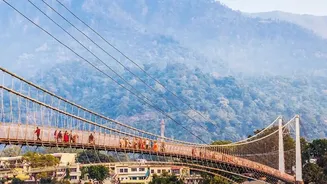
is increasingly Rishikesh, but not for a short vacation. They are settling in for 'workations' lasting weeks or even months. The epicentre of this trend can be found in the vibrant, budget-friendly hostels lining the Ganges, especially in areas like Tapovan and Laxman Jhula. Here, the definition of a workstation is redrawn to include rooftop cafes with mountain views, common areas buzzing with collaborative energy, and quiet riverside spots perfect for focused work.
More Than Just a Desk
What makes Rishikesh so compelling for this new generation of workers? The appeal goes far beyond a picturesque backdrop for Zoom calls. Traditionally known as the 'Yoga Capital of the World', the town has a deep-rooted spiritual identity that attracts those seeking more than just a job; they are looking for a lifestyle. The environment encourages a healthier work-life balance, where a day’s work can be bookended by a morning yoga session and an evening stroll to the Ganga Aarti. This unique blend of productivity and personal wellness is a key differentiator from other tourist spots, offering a chance to de-stress and reconnect while staying professionally engaged.
The Power of an Affordable Community
For many freelancers and remote employees, a major draw is affordability. The cost of living in Rishikesh is significantly lower than in India’s metro cities. Hostels offer long-stay packages that are incredibly budget-friendly, often including Wi-Fi, meals, and sometimes even laundry services, for a fraction of the cost of a city apartment. Dorm beds can be found for just a few hundred rupees a night, while private rooms remain highly economical for longer stays. But the real value lies in the built-in community. These hostels are melting pots of like-minded individuals from diverse backgrounds—coders, writers, artists, and entrepreneurs—all sharing a space and a similar journey. This fosters an environment of collaboration, networking, and genuine connection that solitary remote work often lacks.
Logistics of a Himalayan Work Hub
Of course, a successful workation hinges on practicalities, and Rishikesh's hostels have stepped up. Reliable, high-speed Wi-Fi, once a concern in the mountains, is now a standard offering in most establishments catering to digital nomads. Many hostels have designed their spaces with remote workers in mind, providing dedicated co-working areas, quiet zones, and plenty of charging points. Packages tailored for 'workationers' often bundle accommodation with amenities crucial for a productive stay. While connectivity can still vary, the infrastructure has matured to a point where maintaining a professional life from the foothills of the Himalayas is not just a dream, but a viable reality for many.