




From a Corner Mat to a Curated Space
For generations, the Indian pet lived on the periphery of the home. A designated corner with a worn-out mat, a couple of steel bowls, and perhaps a stray toy was the extent of their personal space. But a significant shift is underway. In cities like Mumbai,
Bengaluru, and Delhi, a new generation of pet parents is rethinking what it means to share a home with an animal. They are moving beyond mere accommodation to thoughtful integration. This isn't just about buying a fancier bed; it's about commissioning architects and interior designers to create homes where the needs and comforts of pets are woven into the very fabric of the design. The result is a seamless living environment that is stylish for the humans and perfectly suited for the four-legged residents.
The Rise of Pet-Centric Architecture
This trend has given rise to a niche but growing field: pet-centric interior design. Architects and design firms are no longer surprised when a client’s brief includes detailed requirements for a dog or cat. These professionals, sometimes dubbed ‘paw-chitects’, are tasked with creating spaces that are durable, safe, and aesthetically pleasing for all inhabitants. They consider everything from the animal’s size and energy levels to their daily routines. The conversations now include questions like, 'Where will the dog's afternoon nap spot be?' or 'How can we create a vertical playing area for the cats that doesn't clash with the living room decor?' This bespoke approach signifies a deep cultural change, where a pet's well-being is considered as vital as any other family member's.
Designing for Four Paws: What It Looks Like
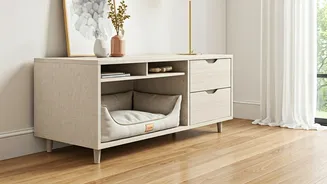
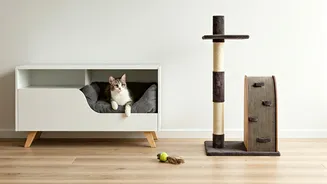
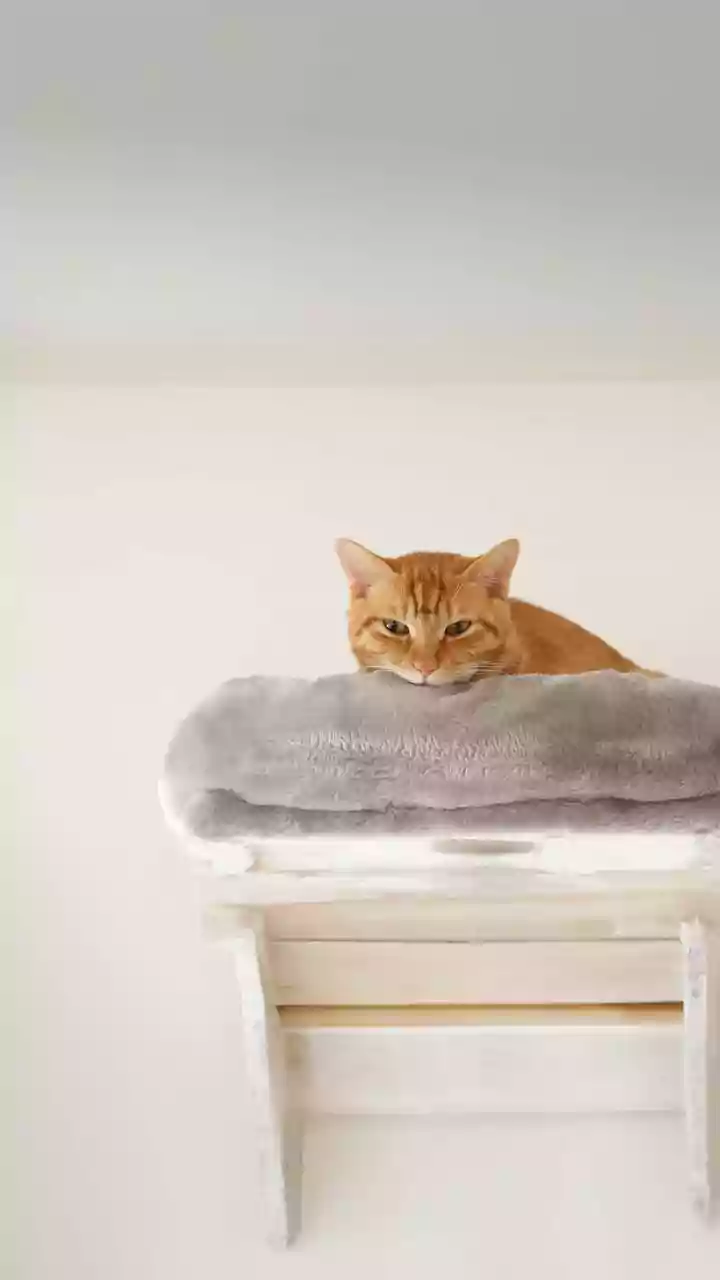
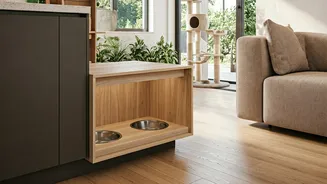
So, what does a pet-friendly design ‘glow-up’ actually entail? It’s a mix of clever customisation and smart material choices. For flooring, goodbye to porous marble that stains easily and hello to durable, scratch-resistant vitrified tiles or high-quality laminate. Upholstery is another key area; designers are opting for performance fabrics that are resistant to claws, stains, and fur. We're seeing custom-built furniture like cosy kennels built into the space under a staircase, elegant feeding stations integrated into kitchen cabinetry to avoid spills, and dedicated ‘pet spas’—tiled, low-height shower areas with handheld sprays for easy bathing. For cat owners, this might mean stylish wall-mounted shelves and perches that double as modern art, providing essential vertical stimulation.
More Than Luxury, It's About Empathy
While some of these features sound luxurious, the driving force isn't just extravagance. It's about empathy and practicality. Designers are also focusing on safety and health. This includes selecting non-toxic indoor plants, ensuring there are no loose wires for chew-happy puppies, and designing furniture with rounded edges to prevent injuries. The layouts are also planned for better flow, ensuring an energetic Labrador has room to move without constantly knocking over a vase. This trend is particularly strong among millennial and Gen Z pet owners, as well as DINK (Double Income, No Kids) households, where pets often fill the role of children. They are investing time and resources to provide the best possible quality of life for their companions, and a well-designed home is a huge part of that.