


Think Vertically, Not Horizontally
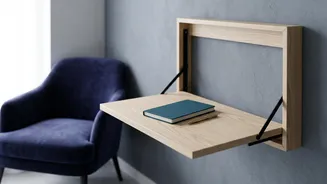
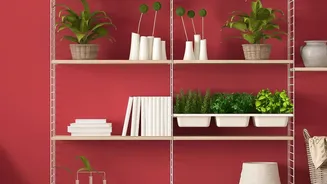
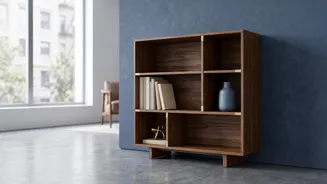
When floor space is a premium, the only way to go is up. Your walls are often underutilised assets in the quest for an organised home. Instead of another bulky cabinet, consider installing tall, narrow shelving units that draw the eye upward, making the room
feel taller. Floating shelves are another excellent option, providing storage for books, plants, and decor without consuming any floor space. This approach not only frees up valuable room for movement but also adds architectural interest to an otherwise blank wall.
Invest in Double-Duty Furniture
In a small living room, every piece of furniture should earn its keep. Multipurpose furniture is a non-negotiable for smart, compact living, especially in Indian cities where apartment sizes are often modest. Think of a coffee table that has hidden storage for blankets and magazines, or an ottoman that serves as a footrest, extra seating, and a place to stash away clutter. A sofa that converts into a bed can instantly turn your living area into a guest room when needed. This strategy allows you to have fewer individual items, which is the key to creating a visually larger and less crowded space.
Use Mirrors to Create an Illusion of Space
It's a classic trick for a reason: mirrors are masters of illusion. A large, well-placed mirror can make a room feel significantly larger and brighter. For maximum effect, position a mirror on a wall opposite a window. This will reflect natural light throughout the space, amplifying it and creating a sense of openness. A tall, leaning mirror not only adds a decorative touch but also enhances the verticality of the room, tricking the eye into perceiving a higher ceiling. It’s a simple addition that delivers a major spatial return.
Choose 'Lighter' Furniture
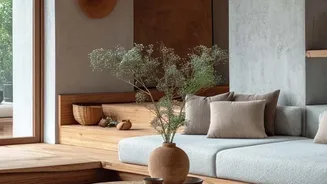
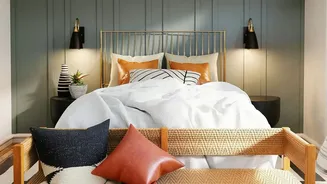
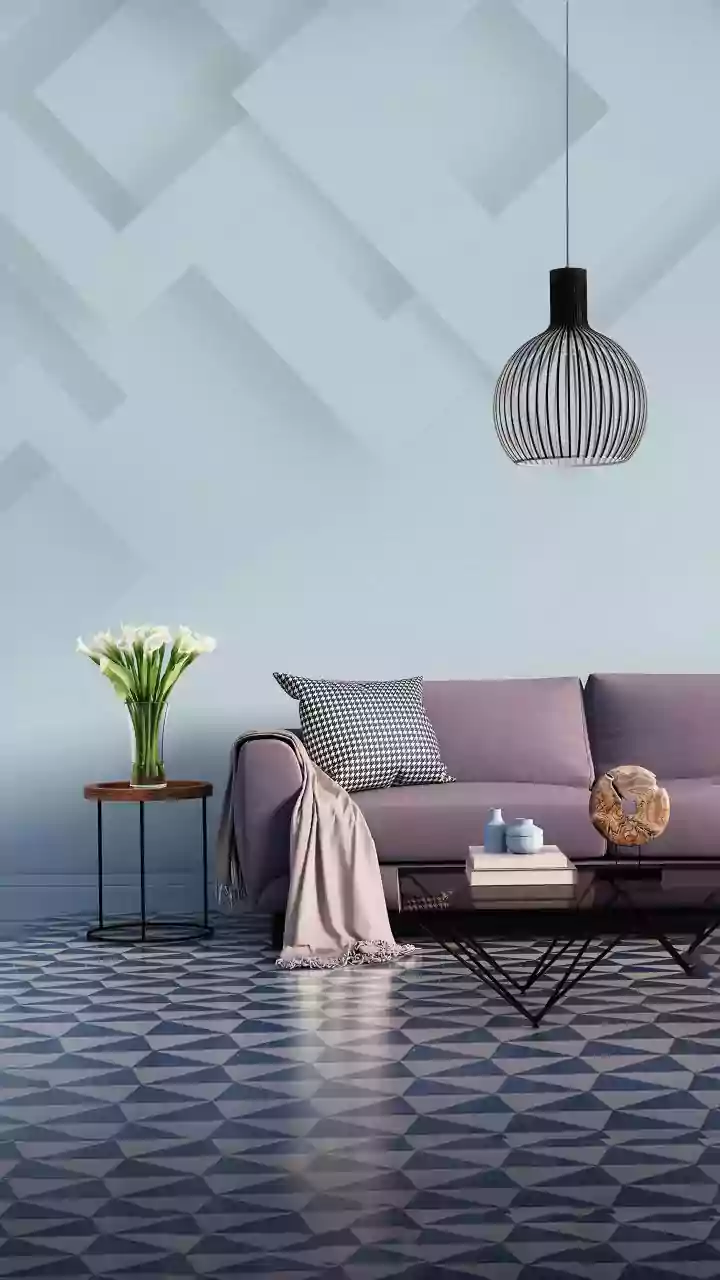
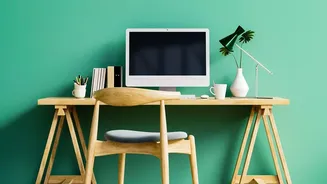
The physical weight of your furniture isn't the issue, but its visual weight is. Bulky, heavy-looking furniture that sits directly on the floor can make a room feel grounded and cramped. Instead, opt for pieces with exposed legs, like a sofa or armchair on slender legs. This creates a sense of openness by allowing you to see more of the floor, making the room appear more spacious. Similarly, furniture made of light-coloured wood or pieces with glass elements, like a glass coffee table, feel less imposing and contribute to a lighter, airier atmosphere.
Curate and Contain Your Decor
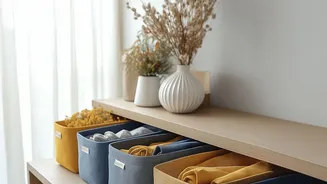
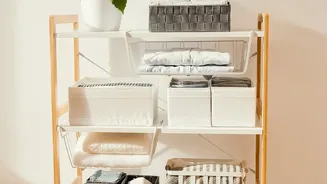
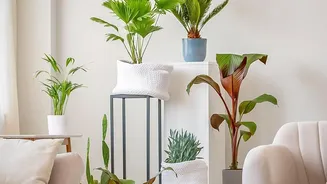
A minimalist vibe doesn't mean a complete absence of personality. It means being intentional with your decor. Instead of displaying a multitude of small knick-knacks, which can look like clutter, group items together. A collection of small plants looks more impactful on one tray than scattered around the room. When it comes to everyday items like remote controls, magazines, or children's toys, containment is key. Use stylish woven baskets or decorative bins to keep these items out of sight but still easily accessible. This instantly reduces visual noise and makes the room feel more serene.
Adopt the 'One In, One Out' Rule
Once you've decluttered, the real challenge is maintaining it. A simple but highly effective strategy is the 'one in, one out' rule. Every time you bring a new item into your living room — whether it's a new cushion, a book, or a piece of decor — an old one must go. This prevents the slow but steady accumulation of stuff that leads to clutter in the first place. It forces you to be a more conscious consumer and regularly evaluate what truly deserves a place in your carefully curated space, ensuring your living room remains the open, organized oasis you worked to create.