



More Than Just Packing Leftovers
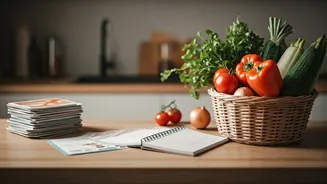
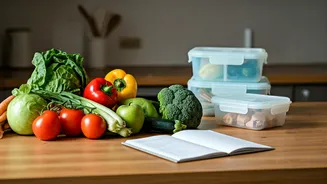
At its core, 'meal prep' is the simple act of preparing dishes or ingredients in advance to be eaten later. This isn't about packing last night's sabzi for lunch. It’s a deliberate, almost strategic, approach to food. It involves planning a week's menu,
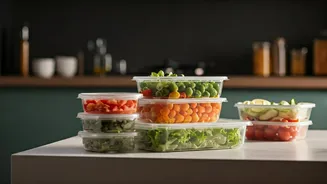
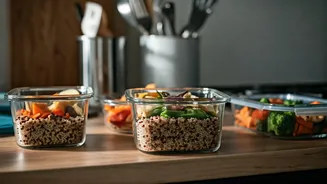
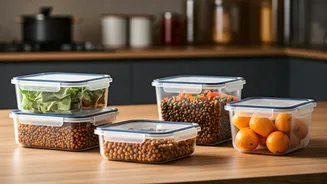
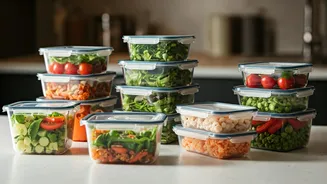
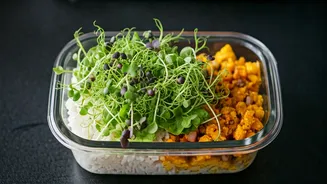
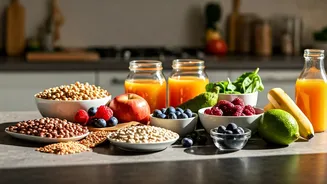
shopping for specific ingredients, and dedicating a few hours—typically on a Sunday—to cook, chop, and portion everything into a neat stack of containers. The goal is to create a 'grab-and-go' system for the busy week ahead, eliminating the daily scramble of deciding what to cook or the temptation to order unhealthy takeaway. It’s the culinary equivalent of laying out your clothes the night before, but for your entire week's nutrition.
From Fitness Niche to Social Media Star
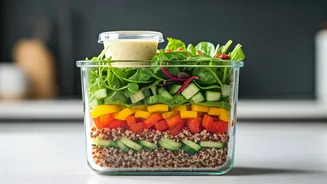
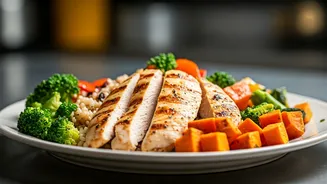
For years, meal prepping was associated almost exclusively with bodybuilders and elite athletes who needed to meticulously control their macros—protein, carbs, and fats. Their Tupperware collections filled with grilled chicken, broccoli, and brown rice were a symbol of extreme discipline. Then came social media. Platforms like Instagram and Pinterest transformed meal prep from a functional chore into an aspirational aesthetic. The hashtag #mealprep revealed a world of colourful, organised, and beautiful boxes of food. Suddenly, it wasn't just for gym rats; it was for anyone who wanted to signal that they were organised, healthy, and in control of their life. The visual appeal of a perfectly stocked fridge became a new kind of status symbol.
The Indian Adaptation: Beyond Dabbas
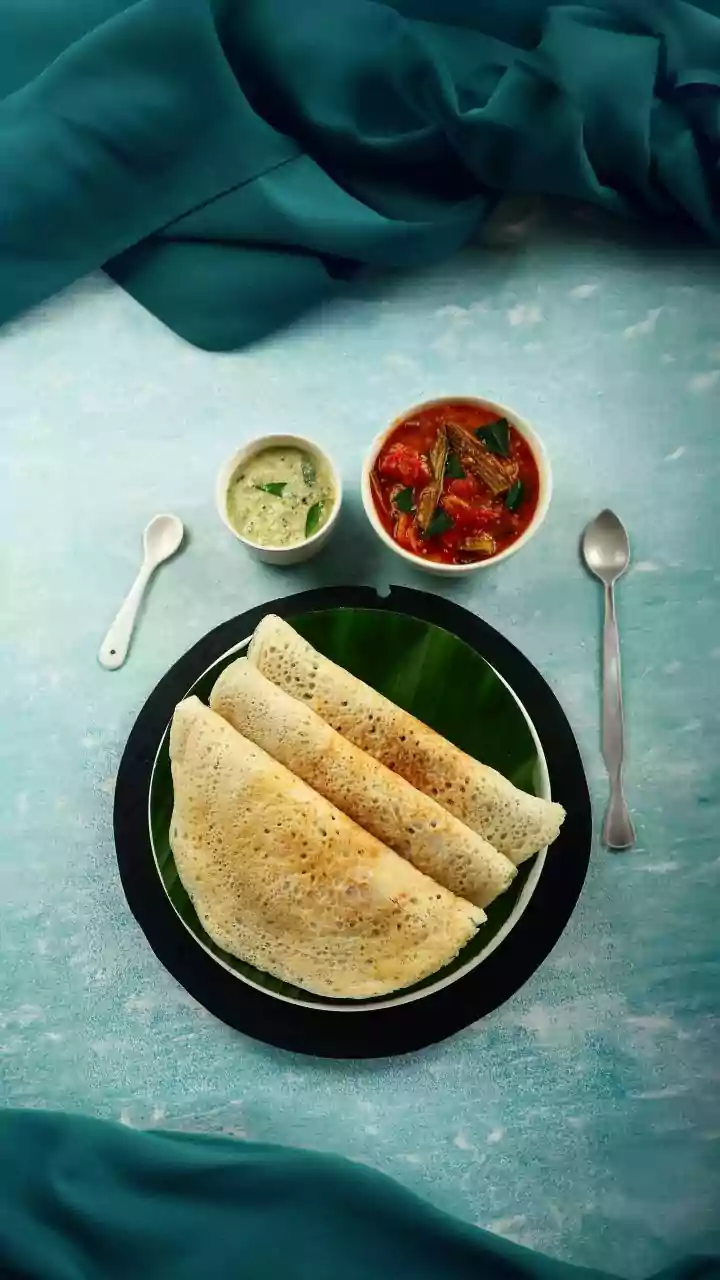
While India has a long and storied tradition of packing meals in tiffins or dabbas, modern meal prep is a distinct evolution. It’s less about packing a single, freshly cooked lunch and more about systematising the entire cooking process. In the Indian context, this doesn't mean a week of bland boiled vegetables. Instead, it’s being cleverly adapted to our cuisine. A Sunday prep session might involve making a large batch of versatile onion-tomato masala that can form the base for multiple curries. It could mean boiling chickpeas for chole, lentils for dal, and chopping a week’s worth of vegetables for quick stir-fries. People are prepping batters for dosas and idlis, making and freezing chutneys, and even portioning out spice mixes to save precious minutes on busy weekday mornings. It’s about applying a modern system to traditional tastes.
Why Now? The Drivers of the Trend
The explosion of meal prep in urban India is no accident. It's a direct response to the pressures of modern life. As cities expand and commute times grow, the time available for daily cooking shrinks. Simultaneously, there's a heightened awareness around health and wellness, partly accelerated by the pandemic. People are more conscious of ingredients, oil usage, and hygiene, making them wary of relying solely on restaurants and food delivery apps. For working professionals, especially in households where both partners work, meal prep offers a trifecta of benefits: it saves time, controls expenses, and ensures a healthy, home-cooked meal is always an option. It's a practical solution to the eternal question: 'What's for dinner?'
The Burgeoning Business of Prep
Where there is a trend, a market is sure to follow. The rise of meal prep has spawned a thriving ecosystem of products and services. Supermarkets now offer aisles of pre-chopped vegetables, peeled garlic, and grated coconut. An entire industry has emerged around high-quality, leak-proof, and microwave-safe containers. Beyond the home kitchen, a new wave of startups and cloud kitchens has appeared, offering subscription-based services that deliver pre-portioned, macro-counted meals right to your doorstep. These services cater to a growing demographic that wants the benefits of meal prep without the effort of the preparation itself, bridging the gap between home cooking and ordering out.