



The 2026 Millet Mandate
First, let's be clear: 2026 is not a magical year with a specific idli-related event. Rather, think of it as a symbolic horizon. The United Nations' International Year of Millets in 2023 was a fantastic starting pistol, sparking conversations about these
ancient superfoods. Government initiatives and a surge in consumer awareness have followed, creating the perfect conditions for a culinary shift. By 2026, this momentum should translate into tangible changes on our plates. The opportunity is to move millets from a niche 'health food' category into the delicious, everyday mainstream. For restaurants, this is no longer a question of 'if' but 'when'. The groundwork has been laid; the demand is growing. The next two years represent a crucial window to innovate before playing catch-up.
Why Idli Is the Perfect Canvas
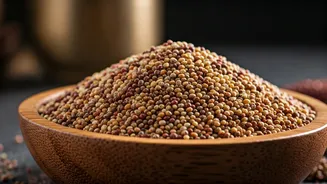
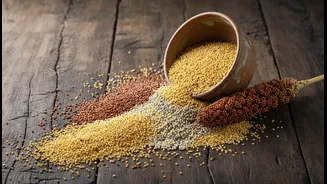
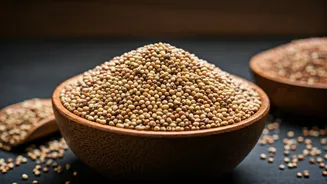
Of all the dishes in the Indian culinary lexicon, the idli is uniquely positioned to lead this change. Its identity is built on health; it is steamed, not fried, and its fermented batter is naturally good for gut health. This makes it a natural partner for nutritious millets like ragi, jowar, bajra, and foxtail millet. Unlike other dishes where a change of grain might feel jarring, the fundamental process of making idli—soaking, grinding, fermenting, and steaming—works beautifully with millets. Furthermore, idli is a beloved staple across the entire country, transcending regional boundaries. Introducing millet idlis is not about replacing the classic rice version that everyone loves. It's about expanding the family, offering diners a spectrum of flavours, textures, and nutritional benefits under a familiar and trusted format.
Stuck in a Rice-and-Lentil Rut
Despite this huge potential, walk into a majority of South Indian restaurants today, from quick-service Udupi joints to fine-dining establishments, and the idli section of the menu is often a study in stagnation. You will find the standard idli, and if you are lucky, perhaps a rava idli or a 'thatte idli'. While other parts of the menu, from dosas to main courses, have seen waves of experimentation, the humble idli is frequently overlooked. We see flashes of innovation with things like 'idli burgers' or 'detox idlis', but these are often fleeting trends rather than a meaningful evolution of the core offering. This represents a failure of imagination. In a food landscape where consumers are actively seeking regionality, authenticity, and healthier options, sticking to a single, decades-old idli recipe is a missed connection.
A Menu for the Near Future
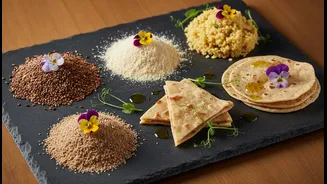
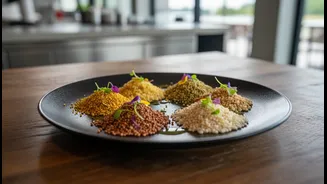
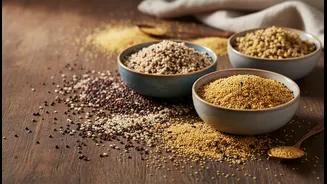
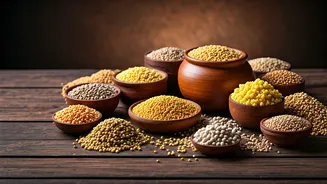
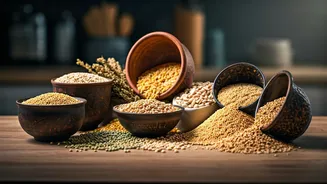
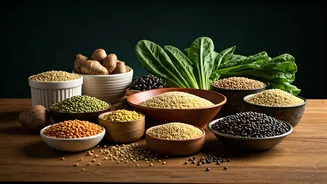
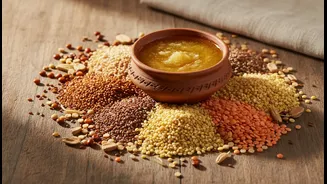
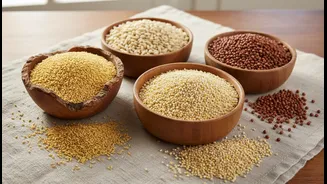
So, what could an idli menu in 2026 look like? Imagine an 'Idli Tasting Platter'. It could feature a classic, pillowy rice idli sitting alongside four or five mini-idlis, each showcasing a different millet. There could be a deep, earthy Finger Millet (ragi) idli; a subtly nutty Foxtail Millet (thinai) idli; a hearty Sorghum (jowar) idli; and a slightly coarse Pearl Millet (bajra) idli. Each variant would offer a unique taste, texture, and colour, turning a simple breakfast into an exciting culinary exploration. Restaurants could pair these with chutneys and sambars designed to complement the specific character of each millet. This isn't just a health-conscious novelty; it's a gourmet experience waiting to happen, celebrating the diversity of India’s indigenous grains.
More Than Just a Food Trend
Embracing millet idlis is about more than just sprucing up a menu. It’s a decision that echoes with wider significance. It supports farmers cultivating these climate-resilient crops, which require less water and fewer inputs than rice and wheat, promoting agricultural biodiversity and sustainability. It aligns with a growing consumer desire for food that tells a story—of provenance, of wellness, and of a return to roots. By putting a spotlight on millets, restaurants become active participants in a larger movement that champions local food systems, celebrates Indian agricultural heritage, and offers a tangible solution to modern dietary and environmental challenges. It is a powerful statement that a restaurant cares not only about flavour, but about the future of our food.