





As winter arrives, the vibrant, slightly bitter flavour of methi (fenugreek leaves) graces Indian kitchens. This seasonal hero is not just delicious but also packed with benefits, making it a staple in comforting, everyday meals.
The Quintessential Winter Green
Methi is a star of the
winter vegetable basket for good reason. Traditionally, it's believed to provide warmth to the body, making it ideal for the colder months. Beyond folklore, fenugreek leaves are a powerhouse of nutrients, including fibre, vitamin C, iron, and magnesium. Modern studies suggest they can aid in digestion, help manage blood sugar levels, and offer anti-inflammatory benefits. This combination of flavour and function makes it a wise and tasty addition to your winter diet.
Prepping Methi: A Quick Guide
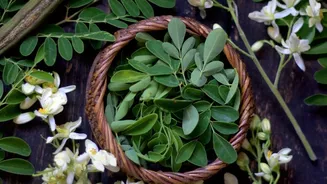
The most time-consuming part of cooking with fresh methi is the prep work, but it doesn't have to be a chore. First, separate the leaves from the thick, fibrous stems, as the stems can be quite bitter. An easy hack is to hold a bunch of stalks and pull them through the holes of a grater, which strips the leaves off quickly. Once you have the leaves, rinse them thoroughly in a large bowl of water a few times to remove all grit and dirt. Pat them dry before chopping and using.
Taming the Bitterness
Methi's characteristic bitterness is prized by many, but it can be overpowering if not handled correctly. The easiest way to reduce it is to sprinkle the chopped leaves with salt and let them sit for about 15-20 minutes. The salt draws out the bitter juices, which you can then squeeze out and discard before cooking. Blanching the leaves in hot water with a little lemon juice for a minute or two also works wonders. Pairing methi with ingredients like potatoes, cream, jaggery, or tomatoes can also help balance its flavour beautifully.
Classic Breakfasts: Parathas and Theplas
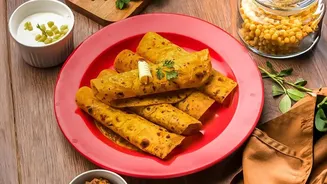
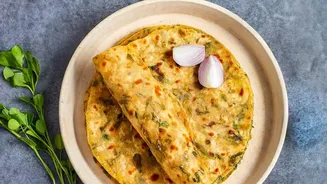
One of the most beloved ways to enjoy methi is in flatbreads. Methi Parathas are a North Indian winter breakfast staple, where chopped leaves are kneaded into whole wheat dough with spices before being rolled out and cooked with ghee. In Gujarat, Methi Thepla is a similar, thinner flatbread that often includes gram flour (besan) and yoghurt in the dough, making it soft and flavourful. Both are perfect for a hearty start to the day and pack well for lunchboxes.
Hearty Curries and Sabzis
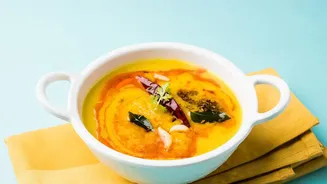
Fresh methi leaves add a wonderful complexity to main courses. Aloo Methi, a simple dry stir fry of potatoes and fenugreek leaves, is a quick and comforting dish found in many homes. For something richer, Methi Matar Malai is a restaurant favourite, combining the leaves with green peas in a creamy, cashew based gravy. You can also make a flavourful Methi Chicken curry, where the slight bitterness of the leaves is balanced by yoghurt and tomatoes. Even adding a handful of chopped methi to your everyday dal can elevate it instantly.
Beyond the Main Course: Snacks and Seeds
Don't limit methi to just sabzis and rotis. The leaves can be mixed into a gram flour batter to make crispy Methi Pakodas (or Bhajiyas), a perfect tea time snack on a chilly evening. For a different flavour profile, don't forget other forms of fenugreek. Dried leaves, known as Kasuri Methi, are used as a finishing herb, crushed and sprinkled over rich curries like Butter Chicken to add an unmistakable aroma. Fenugreek seeds (Methi Dana) are used sparingly in tempering (tadka) for dals and pickles, adding a nutty, slightly bitter undertone.