




A Major Celestial Event
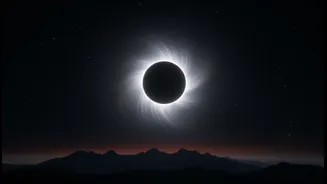
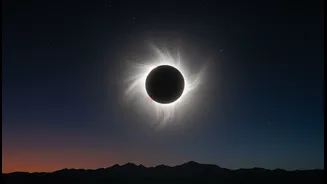
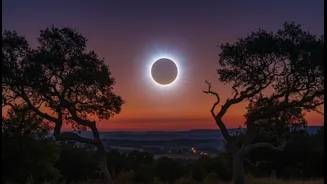
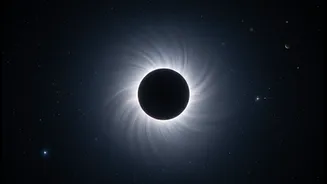
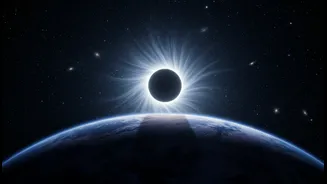
The 2026 total solar eclipse is one of the most anticipated astronomical events of the decade. On this day, the Moon will pass directly between the Sun and Earth, casting a deep shadow that temporarily darkens the sky. The path of totality—where the Sun will be completely
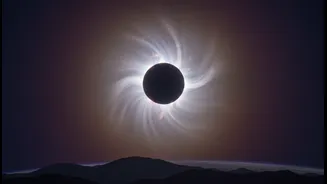
obscured—will sweep across parts of the Arctic, Greenland, Iceland, and notably, over northern Spain. For observers in these specific locations, day will turn into an eerie twilight, and the Sun's magnificent corona will become visible to the naked eye. While India is not in the path of totality, the event still holds significance. Much of the country, along with the rest of Europe, northwest Asia, and northern Africa, will witness a partial solar eclipse, where the Moon covers a portion of the Sun. The percentage of the Sun obscured will vary depending on your location, but the need for proper viewing techniques remains universal.
Why Preparation Is Non-Negotiable
You cannot simply walk outside and look up at a solar eclipse. Staring directly at the Sun, even when it is partially covered, can cause severe and permanent eye damage, a condition known as solar retinopathy. Regular sunglasses, no matter how dark, are completely insufficient for this task. The danger is that the process is painless, and you may not notice the damage until it is too late. Beyond personal safety, a lack of planning can lead to a frustrating experience. Major eclipses often attract large crowds, leading to traffic jams and packed viewing spots. Accommodation in prime viewing areas, like northern Spain, was booked months, if not years, in advance. Without a checklist, you risk missing the peak moment while scrambling for a safe way to see it or being stuck in a location with an obstructed view. Preparation ensures you can relax and fully immerse yourself in the wonder of the moment.
Your Essential Eclipse Checklist
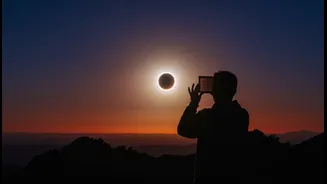
To ensure a seamless and safe experience, whether you are in a zone of totality or partial eclipse, use this guide. First and foremost is eye protection. You must acquire certified solar eclipse glasses or handheld solar viewers. Ensure they meet the ISO 12312-2 international safety standard. Alternatively, you can build a pinhole projector, which is a simple and safe way to project an image of the Sun. Next, plan your location. Even for a partial eclipse, find a spot with a clear, unobstructed view of the sky. Check the weather forecast and have a backup location in mind. Arrive early to claim your spot and settle in. Pack for comfort. This includes water, snacks, sunscreen, and a hat, as you may be in the sun for several hours leading up to the eclipse. A portable chair or blanket can make the wait much more comfortable. Finally, if you plan to photograph the event, your camera, telescope, or binoculars will also need a certified solar filter. Do not attempt to photograph the Sun through a standard lens without this protection, as it can damage your equipment and your eyes.
How to Watch from India
For viewers in India, the August 12, 2026, event will be a partial solar eclipse, visible in the hours closer to sunset. The farther west you are, the better your view will be. Cities in Gujarat and Rajasthan will experience a more significant eclipse than those in the east. To find the exact timing and degree of obscuration for your specific city, consult online resources from organizations like the Astronomical Society of India or international bodies like NASA. Many local science centres, planetariums, and astronomy clubs are likely to host public viewing events. These are excellent options as they provide access to safely filtered telescopes and expert guidance. If you are unable to view the eclipse directly, numerous organisations will be livestreaming the total eclipse from its path of totality in Spain and elsewhere. This allows you to experience the awe of totality from anywhere in the world, complete with expert commentary.