




The Digital Feed vs. The Dinner Plate
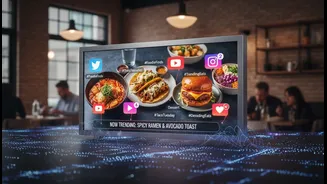
In 2026, India's food discovery journey no longer starts with a friend's recommendation or a critic's review; it begins with a scroll. Platforms like Instagram have become the country's new food search engine, where short-form videos of cheese pulls,
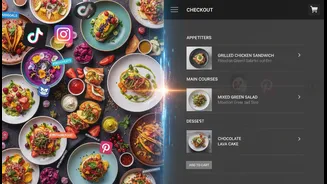
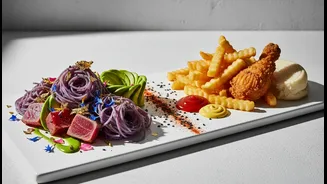
sizzling street food, and aesthetic desserts dictate what's hot. Consumers, especially Gen Z, now often choose where to eat based on what looks good online, a phenomenon dubbed the 'camera eats first' culture. This has created a distinct 'social-to-menu' gap: a lag between the dishes going viral online and their availability in brick-and-mortar restaurants. Trends like Japanese-style sandos, regional micro-cuisines, and global fusion concepts can explode in popularity overnight, leaving diners hungry for experiences they can't easily find.
Why Restaurants Struggle to Keep Up
For a traditional restaurant, agility is a luxury. Adopting a viral trend is not as simple as recreating a 30-second video. The challenges are operational and deeply embedded in their business model. Firstly, there's the supply chain. Sourcing new, often exotic, ingredients at scale for multiple outlets consistently is a logistical nightmare. Secondly, menu engineering is a deliberate process. A restaurant menu is a carefully balanced machine, factoring in food costs, kitchen workflow, and brand identity. Introducing a trendy but potentially fleeting item is a significant risk. Staff must be retrained, equipment may need to be updated, and there's no guarantee the trend will last long enough to justify the investment. While smaller, independent cafes can often pivot faster, larger chains face logistical hurdles that make rapid innovation difficult. The product development cycle, which once took months, is now under pressure to deliver in weeks, a pace most kitchens are not built for.
The Packaged-Food and D2C Advantage
This gap, however, has created a massive opportunity that a new breed of businesses is perfectly positioned to exploit: direct-to-consumer (D2C) and agile packaged-food companies. Unburdened by the overheads of a physical dining space, these brands can be far more nimble. They can capture the essence of a trend—a flavour, an ingredient, a concept—and translate it into a scalable product like a sauce, a ready-to-eat meal, or a snack. Think millet-based versions of classic snacks or artisanal dips inspired by global flavours. These companies leverage social media for marketing and quick commerce platforms for distribution, allowing them to launch, test, and scale new products with incredible speed. For them, a viral trend is not a risky menu addition but a targeted marketing campaign with a clear, measurable product. This D2C food sector in India is experiencing explosive growth, reflecting a structural shift in how consumers discover and buy food.
Ghost Kitchens: The Hybrid Innovators
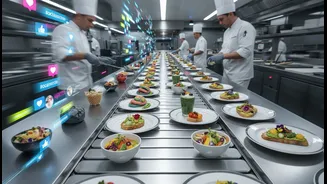
Bridging the gap between traditional restaurants and D2C brands are ghost kitchens, also known as cloud kitchens. These delivery-only operations are rewriting the rules of restaurant innovation. Without the need for a dining room or front-of-house staff, ghost kitchens operate on a leaner, more cost-effective model, allowing them to experiment aggressively. A single ghost kitchen can run multiple virtual brands, each targeting a different trend or cuisine, from Behrouz Biryani to Faasos. This model allows operators to launch a new concept based on a trending dish in weeks, not months. They can use data analytics to track consumer preferences in real-time and adapt their menus on the fly. This makes them highly responsive to the rapid-fire pace of social media trends, effectively turning online buzz into tangible, deliverable meals.
The New Rules of Food Innovation
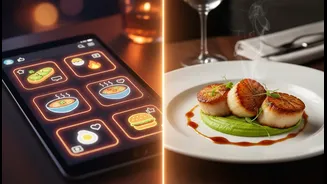
The social-to-menu gap isn't a sign that restaurants are failing; it's a sign that the industry is specializing. In this new landscape, different players have different roles. Social media acts as the discovery and trend-setting engine. Packaged-food and D2C brands are the sprinters, quickly capitalizing on fleeting trends and niche demands for convenience and health. Ghost kitchens are the flexible adaptors, testing new concepts with minimal risk. This leaves traditional restaurants to play the role of marathon runners, focusing on what they do best: creating reliable, high-quality dining experiences built on a stable core menu. Innovation for them is becoming less about chasing every viral fad and more about enhancing the core experience through technology, ambience, and impeccable service.