





A Sip of Summer Nostalgia
Walk into many urban cafes today, and you might notice something different on the beverage menu, nestled between the cold brews and the matcha lattes. Bright purple and deep red coolers, vibrant and inviting, are signalling a quiet revolution. These are not made
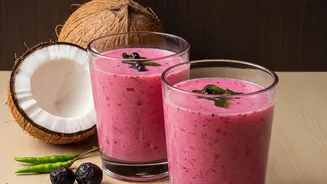
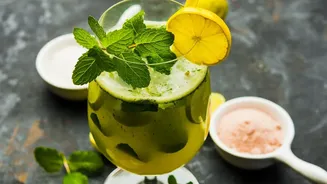
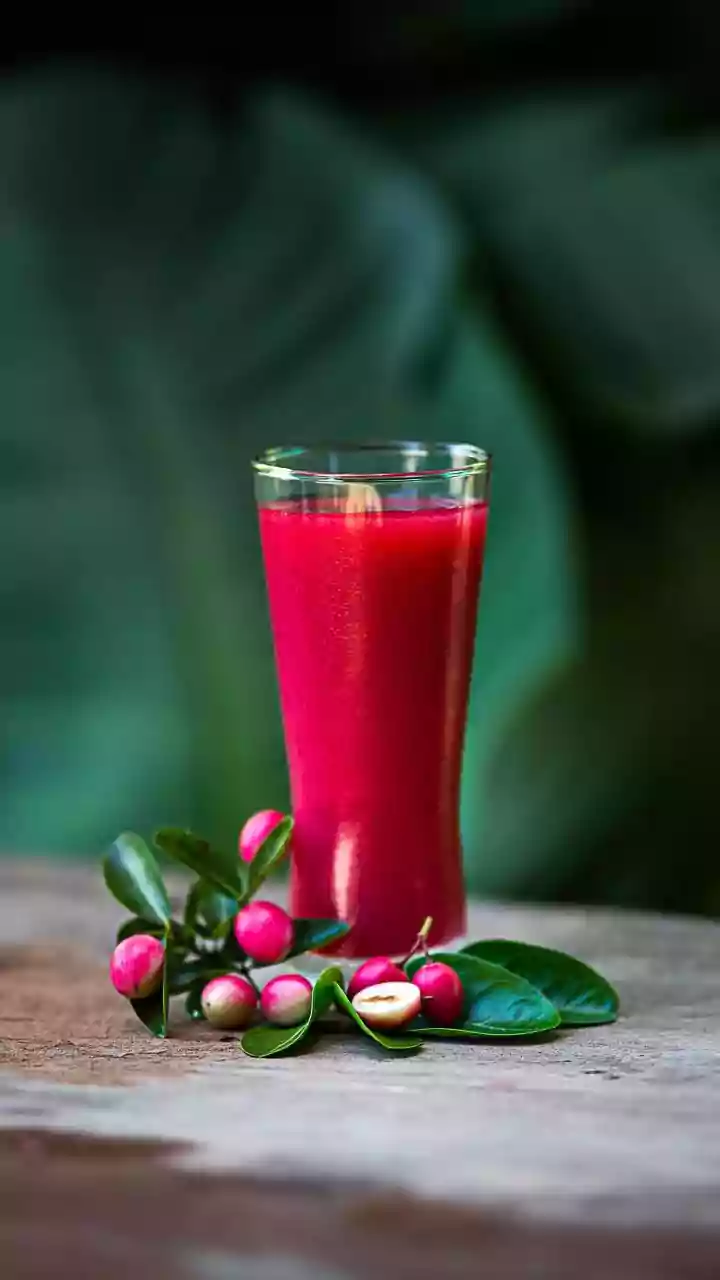
from imported berries or exotic syrups, but from two of India's most traditional summer fruits: kokum and jamun. For generations, these flavours were the domain of home kitchens, prepared as sherbets and panna to combat the sweltering heat. Now, they are being rediscovered and reimagined for a new audience, marking a broader trend where consumers and chefs alike are looking inward, celebrating hyperlocal ingredients and heritage recipes in contemporary formats.
The Art of the Cold Steep
What makes these new coolers different is the method of preparation: cold steeping. Unlike traditional methods that often involve boiling or cooking the fruit with sugar to create a concentrate, cold steeping is a slow, gentle process. The fruit is left to infuse in cold water for several hours, sometimes overnight. This technique extracts the delicate flavours and colours without the harshness that heat can introduce. The result is a drink that is smoother, less bitter, and arguably more nuanced. Research on cold brewing tea shows that this gentle extraction releases fewer tannins—the compounds that cause bitterness—while better preserving delicate aromatic compounds. This science applies to fruit infusions too, yielding a drink that tastes clean, bright, and closer to the fresh fruit itself.
The Tangy Allure of Kokum
Kokum, or Garcinia indica, is a small, purple-red fruit primarily found along India's western coast, particularly in the Konkan region. Its flavour profile is distinctly sour and astringent, a taste that instantly cuts through heat and humidity. Traditionally, kokum sherbet is a revered summer coolant, known for its digestive and anti-acidity properties. It’s a natural hydrator packed with electrolytes. When cold-steeped, the fruit’s sharp tang is mellowed, allowing its subtle fruity notes to come forward without an overwhelming sourness. Often balanced with a hint of black salt or roasted cumin, a cold-steeped kokum cooler is both profoundly refreshing and deeply rooted in coastal culinary wisdom.
The Sweet Earthiness of Jamun
Jamun, also known as black plum or Java plum, is another quintessential Indian summer fruit celebrated for its unique taste—a blend of sweet, sour, and astringent notes that famously leaves the tongue with a purple stain. Beyond its taste, jamun is a nutritional powerhouse in Ayurveda, recognised for its richness in antioxidants, vitamin C, and iron. Traditional jamun drinks often blend the pulp into a quick cooler. The cold-steeping process, however, allows for a more elegant extraction. It captures the fruit's vibrant purple hue, derived from antioxidant compounds called anthocyanins, while delivering a balanced flavour that is sweet yet earthy. It’s a sophisticated take on a fruit many associate with rustic, simple pleasures.
Why This Trend Matters Now
The appearance of kokum and jamun coolers on modern menus is no accident. It reflects a significant shift in consumer preferences. Diners are increasingly health-conscious, seeking out beverages with less processed sugar and no artificial additives. There's a growing demand for functional drinks that offer benefits like hydration, digestion support, and antioxidant boosts. Furthermore, there is a renewed pride in regional Indian ingredients and a desire for authenticity. These cold-steeped coolers sit at the perfect intersection of these trends: they are healthy, natural, and tell a story of place and tradition, all while feeling perfectly at home in a contemporary cafe setting.