






The Double-Edged Sword of UPI
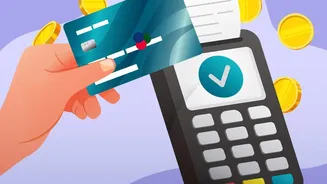
Unified Payments Interface (UPI) revolutionised how India transacts, turning complex bank transfers into a simple scan or a tap. While incredibly efficient for bills and daily needs, this very seamlessness is what makes it a powerful enabler of impulse
spending. Studies and consumer behaviour reports show that the easier it is to pay, the less time our brain has to evaluate the purchase. The friction of entering card details or finding cash once acted as a natural pause. With UPI, that barrier is gone, leaving our willpower to fight against sophisticated online marketing and the instant gratification of a new purchase. This often leads to a cycle of spontaneous buying, followed by buyer's remorse, especially during online sales events.
What Is a 'Cooling-Off Period'?
In formal contexts like insurance or certain sales, a cooling-off period is a legal window where a consumer can cancel a purchase without penalty. However, when we talk about UPI and online shopping, we’re adapting this concept into a powerful personal finance strategy. It's not a feature built into UPI itself for regular shopping. Existing UPI cooling periods are safety measures implemented by banks for things like new user registration or PIN resets to prevent fraud, not to manage spending. Our version is a self-imposed rule: you give yourself a mandatory 24-hour waiting period between deciding to buy something online and actually paying for it. It's about consciously re-introducing the friction that technology has removed.
The Psychology: Why 24 Hours Works
Impulse purchases are driven by emotion, not logic. Seeing a flash sale or a targeted ad triggers an immediate emotional response—excitement, a perceived sense of urgency, or even relief from boredom. This emotional high can override rational thinking. A 24-hour pause allows that initial dopamine rush to fade. It separates the 'in the moment' desire from a genuine need. After a day, you can look at the item in your cart with a clearer mind. Do you still need it? Does it fit your budget? Is it just a fleeting want? This delay allows your logical brain to catch up with your emotional one, preventing choices that lead to regret. It transforms the purchase from a reaction into a conscious decision.
How to Implement Your Own Cooling-Off Period
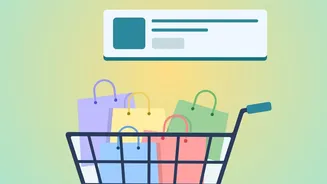
Making this strategy work requires a little discipline, but it's simple. First, when you find something you want to buy online, add it to your shopping cart or a wishlist. Do not proceed to checkout. Close the app or browser tab and walk away. Second, set a calendar reminder or a simple alarm on your phone for 24 hours later. Label it something like, "Review online cart." When the reminder goes off, go back and look at the item. Ask yourself if the desire is as strong as it was the day before. More often than not, you'll find the urge has passed, and you can simply remove the item. If you still genuinely want and need it, then you can proceed with the purchase, knowing it's a considered choice, not an impulse.
Benefits Beyond Your Bank Account
While the most obvious benefit is saving money, the practice of a cooling-off period has deeper advantages. It fosters mindfulness in your consumption habits, forcing you to question the 'why' behind your purchases. This can lead to a more sustainable lifestyle and less clutter in your home. It also significantly reduces 'buyer's remorse'—that sinking feeling after an unnecessary spend. By taking control, you build a healthier relationship with money, viewing it as a tool to serve your long-term goals rather than a means for instant, fleeting gratification. Over time, this small habit reinforces financial discipline and empowers you to resist the high-pressure marketing tactics designed to encourage impulsive behaviour.