
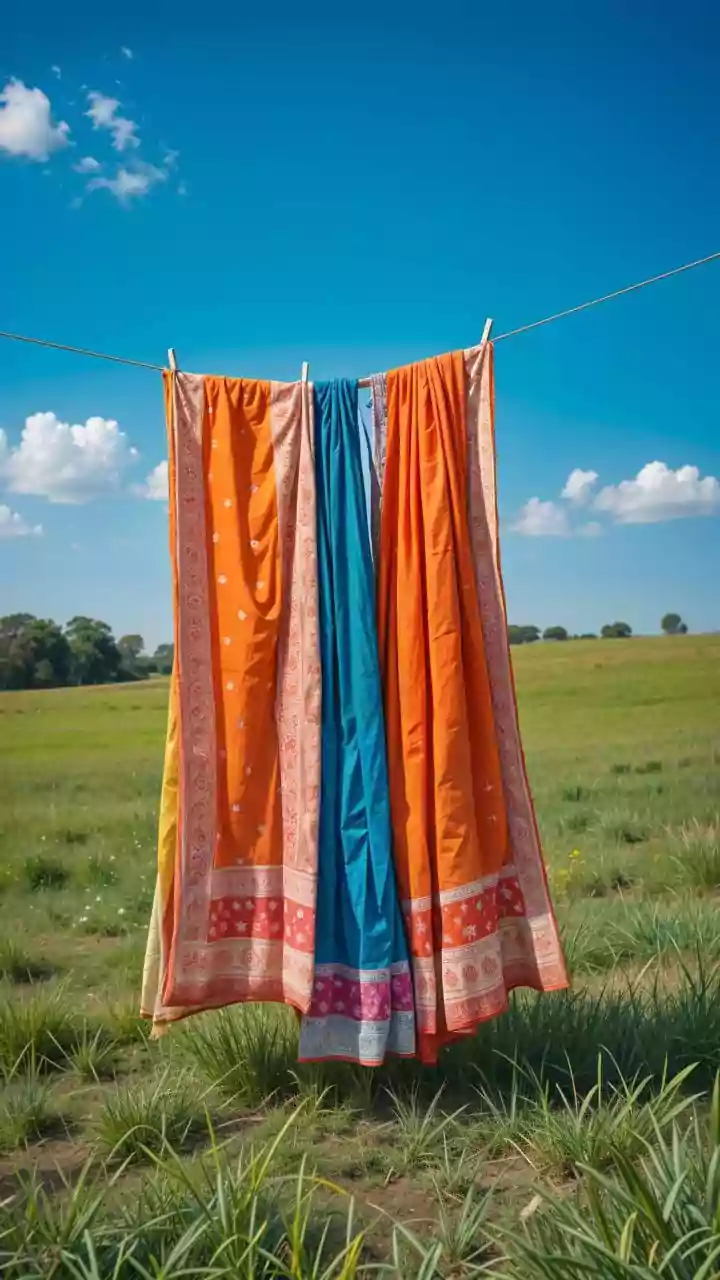







The Airy Elegance of Kota Doria
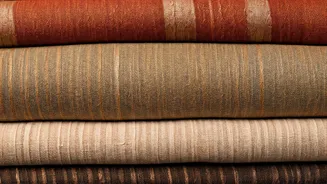
Originating from Kota, Rajasthan, Kota Doria is a testament to the genius of traditional weavers. This fabric is crafted from a blend of cotton and silk, woven on a pit loom in a unique square-check pattern known as 'khat'. The cotton provides strength
and body, while the silk lends a delicate lustre and softness. What makes Kota Doria perfect for the monsoon is its open-weave structure. It’s incredibly lightweight and airy, allowing for excellent air circulation that keeps you cool and comfortable in humid conditions. Described by some as feeling like “wearing air,” it dries quickly and doesn’t cling to the skin, making it an ideal choice for everything from daily wear sarees to elegant dupattas.
The Sheer Grace of Chanderi
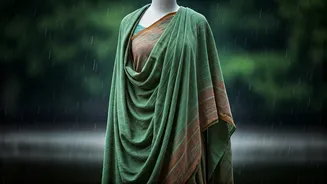
From the historic town of Chanderi in Madhya Pradesh comes this feather-light fabric, long favoured by royalty. Traditionally a blend of silk and cotton, Chanderi is known for its sheer texture, glossy finish, and luxurious feel. For the rainy season, Chanderi cotton or silk-cotton blends are particularly suitable. The fabric’s fine weave ensures it remains breathable, preventing that sticky feeling common in high humidity. While pure silk Chanderi might be reserved for indoor festive occasions, cotton-blend Chanderi is a versatile workhorse for the season. It drapes beautifully without adding bulk, offering an elevated look for brunches or evening gatherings without compromising on comfort.
The Woven Air of Jamdani
Often described as 'woven air', Jamdani is a fine muslin handloom that originated in Bengal. This craft, recognized by UNESCO as an Intangible Cultural Heritage of Humanity, involves weaving intricate motifs directly into the fabric on the loom. The result is a textile that is both incredibly detailed and exceptionally breathable. Jamdani sarees and garments are prized for their artistry, but their practical benefits are just as compelling. The cotton base is soft and absorbent, while the discontinuous weft technique used for the patterns ensures the fabric remains lightweight and porous. It’s a fabric that allows you to wear a piece of art while staying perfectly comfortable through the damp and sultry monsoon days.
The Unmatched Softness of Mulmul
Mulmul, also known as muslin, is perhaps one of the softest and most delicate cotton fabrics available. Its history in India is ancient, valued for its fine, open weave that makes it feel almost weightless against the skin. This quality makes Mulmul a saviour during the monsoon. It is highly absorbent, wicking moisture away from the body, and dries remarkably fast. The fabric is so breathable that it keeps you feeling fresh even when the air is thick with humidity. Perfect for everything from simple kurtas and sarees for daily wear to soft dupattas, Mulmul offers an understated elegance that prioritizes pure comfort.
Caring for Your Handlooms in the Damp
The high moisture content in the air during the monsoon requires special care for these delicate textiles. It's best to store your handloom pieces wrapped in breathable muslin or cotton bags, not plastic, which can trap moisture and lead to mildew. After wearing, air out the garment for a few hours in a shaded, airy spot before storing it to ensure any absorbed moisture evaporates. For washing, gentle hand washing in cold water with a mild detergent is often recommended for cottons, while silks like Chanderi and Jamdani typically fare best with dry cleaning. Avoid wringing the fabric and always dry it in the shade, as direct sunlight can cause colours to fade.