





The City Farmer's Dilemma
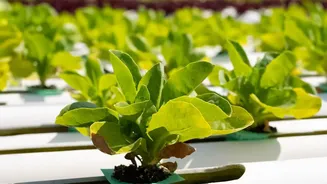
Urban agriculture is booming, bringing fresh, local produce to city dwellers. But these farms, whether on a high-rise terrace or in a vertical indoor system, create concentrated food sources that are magnets for pests like aphids, spider mites, and rodents.
For organic farmers, the challenge is immense. They can't simply spray the problem away; their commitment to chemical-free growing requires a more creative and delicate approach. Traditional methods like introducing beneficial insects or using physical barriers help, but they aren't always enough to protect crops and ensure the farm remains profitable. This has sent ag-tech innovators searching for a new kind of weapon—one that’s effective, sustainable, and clean.
How Sound Becomes a Shield
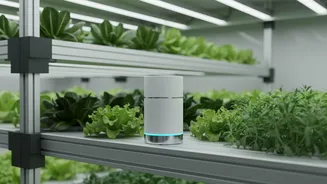
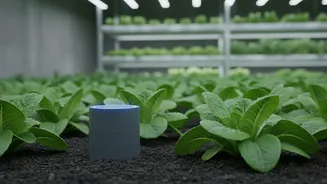
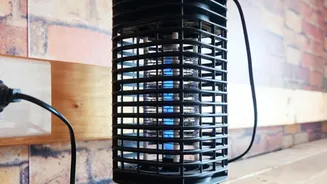
The core idea behind sonic pest control is surprisingly simple: if you can't poison pests, maybe you can annoy them into leaving. The technology uses ultrasonic emitters to broadcast high-frequency sound waves, typically above 20,000 hertz, which are silent to the human ear. Many pests, however, can hear in this range. The theory is that a constant barrage of these high-frequency sounds creates an acoustically hostile environment. It can disrupt their ability to communicate, navigate, feed, or reproduce, effectively encouraging them to pack up and find a quieter place to live. It’s not about causing harm, but about making the farm an uncomfortable place for unwanted guests, creating a 'sonic fence' that protects the plants without a single drop of chemicals.
A Tale of Two Technologies
The world of agricultural acoustics is split into two main camps: detection and deterrence. Deterrence, the focus of ultrasonic repellents, is an active strategy to drive pests away. But a parallel innovation is gaining ground: acoustic detection. Companies are developing sophisticated sensors, sometimes described as 'insect eavesdroppers,' that use sensitive microphones and AI to listen for the nearly imperceptible sounds of pests. These systems can identify the subtle chewing noises of larvae inside a plant stem or the specific mating call of a problematic insect. By detecting pests before an infestation becomes visible, farmers can intervene precisely when and where they are needed. While detection doesn't remove the pest, it provides the critical, early intelligence that makes all other control methods, including sonic deterrents, far more effective.
Does It Actually Work?
Here's where the science gets complicated. While the theory is sound, the real-world effectiveness of ultrasonic repellents has long been a subject of debate. Many studies on consumer-grade devices have found their performance to be inconsistent, with some pests simply getting used to the noise over time. However, the technology being developed for agricultural use is often more powerful and sophisticated. Some research shows that specific frequencies can repel certain species under controlled conditions. One study noted a 60% reduction in pests in a rice field using an ultrasonic system. The consensus is that these devices aren't a magic bullet. Instead, they are most effective when used as one component within a broader Integrated Pest Management (IPM) strategy that also includes physical barriers, biological controls, and careful monitoring.
The Future of Farm Sounds
As urban farms become more essential to our food system, the demand for non-chemical solutions will only grow. The allure of a plug-and-play device that wards off pests is undeniable, and as the technology improves, it could become a game-changer. The initial investment in these systems can be higher than for traditional methods, but proponents point to long-term savings on chemicals and reduced crop loss. For now, the most exciting frontier may be the combination of acoustic detection and deterrence. Imagine a system that 'hears' the first signs of an aphid infestation and automatically triggers a specific ultrasonic frequency known to disrupt them. This kind of responsive, data-driven agriculture—listening to the farm and reacting in real time—is where the true potential lies, offering a future where healthy crops can thrive in the heart of our cities.