



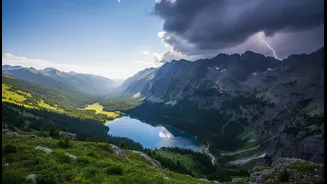


The Rain Shadow Advantage
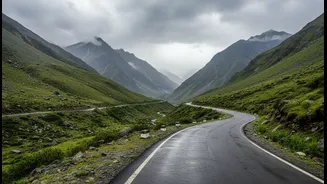
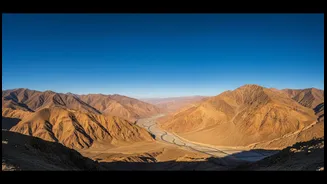
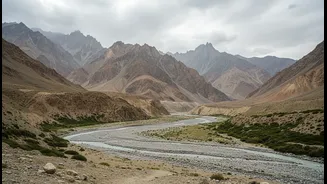
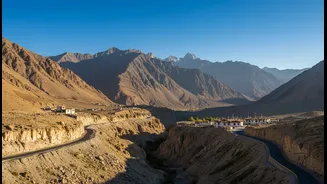
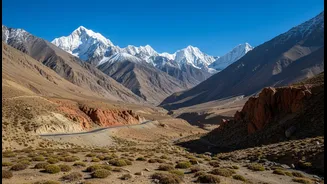
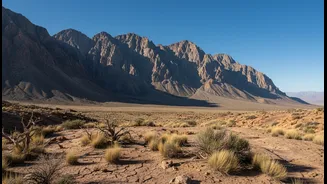
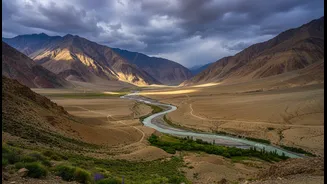
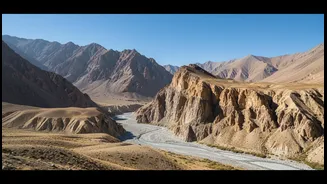
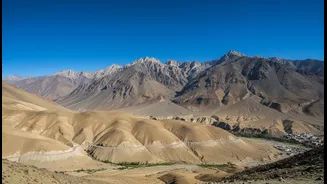
Ladakh's secret to staying dry during the monsoon is its location in the rain shadow of the Himalayas. The massive mountain range blocks most of the moisture-laden monsoon clouds from reaching the region, resulting in a cold desert climate with minimal
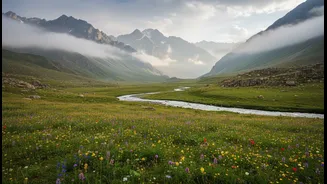
rainfall. While other hill stations in Himachal Pradesh and Uttarakhand face landslides and downpours, Ladakh experiences pleasant, sunny days with average temperatures around 21-25°C. This makes July and August, peak monsoon months elsewhere, an ideal time to explore its dramatic landscapes.
Getting There: Fly, Don't Drive (If Possible)
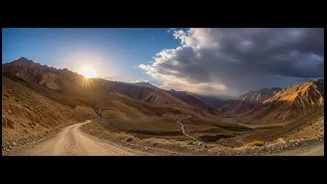
The safest and most reliable way to reach Ladakh during the monsoon is by air. Leh’s Kushok Bakula Rimpochee Airport is well-connected to major Indian cities. While the weather in Leh itself is clear, flights can sometimes be delayed due to weather conditions at departure cities. Road travel is more challenging. Both the Manali-Leh and Srinagar-Leh highways are technically open in July, but they pass through regions that receive heavy monsoon rains. The Manali route is particularly prone to landslides and flash floods, especially on the lower altitude stretches in Himachal Pradesh. The Srinagar highway can also face disruptions near Zojila Pass. If you must drive, build several buffer days into your itinerary and always check the latest road status from the Border Roads Organisation (BRO) before starting your journey.
What to See and Do in Dry Ladakh
With clear skies and accessible roads within Ladakh, July is perfect for sightseeing. The iconic Pangong Tso and Tso Moriri lakes are at their most breathtaking, reflecting the deep blue of the sky. The Nubra Valley, accessed via the famed Khardung La pass, offers stunning vistas, sand dunes, and the unique double-humped Bactrian camels. This is also an excellent time to explore Ladakh's rich cultural heritage by visiting its many monasteries, such as Thiksey, Hemis, and Diskit. Several vibrant monastery festivals, like Hemis Tsechu, often take place in the summer months, offering a spectacular glimpse into local traditions. For the adventurous, conditions are prime for activities like white-water rafting on the Zanskar and Indus rivers.
Packing for High-Altitude Sun and Cold
Packing for Ladakh requires planning for dramatic temperature swings. Days can be warm and sunny, but nights get cold, dropping to around 7-10°C in Leh and even lower at high-altitude lakes. The cardinal rule is to pack layers. Start with thermal inners, add a fleece jacket for the evening, and top it with a windproof and waterproof outer layer. Sun protection is non-negotiable. The high altitude means the UV rays are incredibly strong, so high-SPF sunscreen, sunglasses, and a wide-brimmed hat are essential. Comfortable walking shoes are a must, and it's wise to pack basic medicines for headaches or an upset stomach.
Health and Acclimatisation Are Key
Altitude sickness is a serious risk in Ladakh, where most areas are above 10,000 feet. Regardless of how you arrive, the most critical safety step is to acclimatise properly. Spend your first 24 to 48 hours in Leh resting and drinking plenty of water, avoiding strenuous activity and alcohol. This allows your body to adjust to the lower oxygen levels. Listen to your body; symptoms like headaches, dizziness, and nausea are signs to take it easy. Planning a gradual ascent by spending a night in a lower-altitude town like Kargil (if driving from Srinagar) can also help mitigate the effects of altitude.