






First, Tackle the Source: Moisture
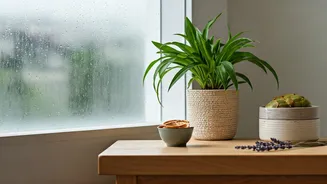
Before you can add pleasant scents, you must first address the root cause of monsoon odours: excess moisture. The most effective strategy is to prevent dampness from settling in. Ensure good cross-ventilation by opening windows whenever there's a break
in the rain. This helps reduce stuffiness and prevents moisture buildup. For persistently damp areas like basements or bathrooms with poor airflow, a dehumidifier can be a worthwhile investment to control humidity levels and inhibit the growth of mould and mildew. Regularly check for any leaks in your roof or plumbing and get them fixed promptly. Finally, avoid drying clothes indoors if possible, as this significantly increases the humidity inside your home.
Embrace the Power of Camphor (Kapur)
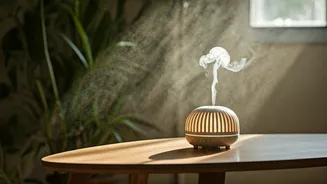
A staple in many Indian households, camphor (or kapur) is a powerhouse for purifying the air and creating a serene, temple-like atmosphere. Its strong, clean scent is highly effective at neutralising musty smells. One simple method is to use an aroma diffuser; you can either use an electric one or a traditional ceramic diffuser with a tea light underneath to gently heat the camphor and release its fragrance. For a smoke-free option, place a few camphor balls in a small bowl or make a potpourri with dried flowers. You can also buy ready-to-use camphor cones and hang them in cupboards, bathrooms, or other small spaces to combat humidity and foul smells.
Use Natural Odour Absorbers
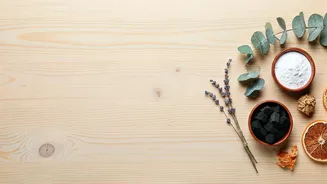
Some of the best natural air fresheners work by absorbing bad smells rather than just masking them. Baking soda is a fantastic and affordable option; place an open bowl of it in stuffy areas like shoe racks, refrigerators, or behind the toilet to absorb unwanted odours. Activated charcoal is another excellent choice for purifying the air and absorbing moisture and mould spores. Place small bags of activated charcoal in drawers, cabinets, and closets to keep clothes smelling fresh. Ground coffee beans can be used in a similar way to neutralize stale air.
Create an Aromatic Simmer Pot
A simmer pot is a wonderful way to fill your entire home with a warm, natural aroma, especially after cooking. It's a simple DIY method that uses ingredients you likely already have in your kitchen. Just fill a small pot with water and add a few slices of lemon or orange, a cinnamon stick, and a few whole cloves. You can also add herbs like rosemary for a fresh scent. Bring the pot to a low boil, then reduce the heat to a gentle simmer, allowing the steam to carry the fragrance throughout your space. This not only combats cooking smells but creates a cosy and inviting atmosphere on a dreary, rainy day.
Harness Essential Oils
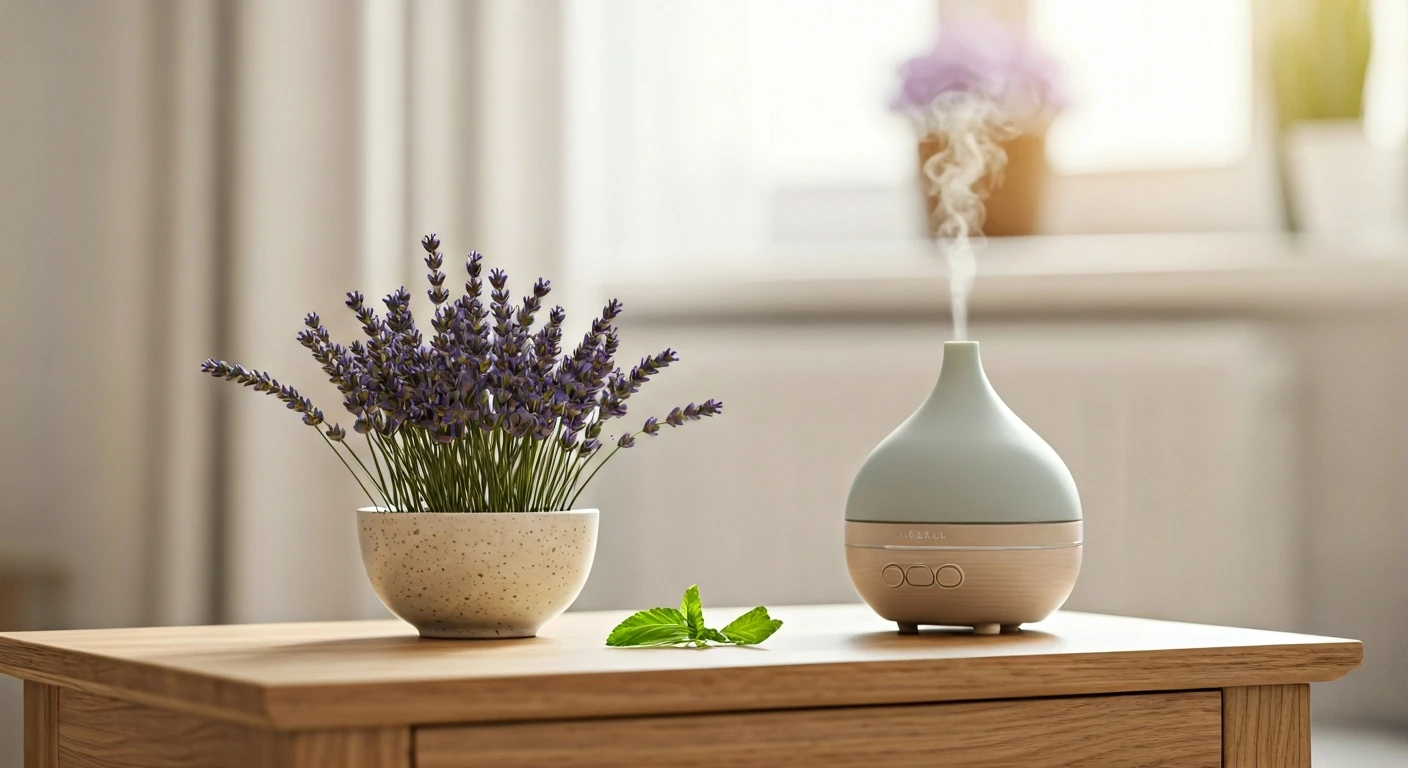
Essential oils offer a versatile way to introduce natural, therapeutic fragrances into your home. Many oils also have antibacterial and antifungal properties, making them perfect for the monsoon. Add a few drops of eucalyptus, tea tree, or peppermint oil to a diffuser to purify the air and aid respiratory health. Lemongrass, citronella, and peppermint oils are also excellent natural mosquito repellents. For a quick room freshener, mix a few drops of your favourite oil—like calming lavender or uplifting lemon—with water in a spray bottle and mist it on curtains, cushions, and other soft furnishings.
Don't Forget About Neem
Neem has long been valued for its powerful antibacterial and antifungal properties. During the monsoon, it can be a valuable tool in keeping your home hygienic and odour-free. You can use dried neem leaves in small porous bags and place them in cupboards and wardrobes to deodorise the space and protect clothes. Adding a few drops of neem oil to your floor cleaning solution is another effective way to sanitise surfaces and leave behind a clean, earthy scent, helping to prevent the growth of mildew on floors.