


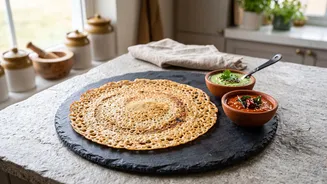
Looking for a breakfast that is both healthy and delicious without spending hours in the kitchen? Instant oats dosa is your answer. This guide will walk you through creating this nutritious, crispy delight right in your own home.
A Healthier Twist on a Classic
Traditional dosas, while
delicious, require a lengthy process of soaking and fermenting rice and dal. Oats dosa, on the other hand, offers a fantastic shortcut without compromising on health. In fact, it brings its own set of impressive benefits. Oats are packed with soluble fibre, particularly beta-glucan, which is known to help lower bad cholesterol levels. This high fibre content also keeps you feeling full and satisfied for longer, making it an excellent choice for weight management. Unlike their traditional counterparts, instant oats dosas can be prepared in under 30 minutes, making them a perfect solution for busy mornings or a quick, light dinner. They have a low glycemic index, which is beneficial for managing blood sugar levels, and offer a good source of protein to start your day right.
Gathering Your Simple Ingredients
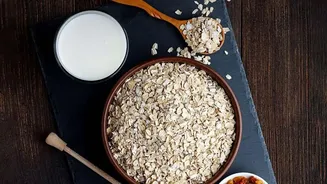
The beauty of this recipe lies in its simplicity and the use of common pantry staples. The core components work together to create the perfect texture and flavour. You will need rolled or quick-cooking oats, which will be ground into a fine powder. Rice flour is crucial for providing that signature crispiness, while a bit of semolina (rava/sooji) gives the dosa a light, lacy texture. To add a slight tang that mimics fermentation, plain curd or yogurt is used. The flavour comes from a mix of finely chopped onions, green chillies for a bit of heat, grated ginger, and fresh curry and coriander leaves. Cumin seeds add a warm, earthy note. Finally, you'll need water to bring the batter to the right consistency and salt to taste.
Crafting the Perfect Batter
The key to a great oats dosa is the batter, and getting it right is easy. Start by dry roasting the oats for a few minutes until they are fragrant, then cool them and grind them into a fine powder. In a large bowl, combine this oat flour with rice flour, semolina, and salt. Add the curd and about a cup of water, whisking to form a smooth paste without any lumps. Now, stir in all your flavourings: the chopped onion, green chillies, ginger, curry leaves, and coriander. Gradually add more water until the batter becomes very thin and runny, similar to the consistency of buttermilk. This watery consistency is essential for creating a thin, crispy, and lacy dosa. Let the batter rest for about 15 to 20 minutes; this allows the semolina and oats to absorb the water properly.
Cooking to Crispy Perfection
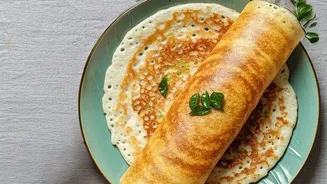
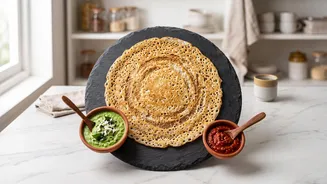
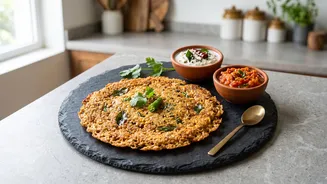
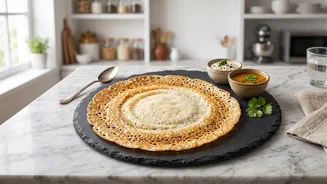
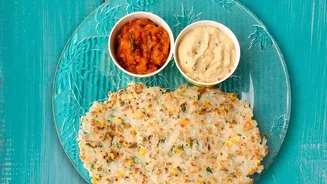
Cooking the dosa requires a hot pan and a bit of technique. Heat a nonstick or cast iron tawa over medium high heat. It needs to be quite hot; you can test this by sprinkling a few drops of water, which should sizzle and evaporate immediately. Before making each dosa, give the batter a good stir, as the flours tend to settle at the bottom. Using a ladle, pour the batter onto the hot tawa starting from the edges and moving towards the centre, filling in any gaps. Don't try to spread it like a traditional dosa; the thin batter will spread on its own to create a net like pattern. Drizzle a little oil or ghee around the edges and cook for 2–3 minutes on medium heat. You’ll see the edges start to turn golden brown and lift from the pan. Typically, this type of dosa is cooked only on one side. Once crisp, gently fold it over and serve immediately.
Serving Suggestions and Variations
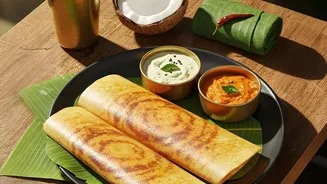
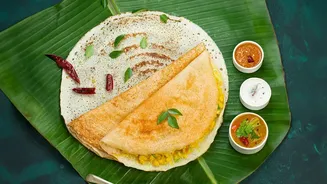
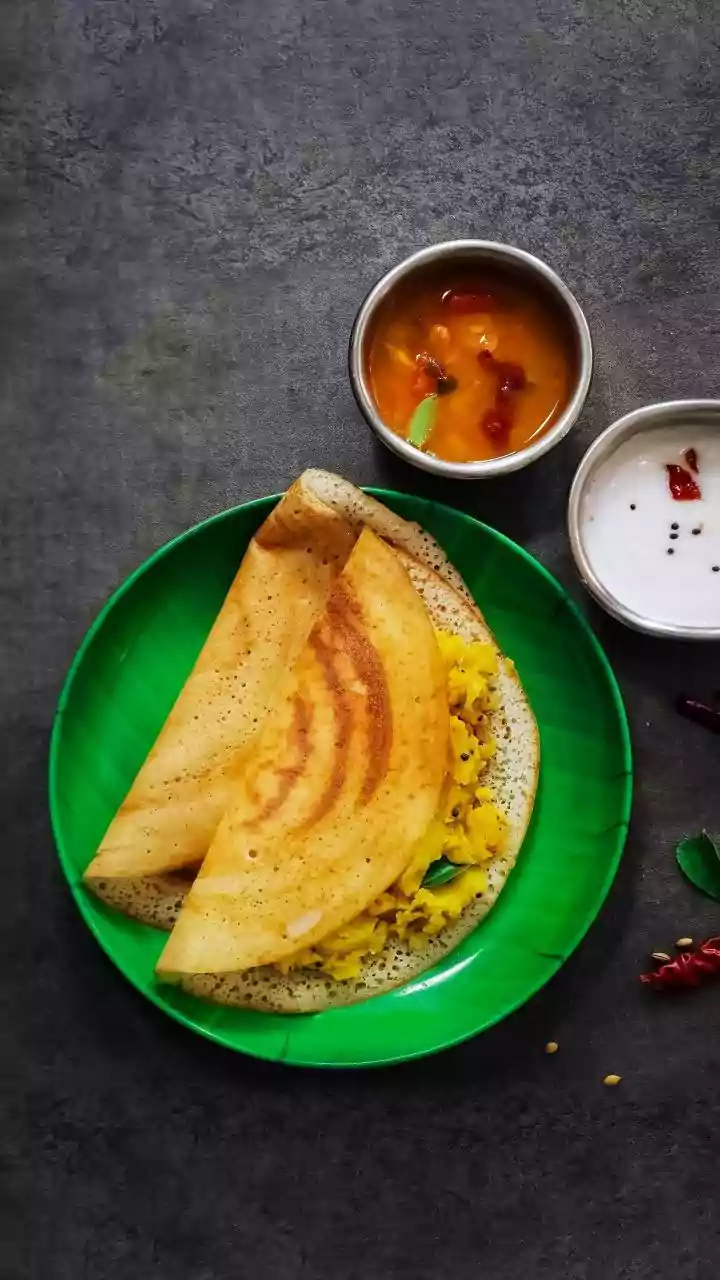
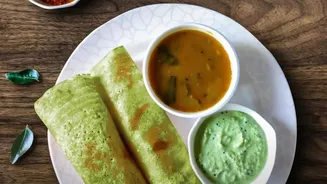
Oats dosa is wonderfully versatile and pairs beautifully with a variety of classic South Indian accompaniments. Serve it hot off the pan with coconut chutney, tomato chutney, or a hearty bowl of sambar for a complete and satisfying meal. For a spicier kick, a dollop of 'gunpowder' (podi) mixed with ghee is an excellent addition. You can also get creative with the batter itself. Adding finely grated vegetables like carrots, beetroot, or cabbage can boost its nutritional value and add colour. For a higher protein version, you can even replace the rice flour with besan (gram flour) or add a filling of crumbled paneer.