
Why Seeds Lose Their Spark
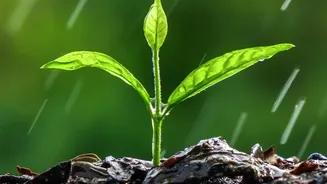
Seeds are not immortal. Each one contains a tiny, living plant embryo and a finite supply of stored energy to fuel its initial growth. Over time, this biological machinery naturally breaks down. The embryo's cells degrade, crucial enzymes become less
active, and its food reserves dwindle. This process of deterioration is a slow, inevitable march towards non-viability. Even under perfect conditions, a seed's germination rate — the percentage of seeds that successfully sprout — will decrease with each passing year. For instance, a fresh batch of seeds might have a 95% germination rate, which could drop to 80% after a couple of years and fall below 50% after five years, depending on the type of seed and its storage. This decline in vigour means older seeds may sprout more slowly, produce weaker seedlings, or fail to grow at all.
The Enemies of Seed Longevity
While age is a key factor, the speed at which a seed declines is heavily influenced by its environment. The three primary enemies of seed longevity are heat, moisture, and light. High temperatures accelerate the chemical reactions that cause a seed to break down. Moisture is even more damaging; high humidity can trigger premature germination inside the packet, leading to rot and mold, or simply exhaust the seed's energy reserves. Light can also signal to some seeds that it's time to germinate, causing them to weaken. A simple rule of thumb for storage, sometimes called the "Rule of 100," suggests that the sum of the storage temperature (in Fahrenheit) and the relative humidity percentage should not exceed 100 for safe storage. Storing seeds in a hot garage, a humid shed, or on a sunny windowsill can drastically shorten their lifespan.
Creating Your Own Seed Bank
The secret to extending the life of your seeds is to store them in conditions opposite to those required for germination: cool, dark, and dry. The ideal setup is an airtight container placed in a stable, cool location. A sealed glass jar or a zip-top bag works well. To combat moisture, you can add a desiccant packet, like the silica gel packs often found in new shoe boxes, or even a small amount of dry rice to absorb excess humidity. The best location is often a refrigerator, which provides a consistent cool temperature. A cool basement or a dark closet can also be effective. When you take seeds out of cold storage, allow the container to come to room temperature before opening it to prevent condensation from forming on the cold seeds. Properly stored, many seeds can remain viable for years beyond their “packed for” date.
Don't Guess, Do a Germination Test
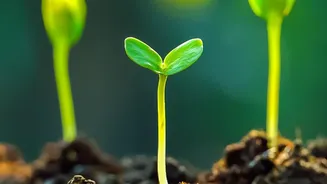
Before you dedicate garden space and effort to old seeds, it's wise to perform a simple germination test to see what you're working with. All you need is a paper towel, a plastic bag, and a small sample of seeds. Simply place ten seeds on a damp—not soaked—paper towel, fold it over to cover them, and slide the towel into a plastic bag. Label the bag with the seed type and date. Place it in a consistently warm spot, like on top of your refrigerator, and check it every few days to ensure the towel remains moist. Most seeds will sprout within three to ten days. After the typical germination period has passed, count the number of sprouted seeds. If seven out of ten have sprouted, you have a 70% germination rate. If the rate is below 60%, you may want to consider buying fresh seeds or sowing the old ones much more thickly to compensate.
Giving Old Seeds a Second Chance
A low germination rate doesn't mean you have to toss your old seeds. The most straightforward strategy is simply to sow them more densely than you would with fresh seeds. For seeds with tough, hardened coats, a process called scarification can help. This involves gently scratching or nicking the seed coat with sandpaper or a nail file to allow water to penetrate more easily. Another technique is to pre-soak the seeds. A short soak in a weak hydrogen peroxide solution can clean the seed surface of potential pathogens. Some gardeners also find success by soaking seeds in diluted solutions of kelp fertilizer or even sugar water to provide a small energy boost to the tired embryos. By giving them a little extra help, you can often coax life out of seeds that might otherwise have failed.