







The Brain-Gut Connection
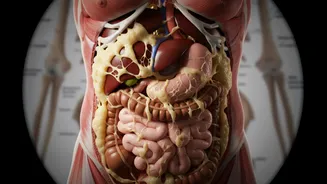
When you eat, your body initiates a complex conversation between your stomach and your brain. It takes about 20 minutes for hormonal signals to travel from your gut to your brain to register that you are full. Hormones like leptin and cholecystokinin
are released as food is digested, telling your brain to reduce appetite and create a sense of satisfaction. When you eat too quickly, you can easily consume more calories than you need before this signaling system has a chance to kick in. Studies have consistently shown that fast eaters are more likely to be overweight or obese compared to their slower-eating counterparts. Slowing down allows your brain to catch up with your stomach, helping you recognize fullness cues more accurately and potentially reducing overall calorie intake.
Speed, Weight, and Body Composition
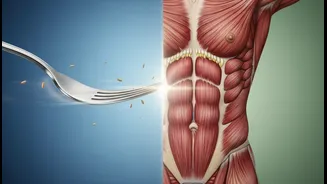
The conversation about weight is shifting from the number on the scale to the more meaningful metric of body composition—the ratio of fat mass to lean mass (muscle, bones, and water) in your body. Two people can have the same body weight but vastly different health profiles depending on this ratio. Higher muscle mass is metabolically active and generally protective, while excess body fat, especially visceral fat around the organs, is linked to higher health risks. Research, including a 2026 study conducted in Gujarat, India, has found a direct link between eating speed and these critical measures. Fast eaters were shown to have a significantly higher BMI and more visceral fat compared to slow eaters. Other studies support this, finding that slow eating is associated with lower total body fat and a healthier distribution of that fat.
The Dangers of a Single Story
While slowing down your meals is a valuable tool, it's not a magic bullet. Focusing exclusively on eating speed can create a tunnel vision that ignores other critical components of health and weight management. Traditional weight-loss methods that fixate on a single factor, whether it's calorie counting or one specific habit, often lead to burnout and are difficult to sustain. True health is a multifaceted system. If you eat slowly but your diet consists of highly processed foods, you get poor sleep, or you live with chronic stress, the benefits of mindful pacing will be limited. These factors significantly influence hormones that regulate appetite, metabolism, and fat storage. For instance, chronic stress can increase cortisol levels, leading to weight gain, particularly in the abdominal area.
Embracing a Holistic Approach
A more effective and sustainable strategy is a holistic one. This approach considers the whole person, viewing weight as just one part of a larger picture that includes nutrition, physical activity, sleep quality, stress levels, and emotional well-being. Rather than searching for a single hack, the goal is to build a foundation of balanced, healthy habits that work together. This means paying attention to what you eat, not just how fast you eat it. Foods that require more chewing, such as vegetables and lean proteins, naturally slow you down and are more satiating. It also involves incorporating regular movement you enjoy, ensuring you get adequate restorative sleep, and finding healthy ways to manage stress. This integrated approach helps regulate the body's systems, leading to more sustainable weight management and overall vitality.