



Understanding Your Desert Dwellers
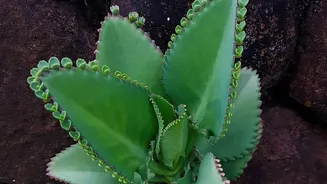
Cacti and succulents are masters of survival, evolved to thrive in arid environments where rainfall is rare. Their fleshy leaves, stems, and roots are essentially tiny water tanks, designed to store moisture for long, dry periods. Unlike leafy tropical
plants, their root systems are built to absorb water quickly and then sit in dry conditions. Constant dampness is not just unnecessary; it is their primary enemy. The cells in their leaves and stems can become so full of water that they actually burst, leading to the soft, translucent look of an overwatered plant. Understanding this basic biology is the first step toward breaking the cycle of 'killing with kindness'.
The Dangers of Too Much Kindness
The most common cause of death for these plants is root rot, a direct consequence of overwatering. When soil remains wet for too long, it cuts off the oxygen supply to the roots. These delicate roots effectively suffocate, die, and begin to decay. Once rot sets in, the roots can no longer absorb water or nutrients, which is why an overwatered plant can ironically look like it's thirsty and wilting. You might notice the lower leaves turning yellow, the stem feeling soft and mushy, or even a foul smell coming from the soil. These are all signs that a serious problem is unfolding beneath the surface. By the time the plant looks obviously sick, the rot may have already become extensive.
Your Foolproof Watering Guide
Forget rigid schedules like 'water once a week'. The best method is the 'soak and dry' approach, which mimics their natural environment of infrequent, heavy downpours. When it's time to water, do so thoroughly. Pour water evenly over the soil until it runs freely from the drainage hole at the bottom of the pot. This ensures the entire root system gets a drink. Then, the most important part: do not water again until the soil is completely dry. You can check this by sticking your finger or a wooden skewer two inches into the soil; if it comes out clean and dry, it's time to water. In the winter, when plants are dormant, reduce watering frequency significantly, perhaps to once a month or even less.
What Your Plant Is Telling You
Learning to read your plant's signals is more reliable than any calendar. The signs of overwatering and underwatering can sometimes seem similar, but there are key differences. An overwatered succulent will have leaves that are soft, mushy, and may look yellow or translucent. They might fall off at the slightest touch. In contrast, an underwatered plant will have leaves that look wrinkled, shriveled, or deflated because they are using up their stored water. They will feel soft but not soggy. It's always easier to save a thirsty plant than a rotting one, so if you are ever in doubt, it is best to wait a few more days before watering.
Soil and Pot: The Other Half of the Story
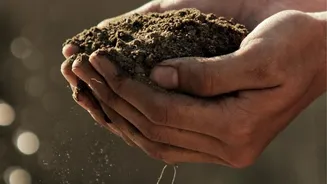
Proper watering technique can be undermined by the wrong setup. Cacti and succulents must be planted in a fast-draining, gritty soil mix. Standard potting soil holds too much moisture and is a primary cause of root rot. Look for a commercial cactus and succulent mix, or make your own by combining potting soil with an equal amount of a mineral grit like pumice or perlite. Just as crucial is the pot itself. It absolutely must have a drainage hole to allow excess water to escape. Terracotta pots are an excellent choice for beginners because the porous clay helps wick moisture away from the soil, allowing it to dry out faster.