



Beyond the paneer and potatoes lies a culinary revolution. In the bustling kitchens of India's metros, chefs are looking past farms and into forests for flavour, uncovering wild greens that connect modern diners to an ancient, authentic heritage.
The Wild Flavours on Your Plate
Imagine
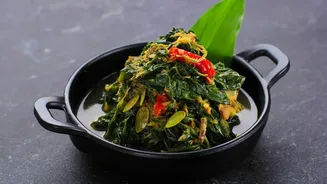
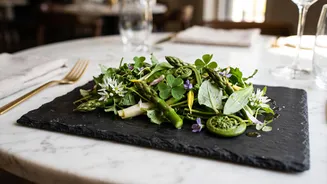
a plate in a chic Mumbai or Delhi restaurant. Nestled beside a perfectly cooked protein is a vegetable you have never seen before. It might be the tightly coiled fiddlehead fern known as 'lingdi' from the Himalayas, offering a crisp bite reminiscent of asparagus and green beans. Or perhaps it is 'phodshi', a delicate wild green that appears with the Maharashtra monsoons, tasting of fresh grass and rain-soaked earth. These are not your everyday, market-variety vegetables. They are foraged foods, gathered from forests, riverbeds, and mountain slopes, representing a direct link to India’s untamed landscape. This movement is about embracing ingredients that grow wild, guided by seasons and terroir, not commercial cultivation. It is a quiet but powerful shift from the predictable to the profound.
Chefs as Culinary Archaeologists
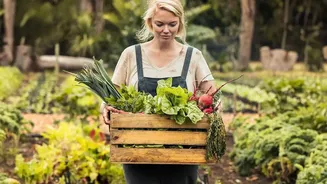
This rediscovery is being championed by a new generation of Indian chefs who act as part culinary artist, part botanist, and part historian. Visionaries like Prateek Sadhu, formerly of the acclaimed Mumbai restaurant Masque, have been instrumental in this shift. They journey into remote regions, from Ladakh to the Western Ghats, to build relationships with local communities and foragers. Their goal is to understand and ethically source ingredients that have been part of tribal and rural diets for centuries but have remained absent from the urban culinary scene. These chefs are not just looking for novelty; they are seeking the stories, traditions, and unique flavour profiles embedded in ingredients like wild 'gucchi' mushrooms, foraged sea buckthorn, and countless varieties of uncultivated 'saag'. By placing these on their menus, they challenge the very definition of 'gourmet' Indian food.
Redefining Authentic Heritage
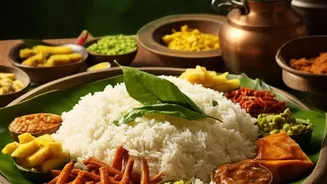
For decades, 'authentic' Indian food in urban settings often meant a standardised, Mughlai-heavy repertoire. But this new trend argues for a deeper, more diverse definition of authenticity. It suggests that true heritage dining is not about perfectly replicating a classic recipe, but about using the ingredients that shaped our ancestors' diets. It acknowledges that India’s culinary heritage is not a monolith but a rich tapestry woven from thousands of micro-regional foodways. Serving foraged greens is a tribute to the wisdom of communities who have lived in harmony with nature, utilising its bounty without depleting it. This approach moves the focus from palace kitchens to the forest, celebrating a form of cuisine that is hyperlocal, seasonal, and intrinsically connected to the land.
A Sustainable and Healthy Choice
The turn towards foraged foods is also a response to the growing global demand for sustainability and wellness. Wild greens grow without chemical pesticides or fertilisers, making them inherently organic. They promote biodiversity by creating a market for a wider range of plants beyond the handful of commercially viable crops that dominate modern agriculture. This helps preserve traditional ecological knowledge held by foraging communities. From a nutritional standpoint, these wild edibles are often powerhouses of vitamins, minerals, and antioxidants, offering complex nutrients that their cultivated cousins may lack. For the conscious diner, a meal featuring foraged ingredients is not just a treat for the palate but also a vote for a healthier and more sustainable food system.
The Challenges of Taming the Wild
Despite its romantic appeal, bringing foraged produce to the urban table is fraught with challenges. The supply chain is, by its nature, unpredictable and inconsistent, dependent on weather, season, and the skill of a few knowledgeable foragers. There is also a significant risk of overstretching if a particular green becomes too popular, which could devastate local ecosystems and deprive local communities of a vital resource. Responsible chefs are keenly aware of this tightrope walk. They work diligently to ensure their sourcing is ethical, often relying on small, trusted networks and paying a premium to ensure sustainability. This complexity means that foraged ingredients are likely to remain a feature of fine dining rather than a mainstream staple, representing a special, considered experience.