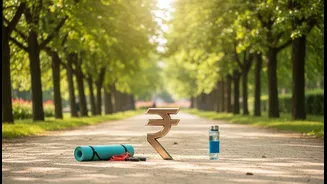









The Scale of the Silent Epidemic
India is in the midst of a profound public health shift. While the country has made strides against infectious diseases, it now faces a surging tide of lifestyle-related conditions. According to recent reports, non-communicable diseases (NCDs) like heart
disease, diabetes, and hypertension now account for approximately 60% of all deaths in the country. Data from 2025 shows a sharp increase in cardiovascular and metabolic disorders, with nearly half the population reporting such conditions. This isn't a problem confined to old age; the health decline is starting earlier. One report found that by age 40, only 7% of individuals remain free of disease, with risk factors becoming widespread among young and working adults. This rising burden is not just a health issue but an economic one, placing immense strain on families and the national healthcare system.
From Cure to Prevention: A Necessary Pivot
For decades, India's healthcare system, like many worldwide, has been primarily reactive, focused on treating sickness rather than preventing it. However, the sheer scale of the NCD crisis is making this model unsustainable. The National Health Policy of 2017 officially marked a change in direction, emphasizing a preventive and promotive approach to healthcare. The logic is simple: it is far more effective and economical to keep a population healthy than to treat a nation struggling with chronic illness. This pivot involves a fundamental rethinking of public health, moving beyond hospitals and clinics to address the root causes of disease found in daily life—poor diet, physical inactivity, and stress.
What Would a Preventive Fitness Policy Look Like?
A 'Preventive Fitness Policy' is not a single law but a comprehensive strategy woven into the fabric of society. Recent discussions, including those involving the government think-tank Niti Aayog, suggest a multi-pronged approach. This could include financial incentives like subsidized gym memberships and making corporate wellness programs a priority for employers. It also means investing in public goods for health: creating and maintaining more parks, safe walking tracks, and cycling lanes. Another key component would be integrating fitness more formally into school curricula, building healthy habits from a young age. The goal is to create an environment where the healthy choice is the easy choice for everyone, regardless of their income or where they live.
Building on the Fit India Movement
The foundation for a national fitness policy has already been laid. The Fit India Movement, launched in 2019, was a crucial first step in raising mass awareness and encouraging citizens to include physical activity in their daily lives. With slogans like “Fitness Ka Dose, Aadha Ghanta Roz,” it has successfully brought the conversation about personal health into the mainstream and spurred some companies to create wellness facilities for employees. However, a formal policy would move beyond awareness campaigns. It would provide a structured framework with measurable goals, dedicated funding, and clear responsibilities for government bodies and private sector partners, turning a popular movement into a sustainable, long-term public health strategy.
The Challenges of Implementation
Translating policy into practice in a country as vast and diverse as India is a significant challenge. One of the biggest hurdles is the urban-rural divide. Healthcare infrastructure and fitness facilities are heavily concentrated in cities, leaving rural populations underserved. Ensuring equitable access for all will be critical. Funding is another major question, as public health expenditure has historically been low. Furthermore, success will depend on changing deeply ingrained behaviours, which requires a sustained, culturally sensitive effort that goes far beyond building infrastructure. It requires addressing everything from food safety and labelling to mental health support, creating a holistic ecosystem of wellness.