
A Tale of Two Comets
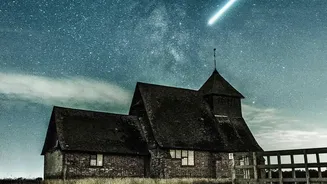
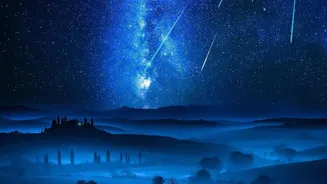
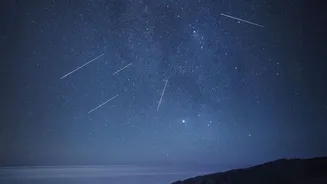
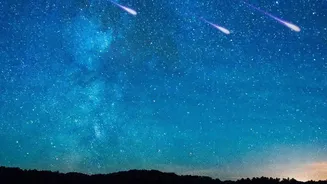
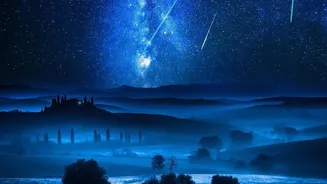
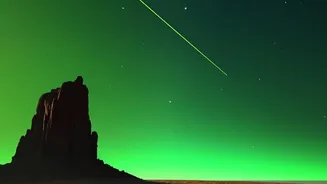
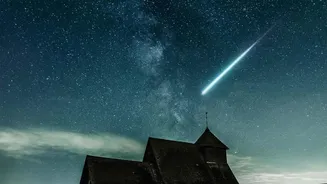
Meteor showers are the beautiful result of Earth passing through the dusty debris trails left behind by comets. As these tiny particles, often no bigger than a grain of sand, hit our atmosphere at incredible speeds, they burn up and create the fleeting
streaks of light we call 'shooting stars'. The two events in this celestial showcase have famous parent comets. The Perseids, which peaked in mid-August, are caused by debris from Comet Swift-Tuttle. The upcoming Orionids are born from the trail of none other than Halley's Comet, arguably the most famous comet in history. While the Perseids have just passed, putting on a fantastic show under dark, moonless skies around August 12-13, the Orionids are autumn's main event.
Your Guide to the 2026 Orionids
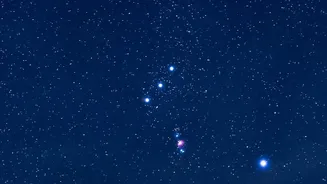
The Orionid meteor shower is active from early October to early November, but the best time to watch will be during its peak on the night of October 21-22. Viewers can expect to see around 15 to 25 meteors per hour under ideal conditions. Orionid meteors are known for being particularly fast, entering the atmosphere at about 66 kilometres per second, and can often leave glowing trails that linger for a few moments after the meteor has vanished. The shower's name comes from its radiant—the point in the sky from which the meteors appear to originate—which is located in the constellation of Orion the Hunter. For the best show, plan to be outside between midnight and the pre-dawn hours. While a bright moon will be present for part of the night, it is expected to set in the early morning hours, leaving a dark window of opportunity just before dawn to catch the most meteors.
Escaping the City Glow
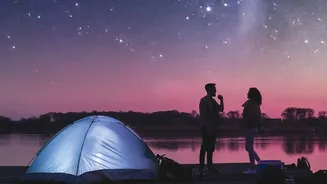
The biggest obstacle for any stargazer in India is light pollution. To truly appreciate a meteor shower, you need to get as far away from city lights as possible. This is where non-metro and rural areas have a distinct advantage. Even driving an hour or two away from a major urban centre can dramatically increase the number of meteors you'll see. Look for dark, open spaces like national parks, wildlife sanctuaries, or even just a quiet spot in the hills. For those seeking the absolute best views, India has several burgeoning astro-tourism destinations. Places like Hanle in Ladakh, which is India's first official Dark Sky Reserve, offer pristine skies. Other excellent locations known for their dark skies include Spiti Valley in Himachal Pradesh, the Rann of Kutch in Gujarat, Jaisalmer in Rajasthan, and parts of Coorg in Karnataka. The key is to find a location with an unobstructed view of the sky, far from the glare of streetlights and buildings.
What to Bring for Your Night Out
The best news about watching a meteor shower is that you don't need any special equipment. In fact, binoculars and telescopes are not recommended because they limit your field of view. Your eyes are the best tools for the job. The most important thing is to be comfortable and patient. Dress in warm layers, as even pleasant evenings can get chilly in the pre-dawn hours. A reclining chair or a blanket to lie on will save you from a sore neck. Pack some snacks and a warm drink like tea or coffee. Once you've found your spot, give your eyes at least 20-30 minutes to fully adjust to the darkness. This means avoiding looking at your bright phone screen, which can ruin your night vision. Then, just lie back, look up, and enjoy the cosmic performance.