





The Gaganyaan Leap: India's Human Spaceflight Dream
The centerpiece of ISRO's immediate ambition is the Gaganyaan mission, India's first foray into human spaceflight. This programme aims to send a crew of three astronauts into a 400 km orbit for a three-day mission and bring them back safely to Earth.
The stakes are high, as a successful mission would make India only the fourth country in the world—after the United States, Russia, and China—to have an independent human spaceflight capability. Preparations are in full swing. ISRO is conducting a series of crucial uncrewed test flights to validate every system. The first uncrewed mission, G1, is expected in the latter half of 2026. This will be followed by another test flight, G2, which will carry a humanoid robot named Vyommitra to simulate human functions and monitor spacecraft performance before the first crewed launch, currently anticipated in 2027. In July 2026, ISRO successfully completed key qualification tests for the Crew Module, ensuring it can right itself after a sea splashdown and that its life-support connections function flawlessly.
Our Own Address: The Bharatiya Antariksha Station
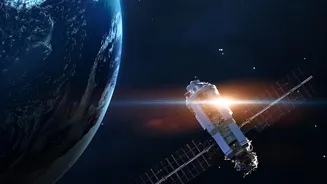
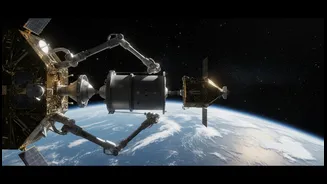
Looking beyond short-duration flights, ISRO is planning a permanent Indian address in low-Earth orbit. The Bharatiya Antariksha Station (BAS), or Indian Space Station, is slated for completion by 2035. This will be a modular station, weighing around 52 tonnes upon completion, designed to host crews of three to four astronauts for long-duration stays of three to six months. The first module is targeted for launch in 2028. The BAS is not just a symbol of national prestige; it's a strategic platform for science and technology. It will serve as a microgravity laboratory for cutting-edge research in biology, materials science, and medicine that is impossible to conduct on Earth. Furthermore, it will be a crucial training ground for astronauts and a testbed for technologies needed for even more ambitious missions, such as long-duration stays on the Moon.
Destination Planets: Mars, Venus and Beyond
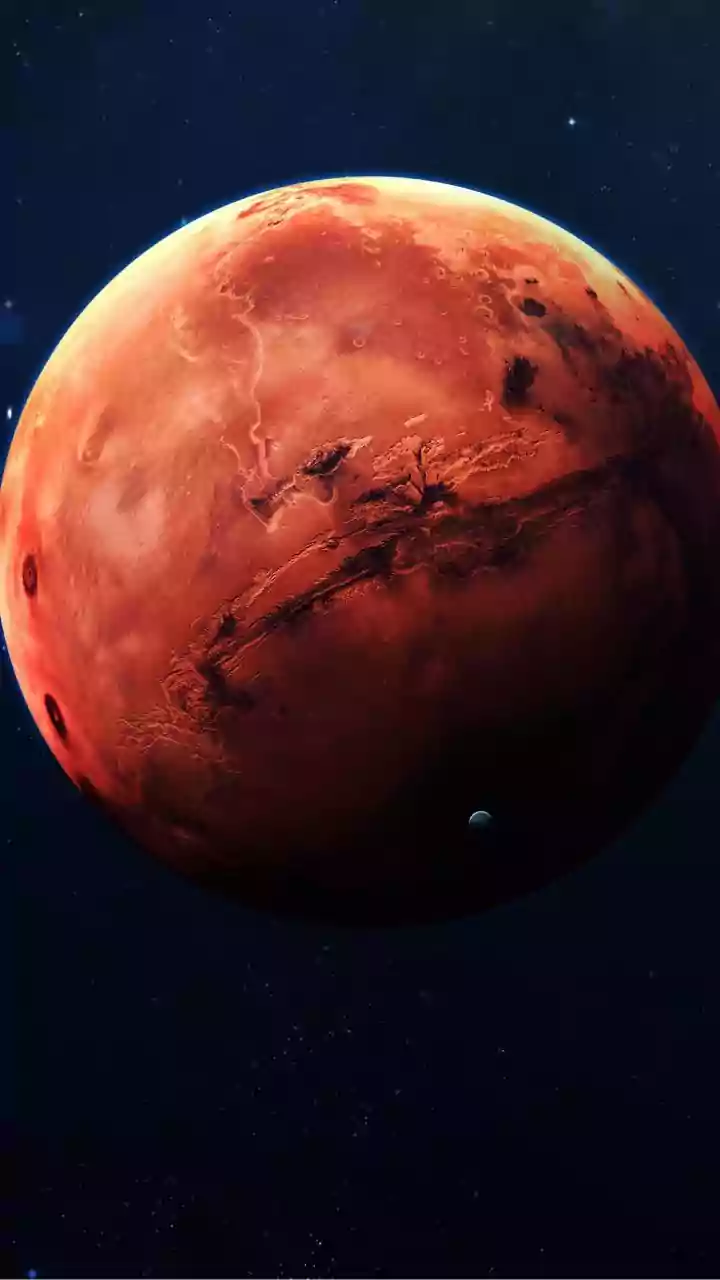
ISRO is also setting its sights on our planetary neighbours. After the spectacular success of the first Mars Orbiter Mission (Mangalyaan), which operated for nearly eight years, a more ambitious successor is in the works. Mangalyaan-2, tentatively scheduled for launch around 2030, will be a major leap, aiming to place a lander and rover on the Martian surface. The mission may even include a helicopter to study the Martian atmosphere, making India only the third nation to achieve a soft landing on Mars. But the Red Planet isn't the only destination. The Shukrayaan-1 mission, India's first orbiter to Venus, is planned for a March 2028 launch. Often called Earth's "evil twin" due to its scorching temperatures and corrosive atmosphere, Venus poses immense engineering challenges. Shukrayaan-1 will study the planet's notoriously thick atmosphere and map its surface, seeking to understand the runaway greenhouse effect that defines this hostile world.
A Sustained Presence on the Moon
While human spaceflight and interplanetary missions capture the imagination, the Moon remains a core focus. Building on the success of Chandrayaan-3's south pole landing, ISRO has a multi-phase lunar exploration roadmap. The ultimate goals are to land an Indian astronaut on the Moon by 2040 and establish a lunar space station around the same time. Before that, several robotic missions are planned. The Chandrayaan-4 mission, scheduled for around 2028, will be India's first attempt at a lunar sample return, aiming to bring back material from the water-ice-rich south polar region. This will be followed by a joint mission with Japan to further explore the lunar south pole for resources. These missions are crucial steps, building the technological capability required for a sustained human presence on and around the Moon.