





Understanding the Monsoon Air Challenge
While rain can temporarily wash away dust from the outdoor air, it creates a different problem indoors. The primary culprit is high humidity. When relative humidity inside your home consistently climbs above 60-70%, it creates the perfect environment
for mould, mildew, and dust mites to thrive. These contaminants can settle into carpets, furniture, and walls, degrading air quality and potentially triggering allergies and respiratory issues. Compounding this, we naturally keep our windows shut to keep the rain out, which reduces ventilation and traps pollutants. Everyday activities like cooking and cleaning can release Volatile Organic Compounds (VOCs), which become more aggressive in warm, humid conditions. The result is a stuffy, sticky feeling and a musty odour that signals an unhealthy indoor microclimate.
The Morning Flush: Start Fresh
Your first step of the day should be to flush out the stale air that has accumulated overnight. Even if it's raining, it's crucial to ventilate. The key is to do it strategically. Aim to open your windows for about 10-15 minutes first thing in the morning. The air is often cooler and fresher at this time. Focus on creating cross-ventilation by opening windows or doors on opposite sides of a room or your home. This creates a pathway for air to flow through, effectively pushing out humid, stagnant air and replacing it with fresher outdoor air. If it's raining heavily, you don't need to open windows wide; even a small opening or using a tilt function can help circulate air without letting too much water in. This morning ritual is the single most effective way to reset your home's air for the day ahead.
Mid-Day Management: Strategic Opening and Closing
During the day, your ventilation strategy needs to adapt to the weather. The goal is to ventilate when the outdoor air is drier than the indoor air. Keep an eye out for breaks in the rain or periods of sunshine. These are prime opportunities to open windows again for a quick airing. Often, the late morning or early afternoon offers a window when humidity might dip slightly. However, if the day is relentlessly humid and rainy, it's better to keep windows closed to prevent bringing in more moisture. During these times, rely on internal methods to manage air quality. Run exhaust fans in kitchens and bathrooms not just during, but also for 15-20 minutes after cooking or showering to expel moisture-laden air directly outside. Using ceiling fans can also help circulate air and prevent it from becoming stagnant.
The Evening Routine: Prepare for the Night
Before settling in for the evening, another short ventilation session is beneficial. As temperatures drop in the late evening, the air often becomes less humid, providing another chance to refresh your home. A 10-15 minute cross-ventilation session can help remove any pollutants that have built up during the day and reduce overnight humidity. This is also the time to check for and wipe down any condensation that has formed on windows or other cool surfaces. Removing this moisture denies mould a place to grow. Finally, avoid drying clothes indoors in a closed room, as this releases a huge amount of moisture into the air. If you must dry laundry inside, place it in a room with an exhaust fan or a dehumidifier running, and crack a window if possible.
Using Appliances to Support Your Routine
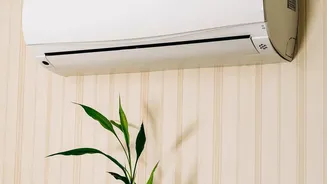
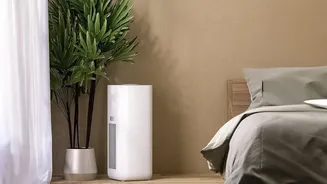
While manual ventilation is key, certain appliances can be powerful allies. A dehumidifier is specifically designed to remove excess moisture from the air and is your best weapon against persistent dampness, musty smells, and mould growth. It is more effective and energy-efficient for pure humidity control than an air conditioner. Most air conditioners also have a 'Dry Mode', which is a great option for when the room is both warm and sticky, as it removes humidity without over-cooling the space. Air purifiers can also play a role by trapping airborne particles like mould spores, dust, and other allergens that are more prevalent during the monsoon. For a low-tech approach, placing open bowls of natural moisture absorbers like rock salt or baking soda in damp corners can also help.